Mochi Making Class in Kyoto Booking and What to Expect
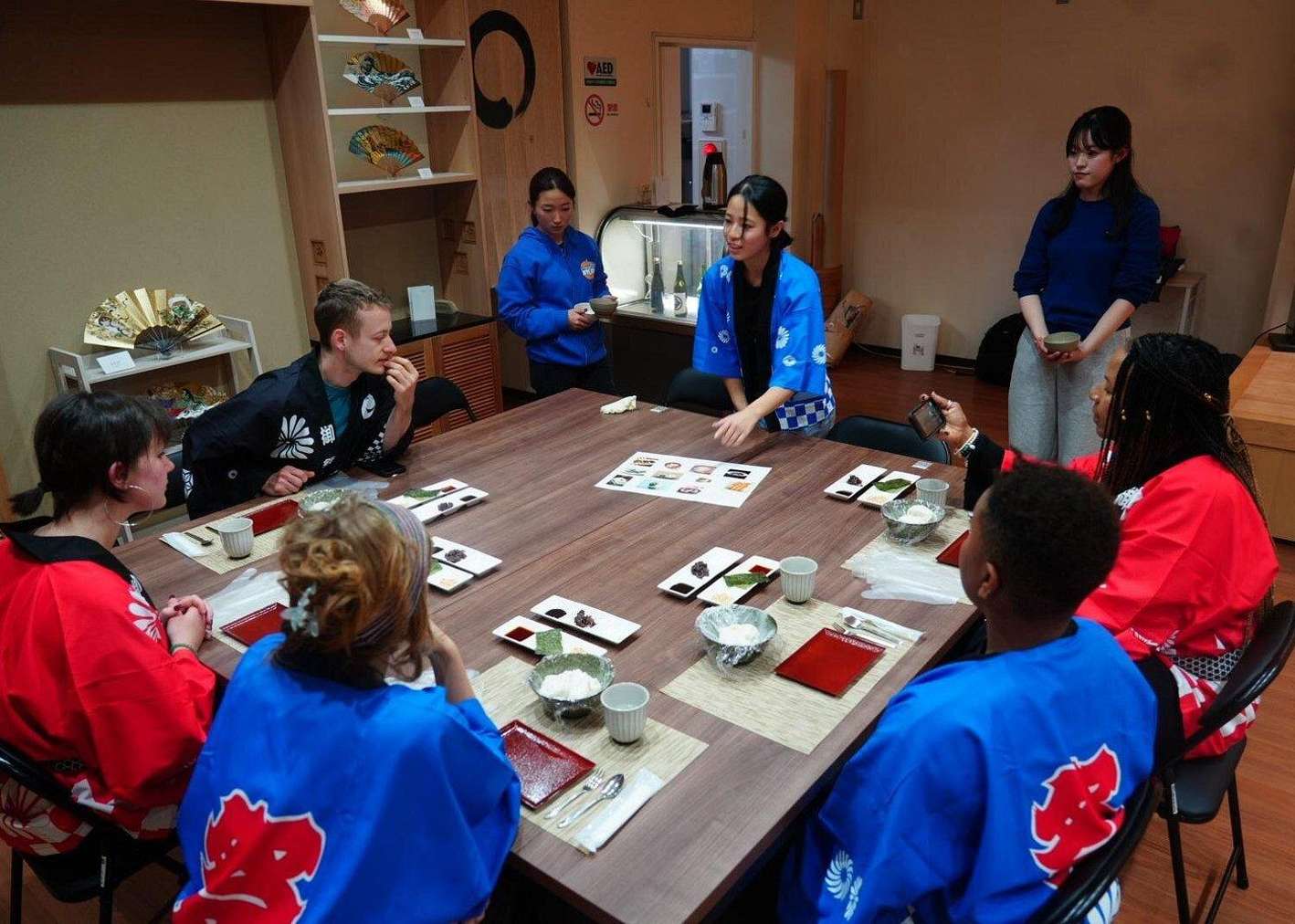
Book a mochi making class in Kyoto where you swing the wooden mallet, shape your own daifuku, and eat it warm with matcha. Small groups of eight, guided by a local home chef in English, with morning or afternoon slots that fit around temple visits.
"Made and tasted mochi last week with my husband and boys (14 and 11), tasting was my favorite part! Guides helped when the map led us astray and shared great mochi history."
4.7★average rating70traveler reviews100%free cancellation15countries travelers came from
Mochi making class in Kyoto - which one fits
A mochi making class in Kyoto comes in a few shapes: small-group sessions with a local chef, a full traditional pounding ritual with happi coats and chanting, and one that pairs the mallet with a formal tea ceremony. The deciding difference is the mix you want, guided shaping or raw pounding, plus how much cultural framing you want around it.
Minimum agesListed minimum ages vary across Kyoto mochi experiences, with some open from age 5 and others from age 13.
Wheelchair accessOne Kyoto experience is wheelchair accessible, another is not, so check your booking's access details before you reserve.
Late arrivalsArriving more than 15 minutes late at some operators can cut your time short or leave you unable to take part, with no refund.
What to wearChoose loose, washable clothes with sleeves that roll up and flat slip-on shoes, since outdoor shoes come off at the door and starch drifts onto sleeves and trousers.
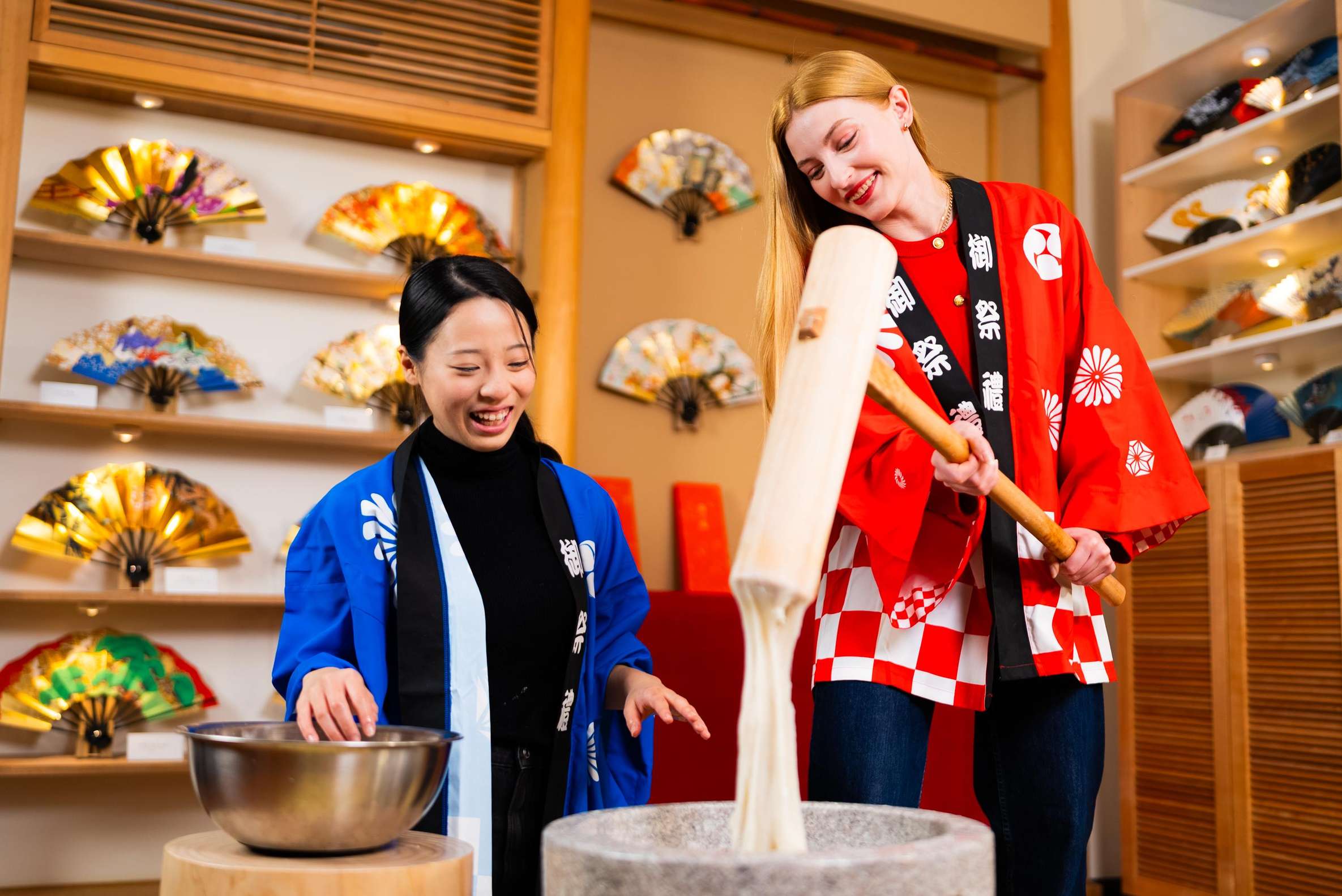
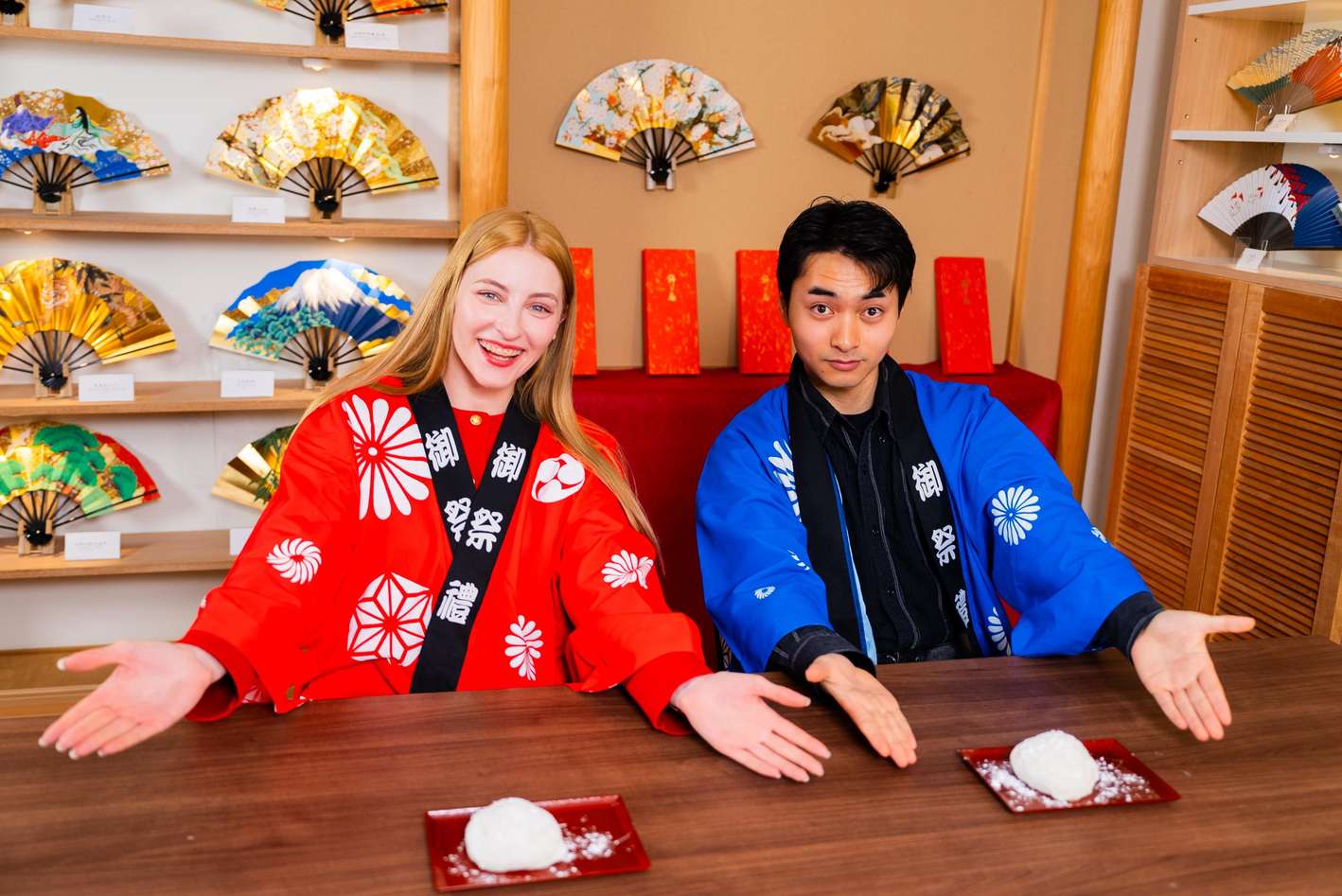
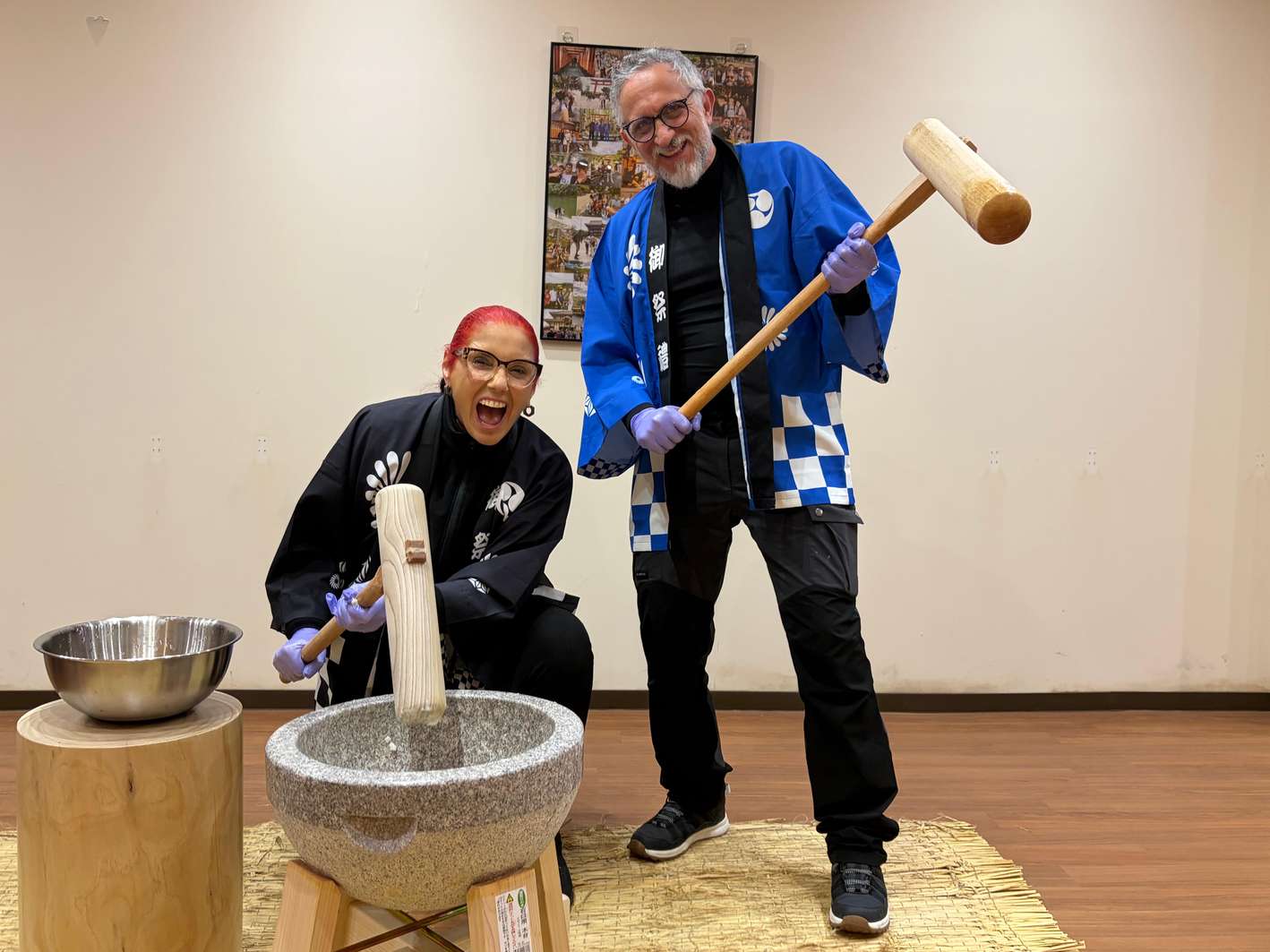
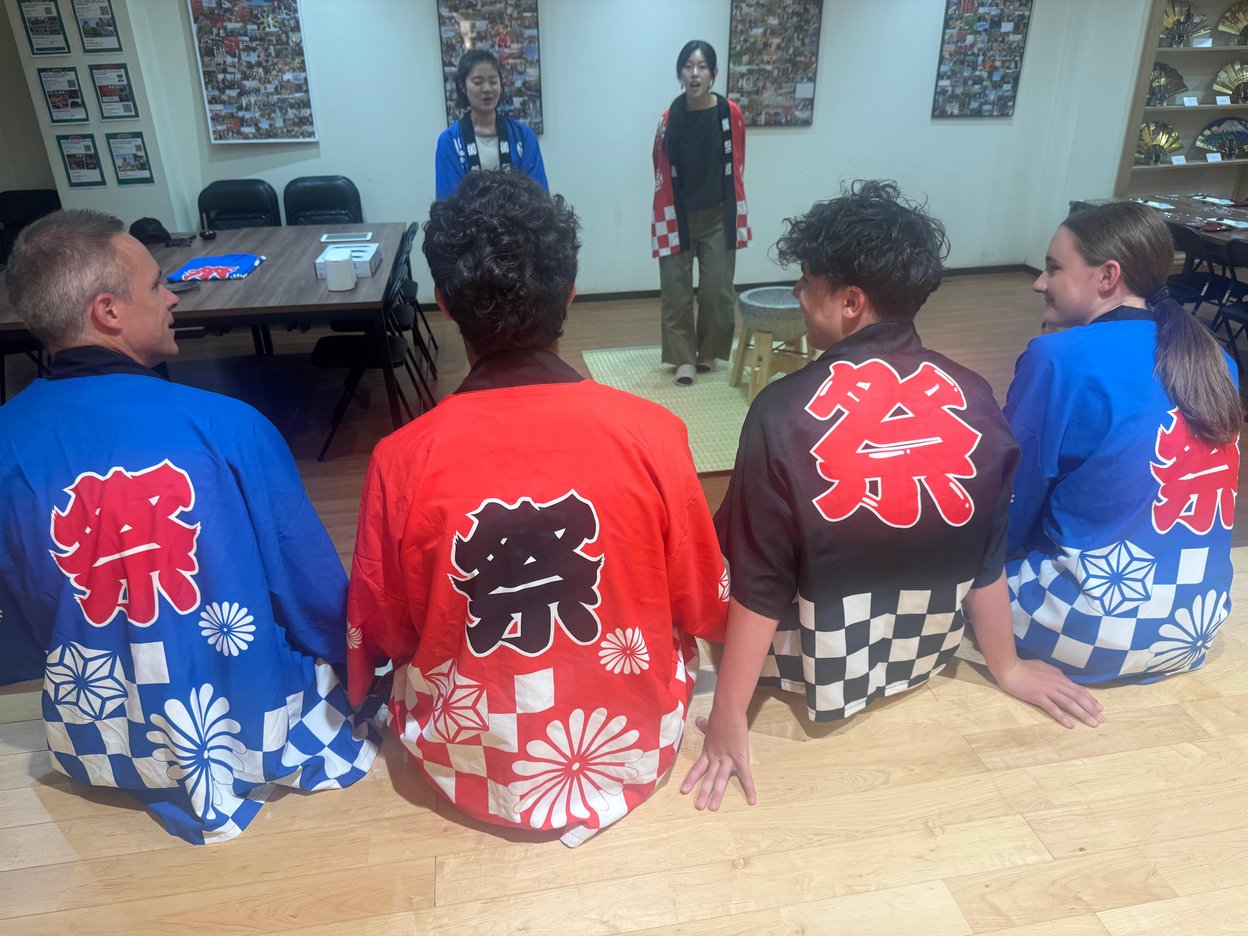
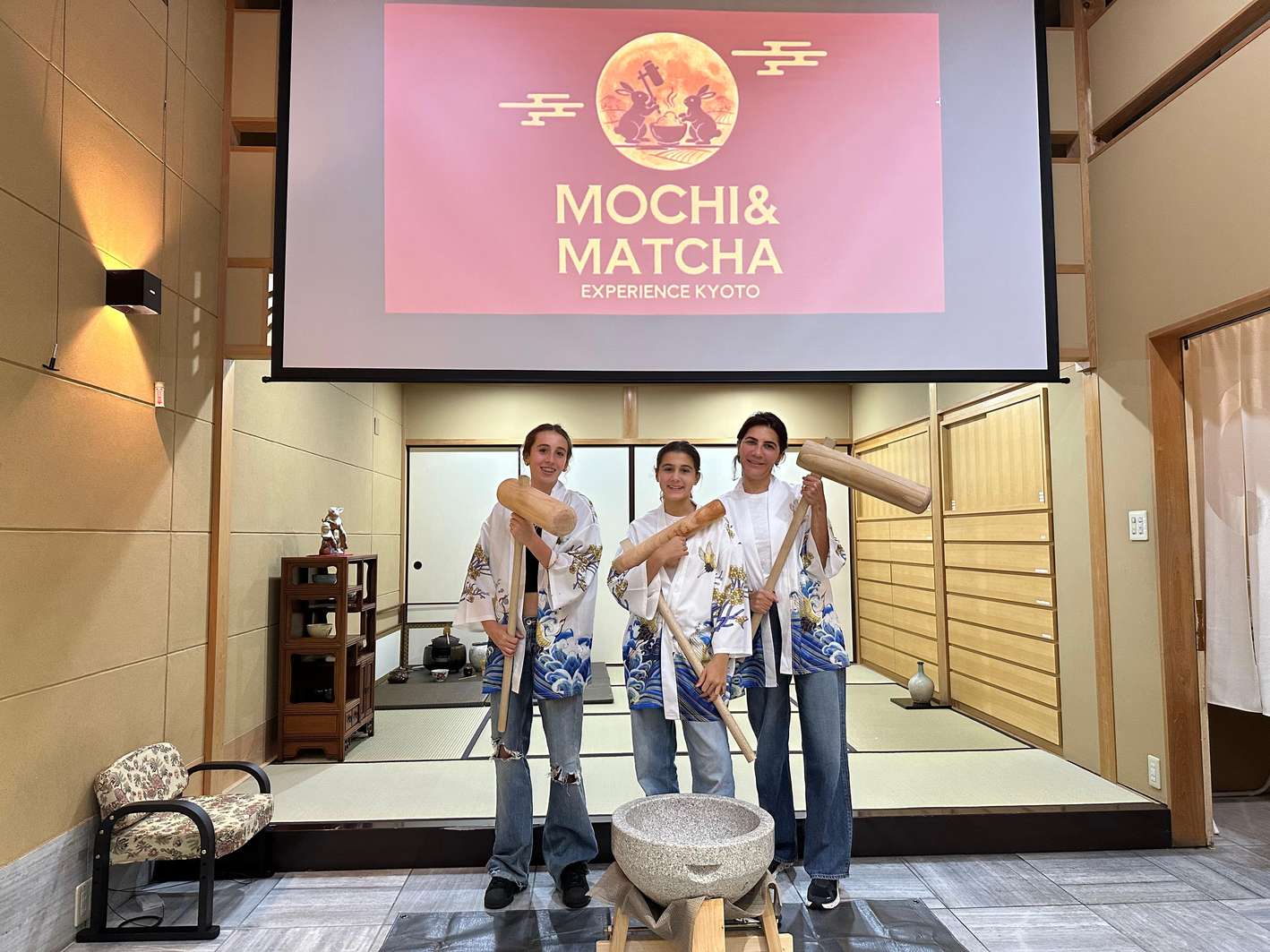
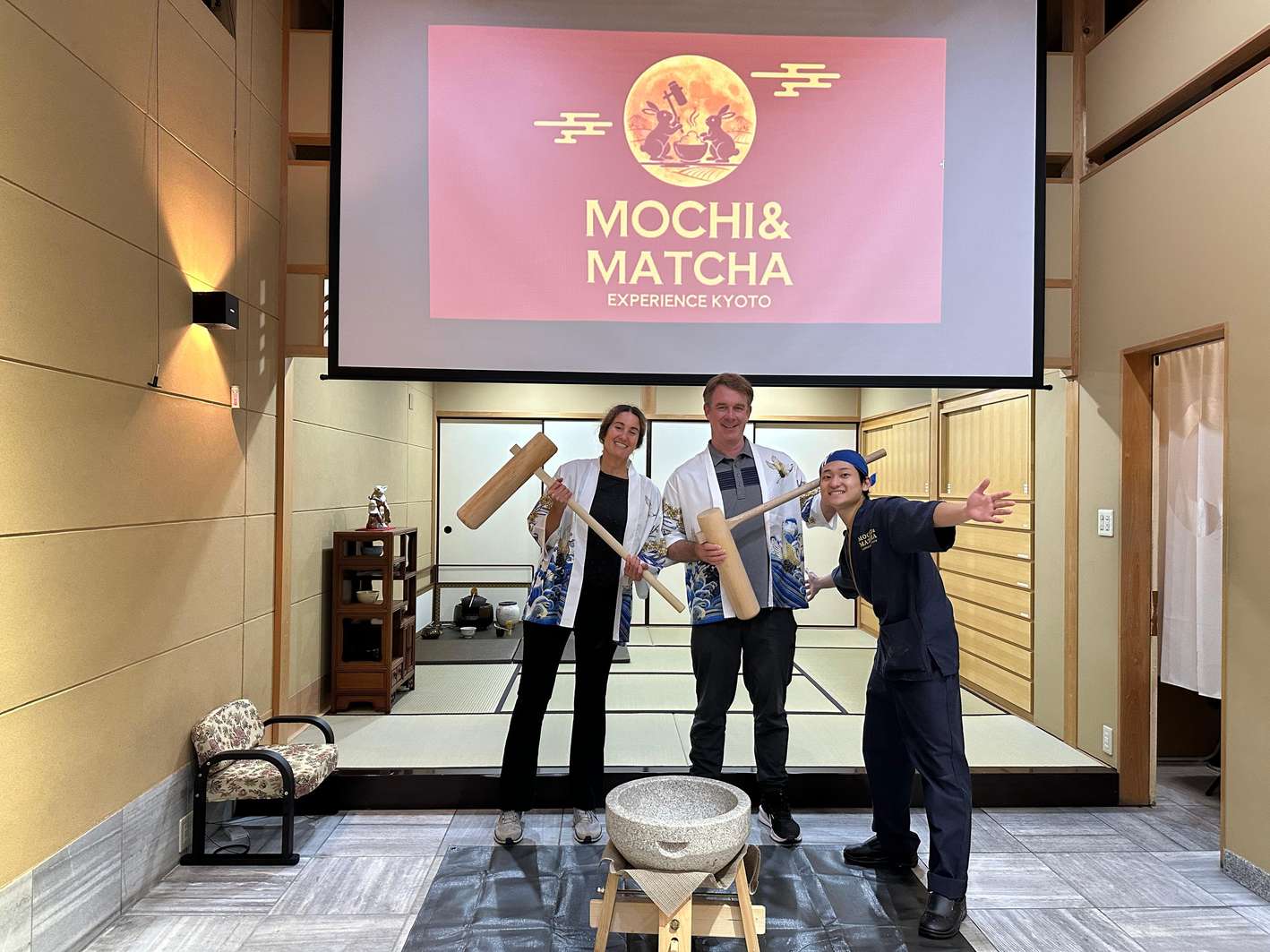
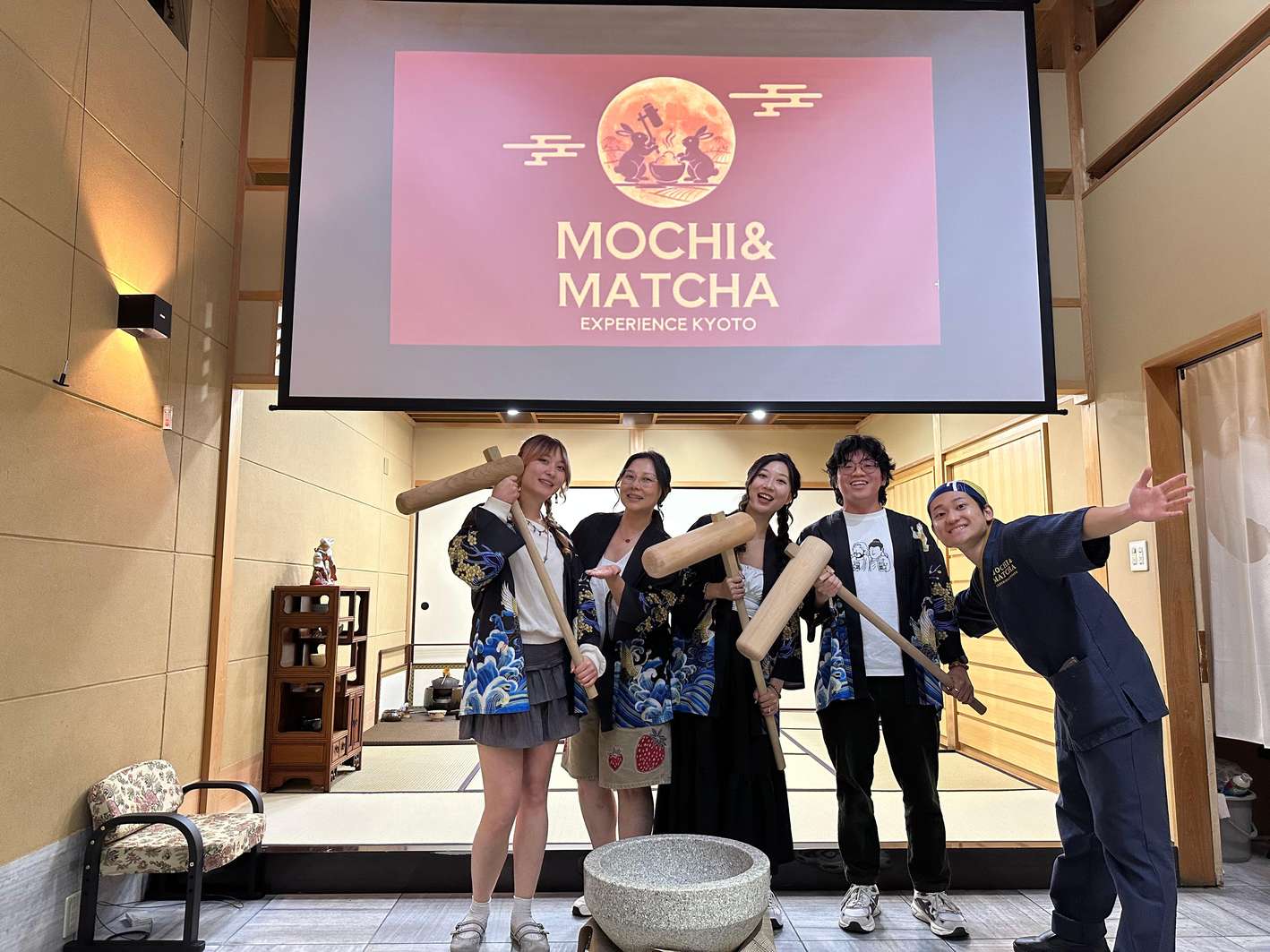
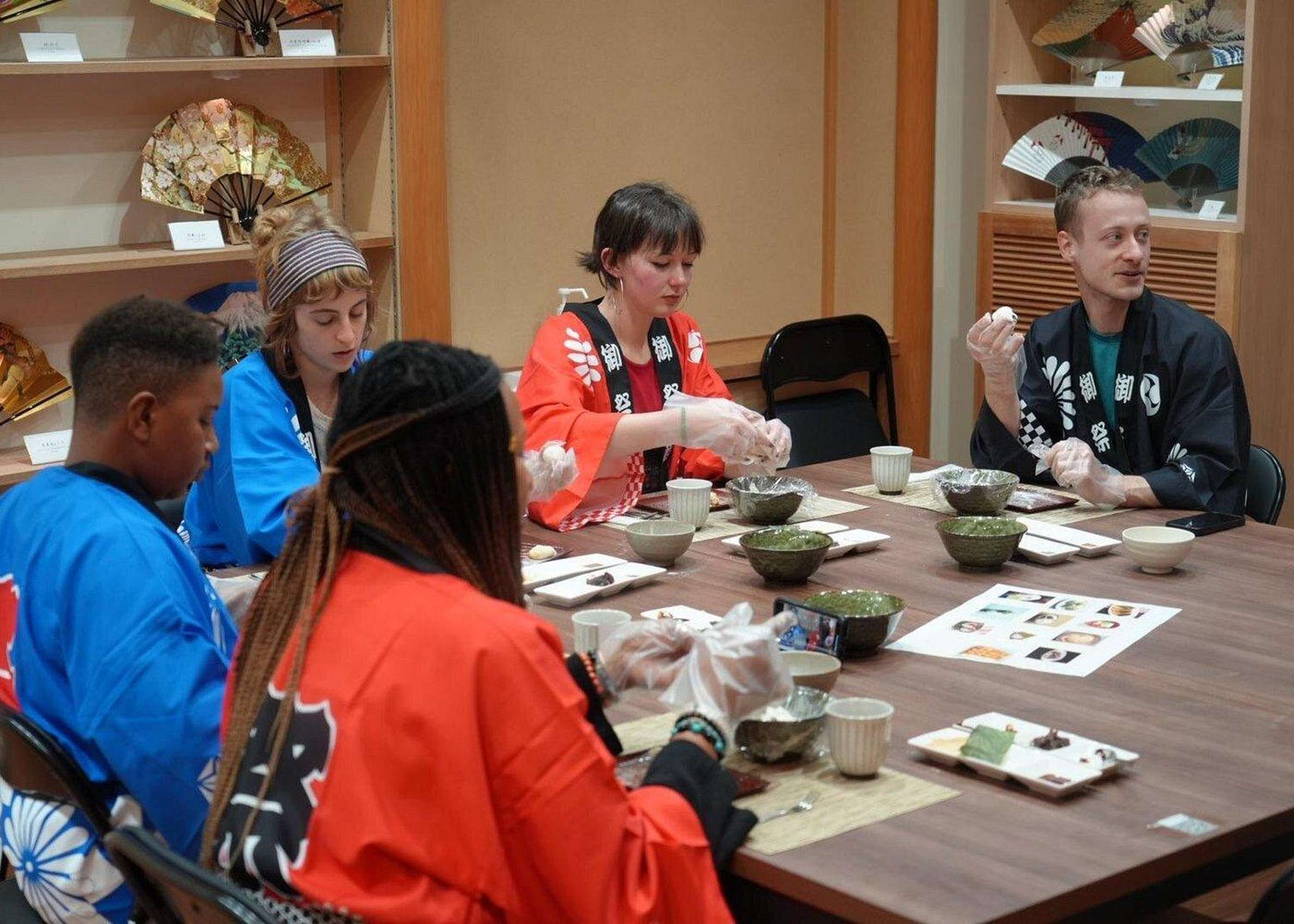
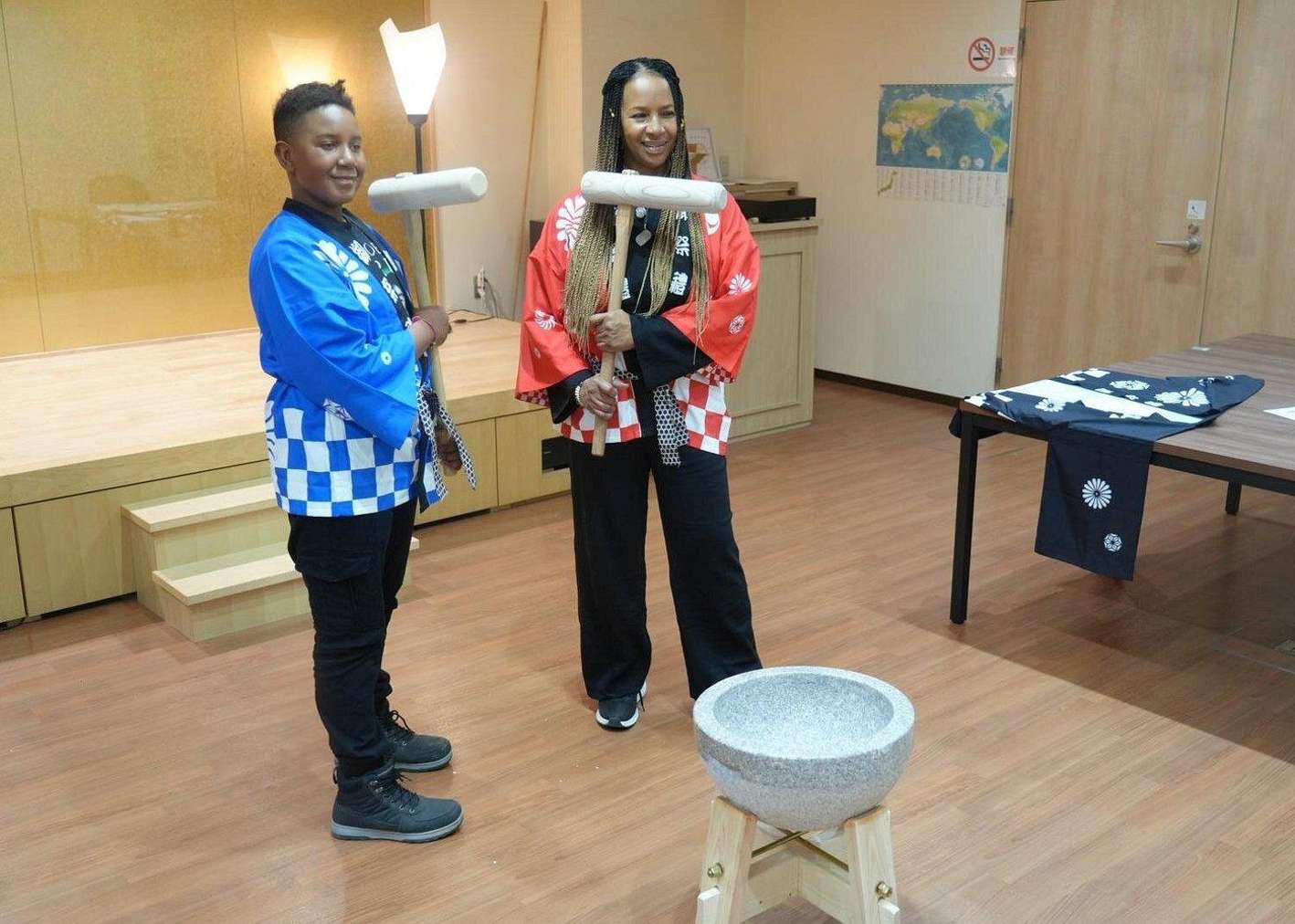
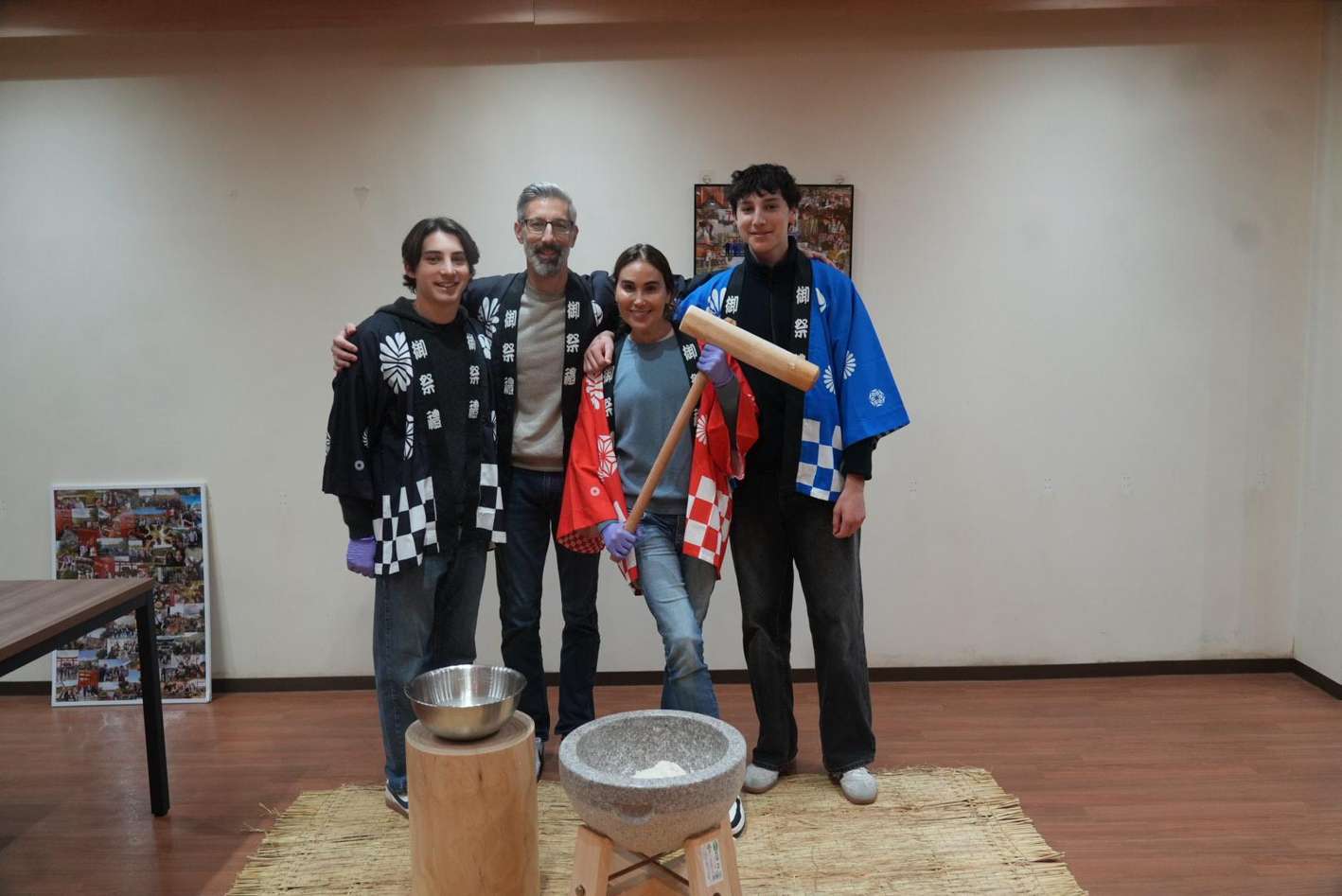
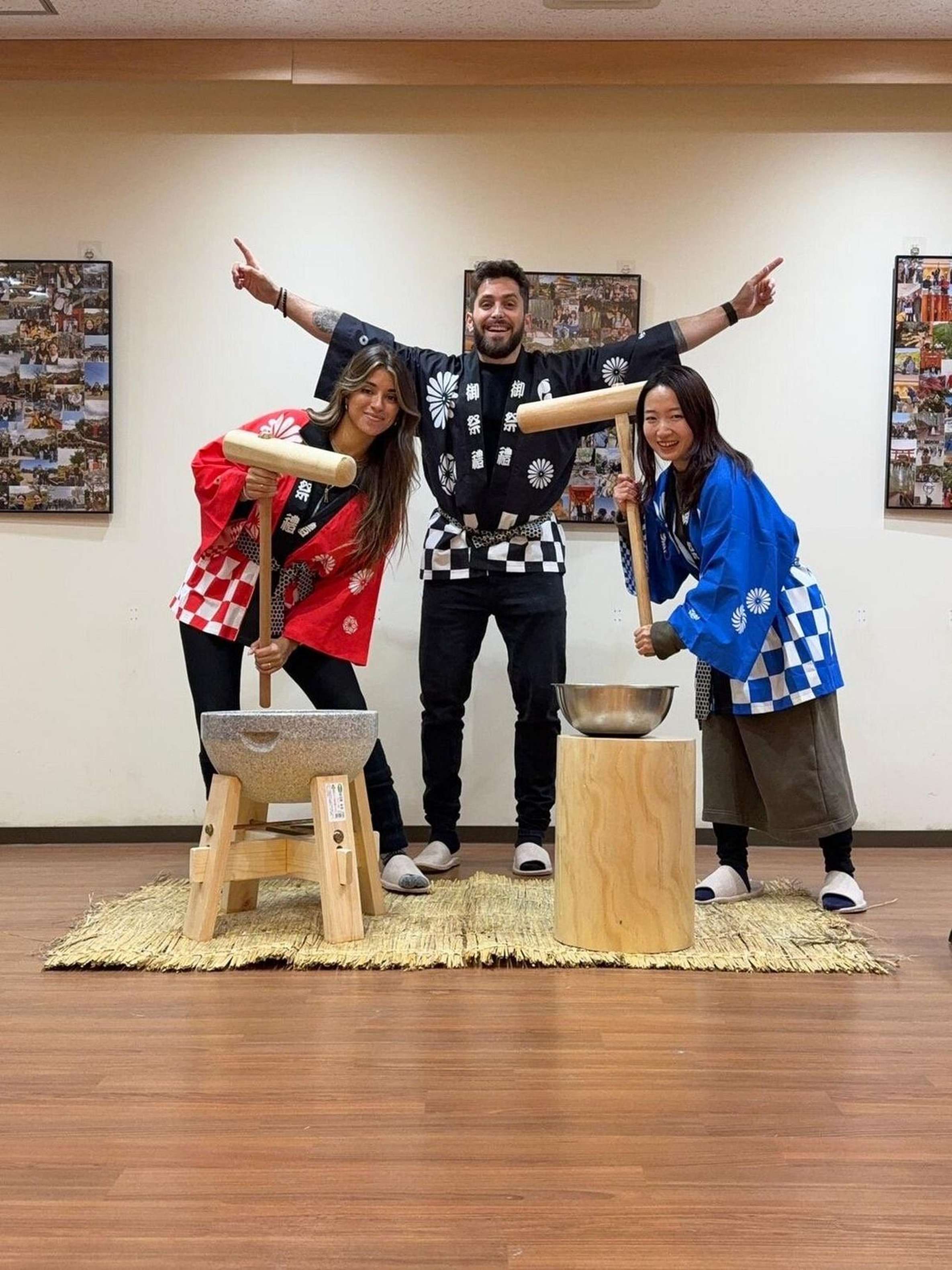
Happi coatsMost workshops provide a traditional happi coat to wear over your clothing while you pound.
EnglishKyoto mochi classes run with English-speaking staff and instruction, so you can follow along without Japanese.
Pregnancy and healthSome sessions are not suitable for pregnant women or people with back problems, so check the eligibility notes before booking.
Eating safelyCut fresh mochi into small bites, chew slowly and drink tea alongside it, because warm mochi is sticky and a choking risk.
PhotosBring your phone if you want photos of your group taking turns with the mallet, and hosts may take them for you.
TimingPlan about 75 minutes door to door, arriving 15 minutes early for a one-hour session, an easy stop between nearby temple visits.
importantMochi making classes in Kyoto set their own age and arrival rules: some accept children from age 5, others from 13, and arriving more than 15 minutes late can mean no participation and no refund.
Read the age limit on the workshop you book before bringing children, and plan to reach the venue 15 minutes early. If a delay looks likely, contact the tour operator ahead of time to ask what is still possible.
Compare every making class for mochi in Kyoto
Cheapest and most popular
1 hour·English
4.5(66)
Kyoto: Traditional Mochi Pounding Experience with Tasting
A small group of eight tops out, so a local home chef can guide you through several styles of mochi and wagashi.
Free cancellationVarious Types of MochiYoung English-Speaking Instructor
A Kyoto mochi making class with a local home chef runs about an hour in a group of eight or fewer.
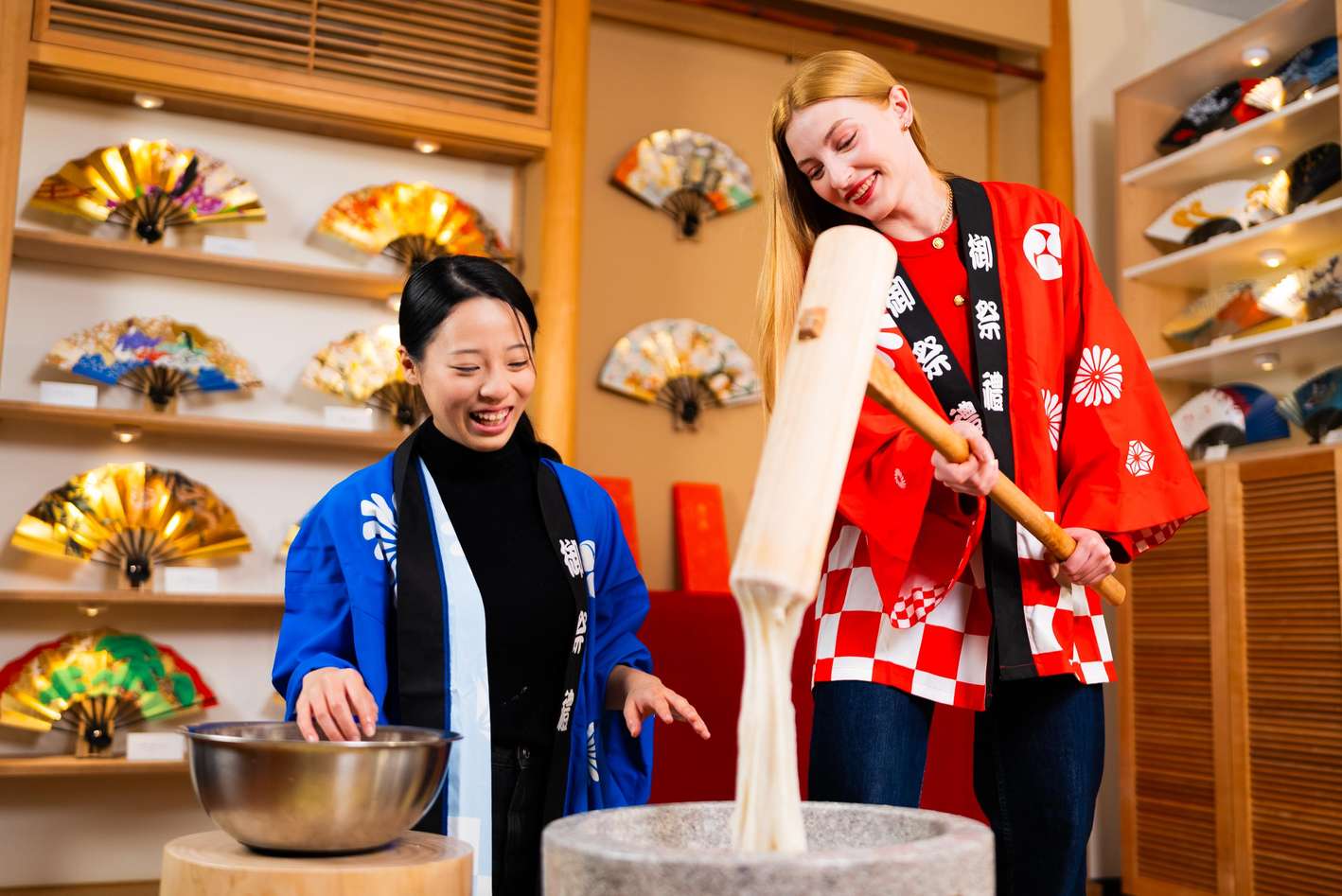
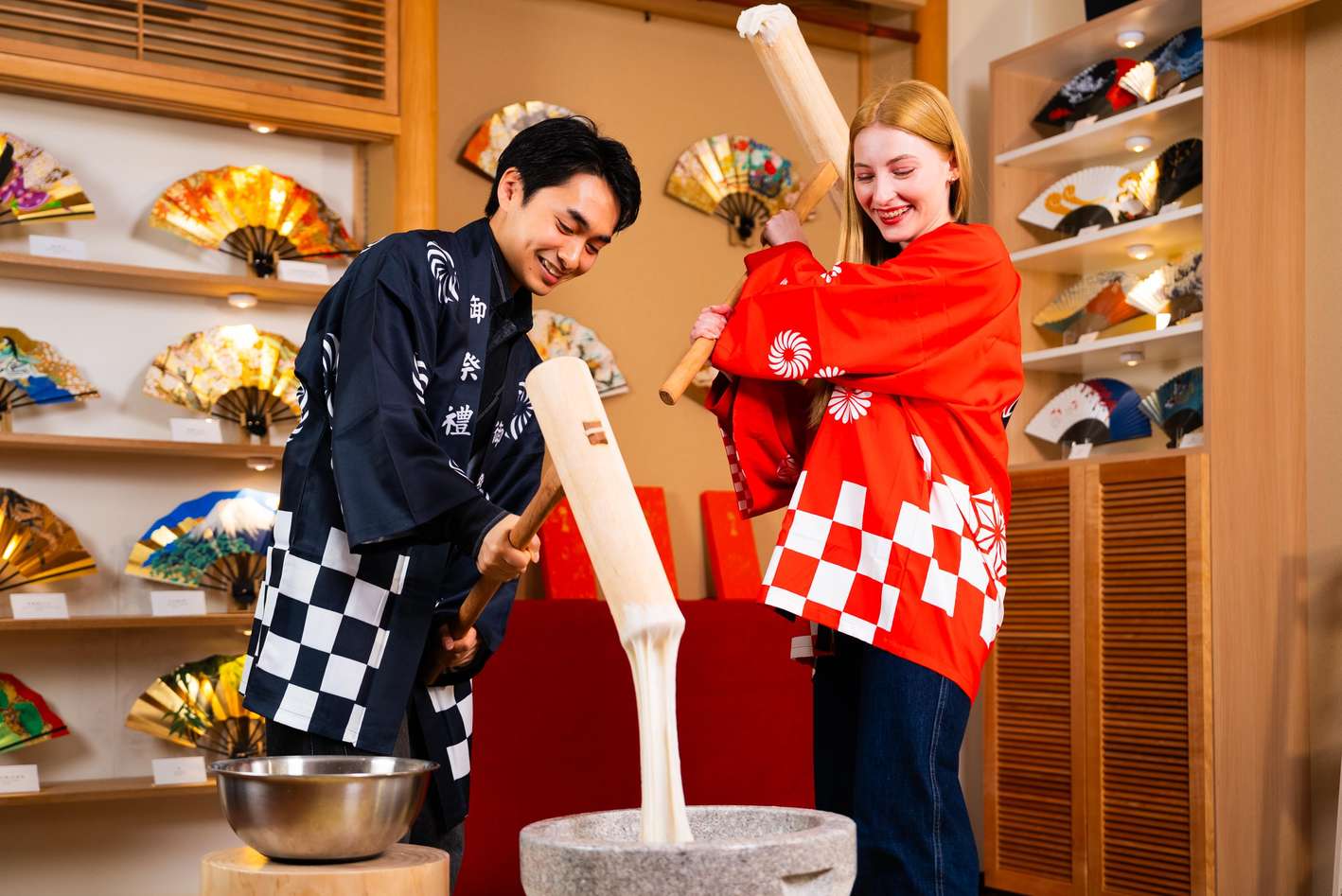
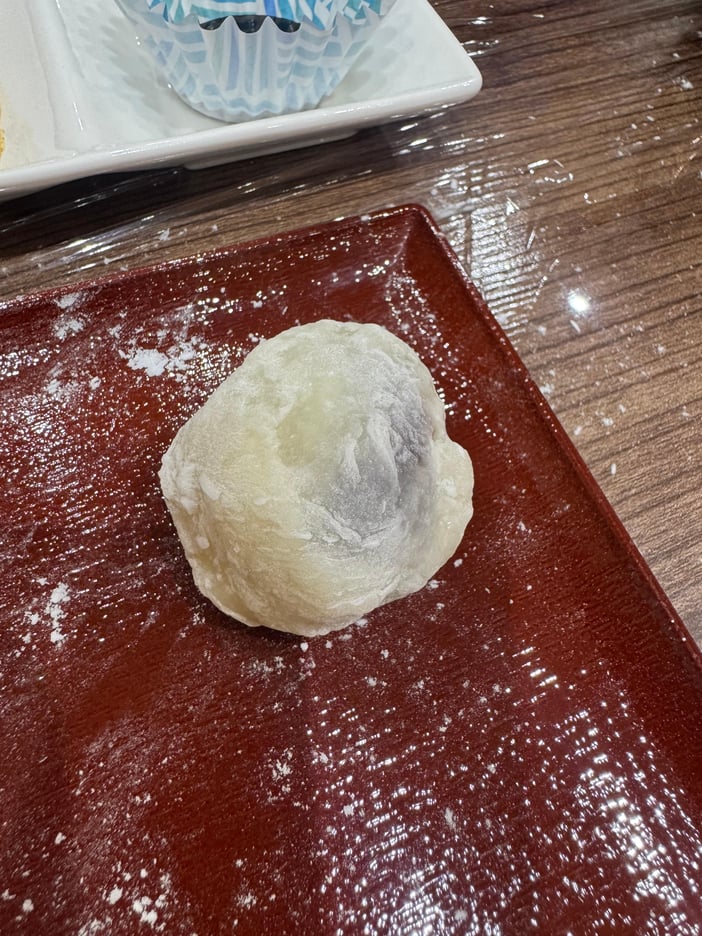
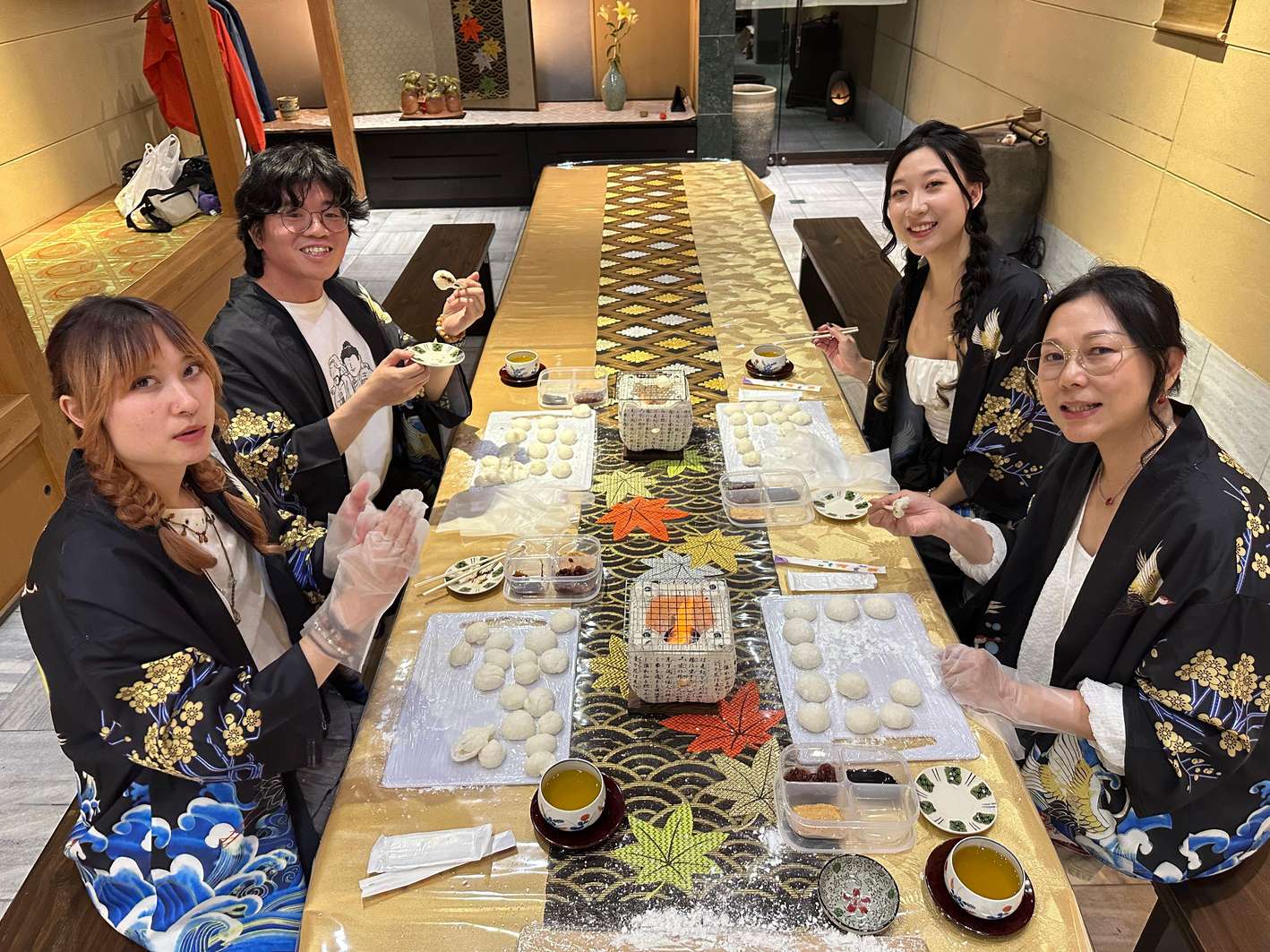
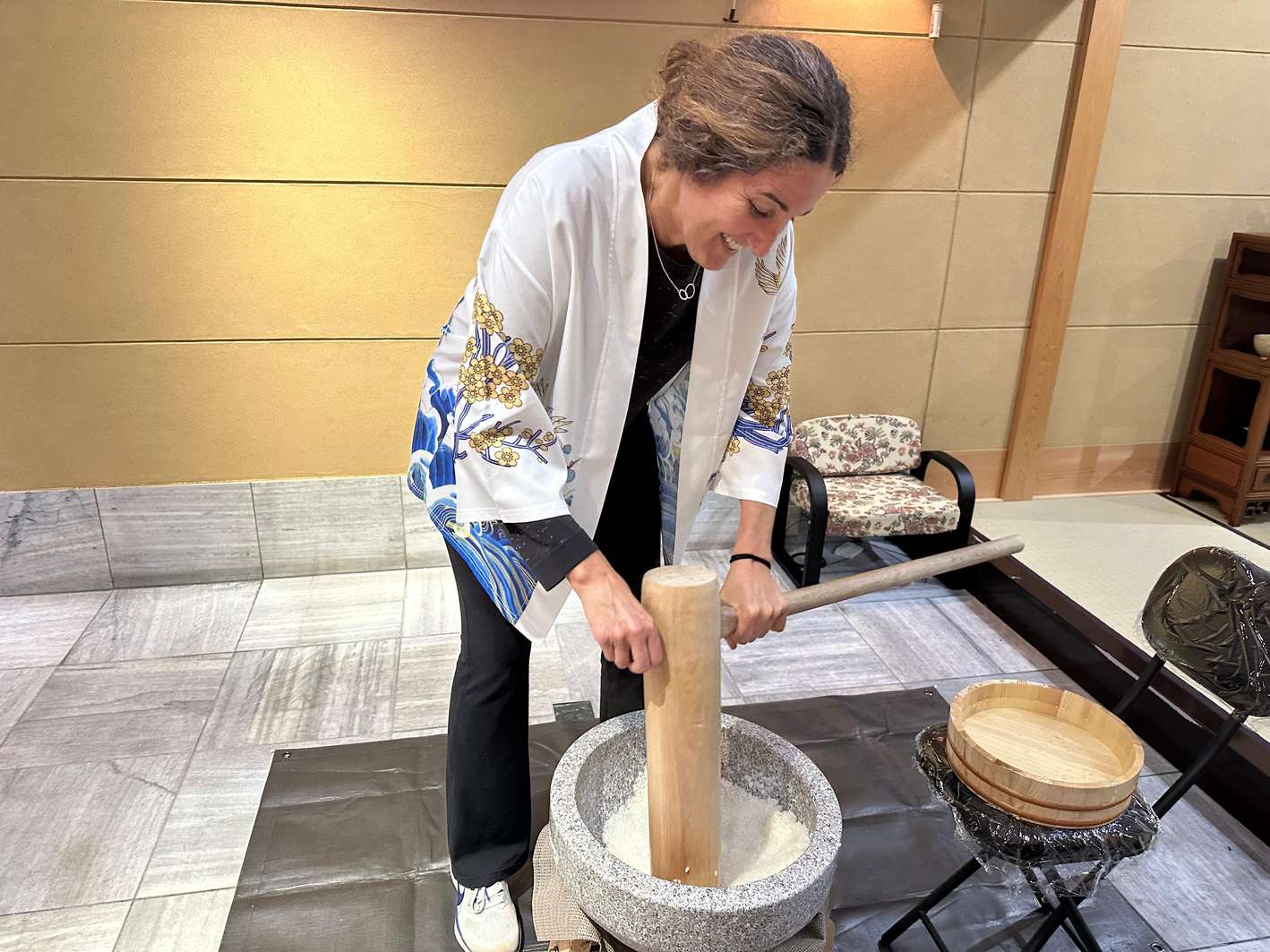
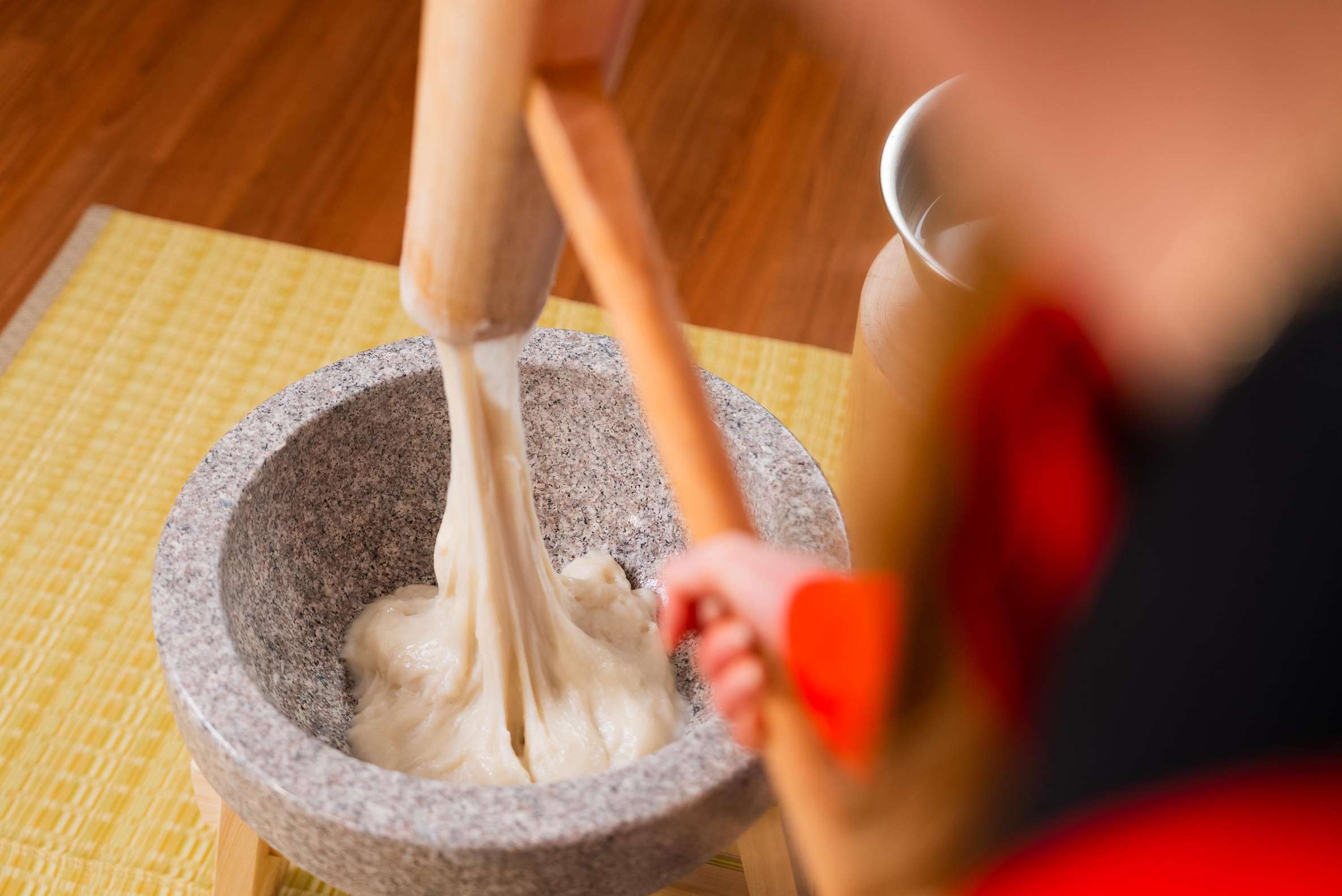
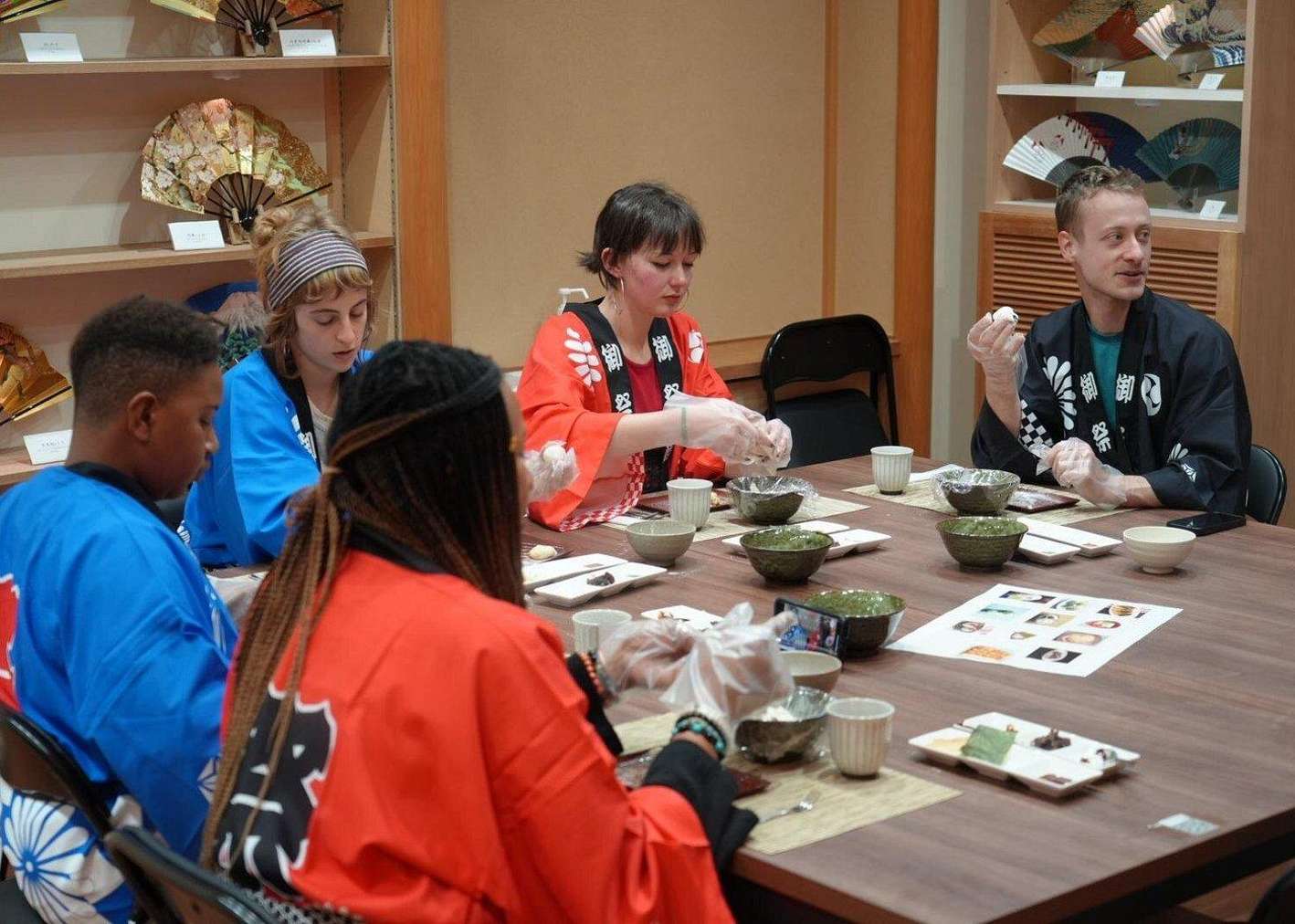
You pound steamed glutinous rice in a traditional mortar with a wooden mallet, shape the dough, and fill several styles of mochi and wagashi, from red bean mochi to mitarashi dango, the grilled skewers with sweet soy glaze, and mochi ice cream.
The instructor works in English and guides each step, so no cooking experience is needed. Morning and afternoon sessions let you slot the class between temples. It ends seated, with a cup of matcha and the mochi you made yourself. The moments below walk through the hour in order.
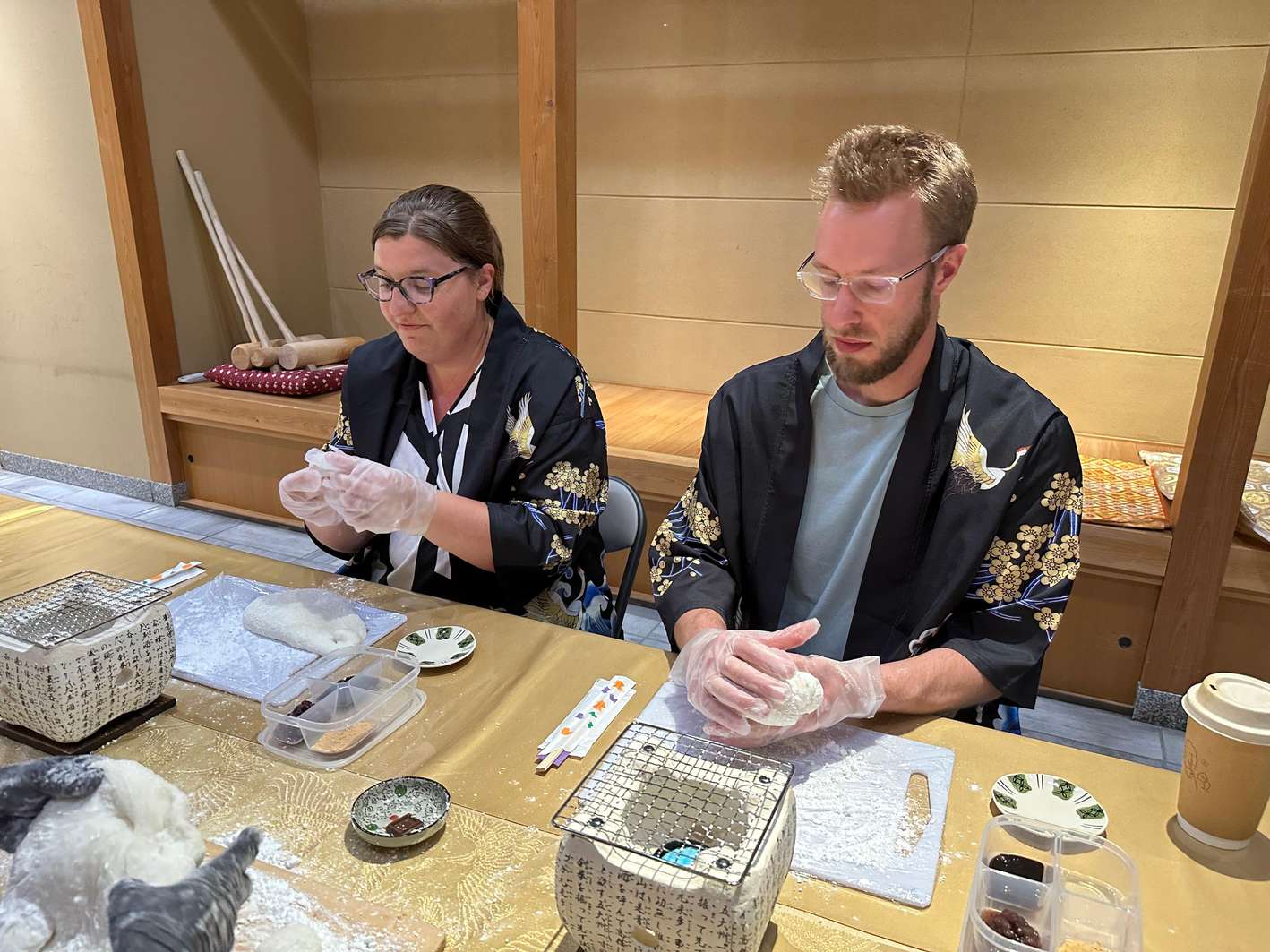
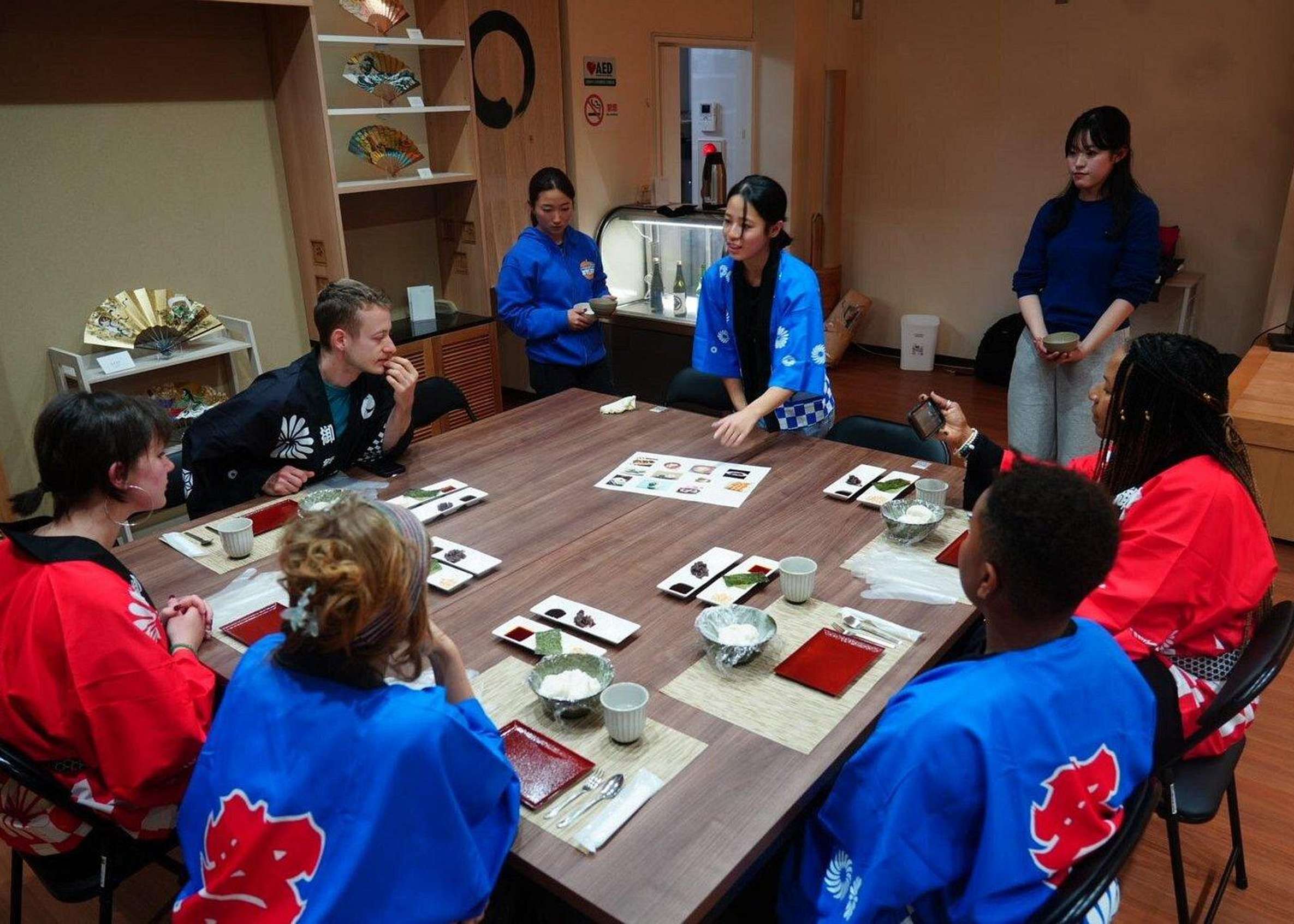
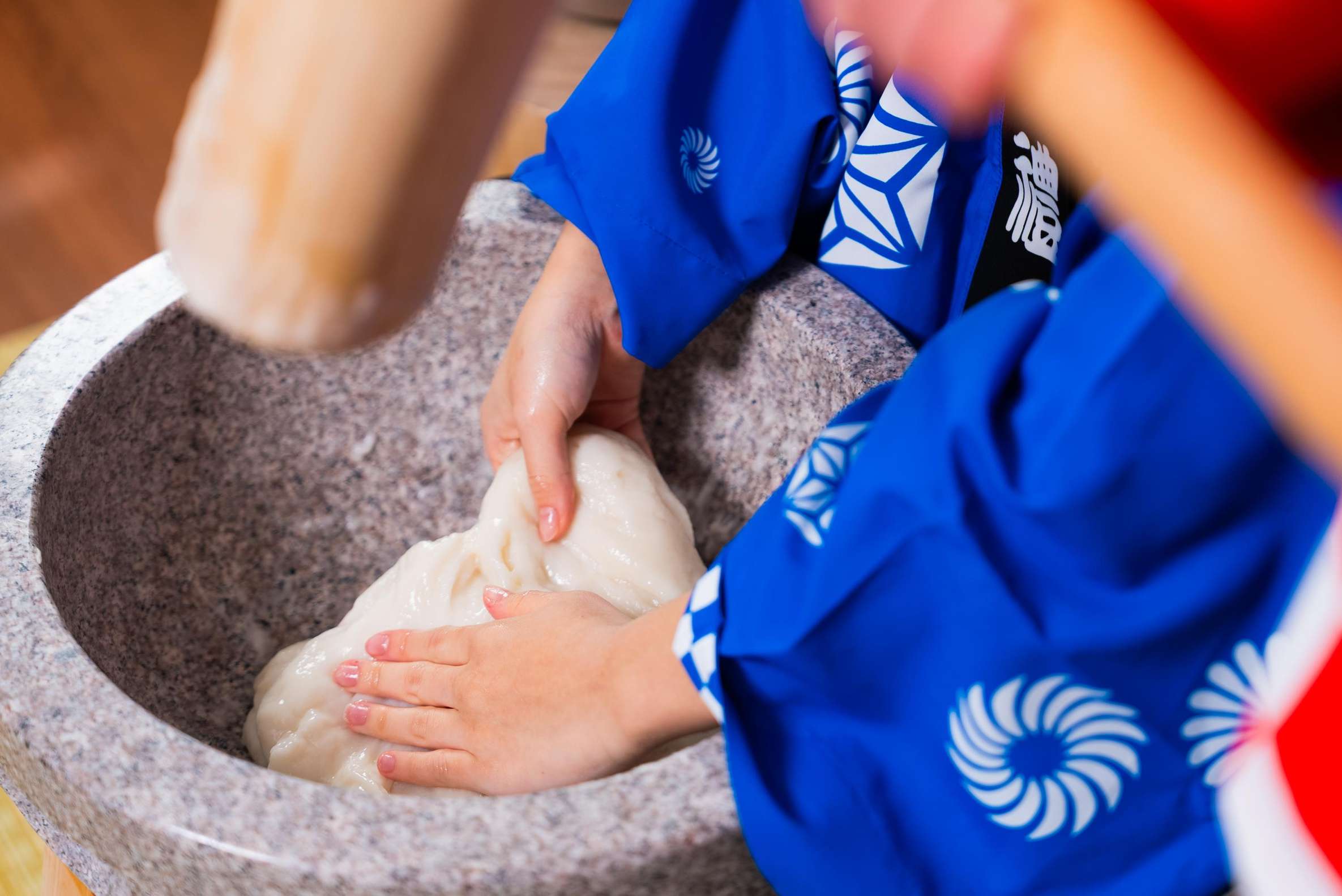
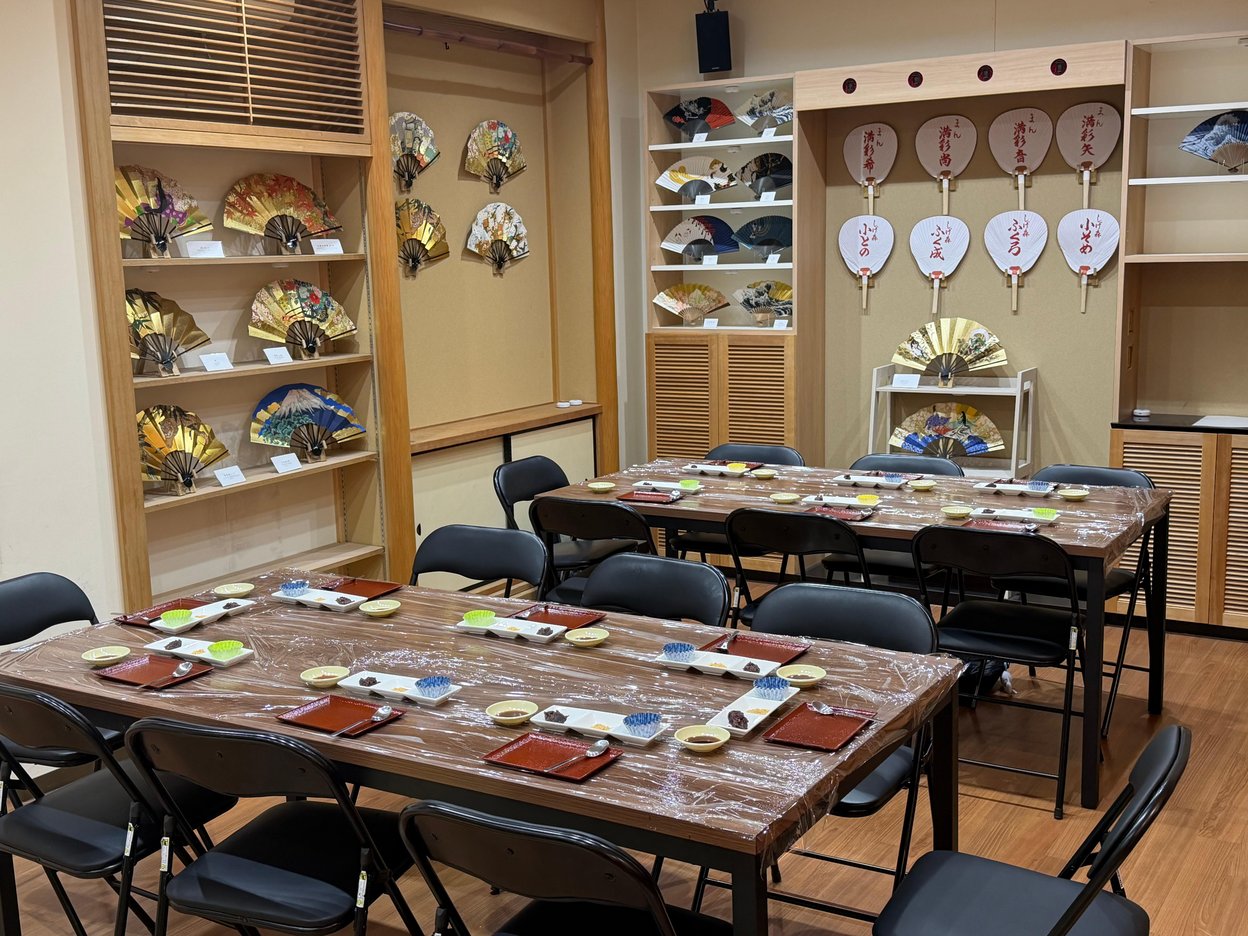
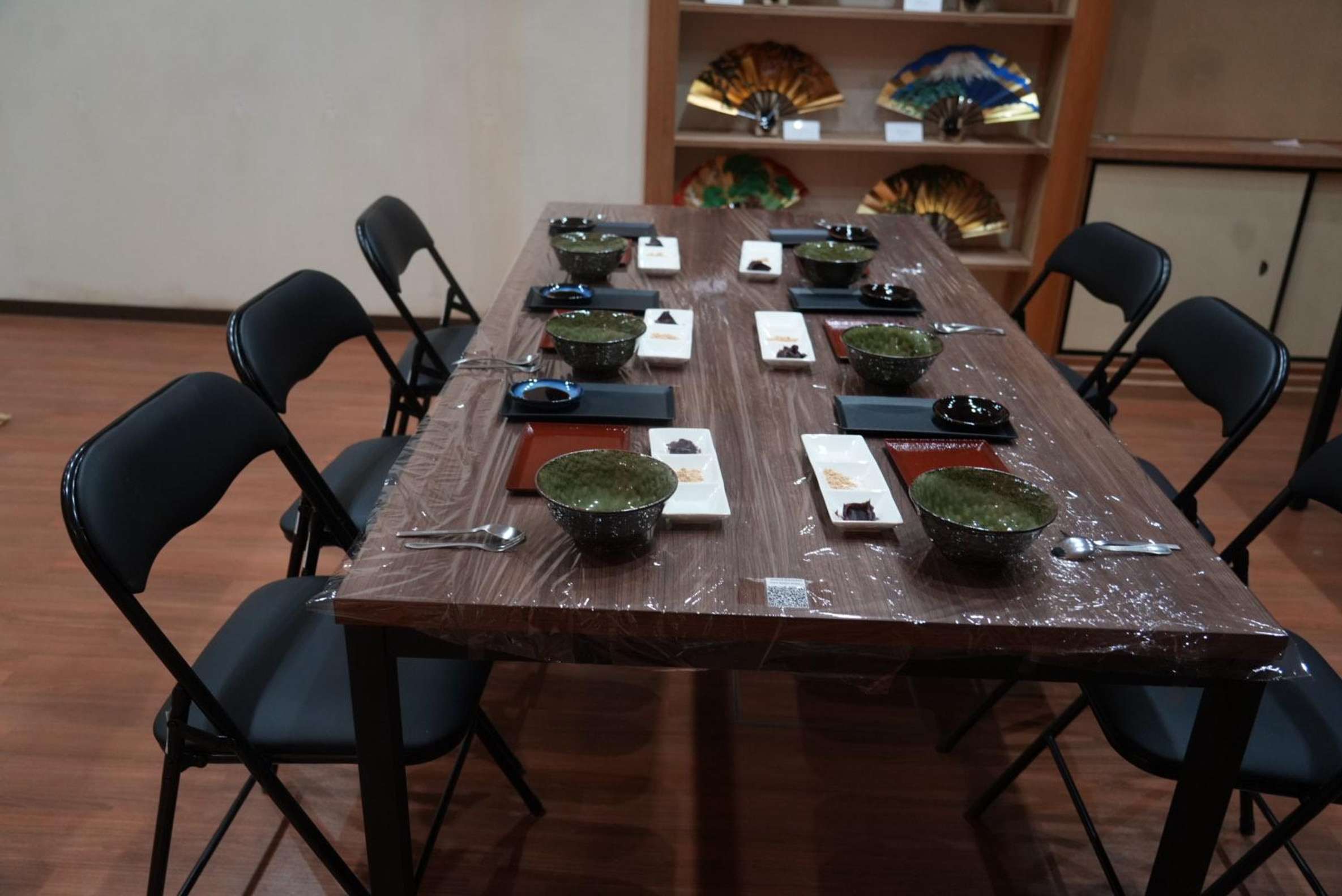
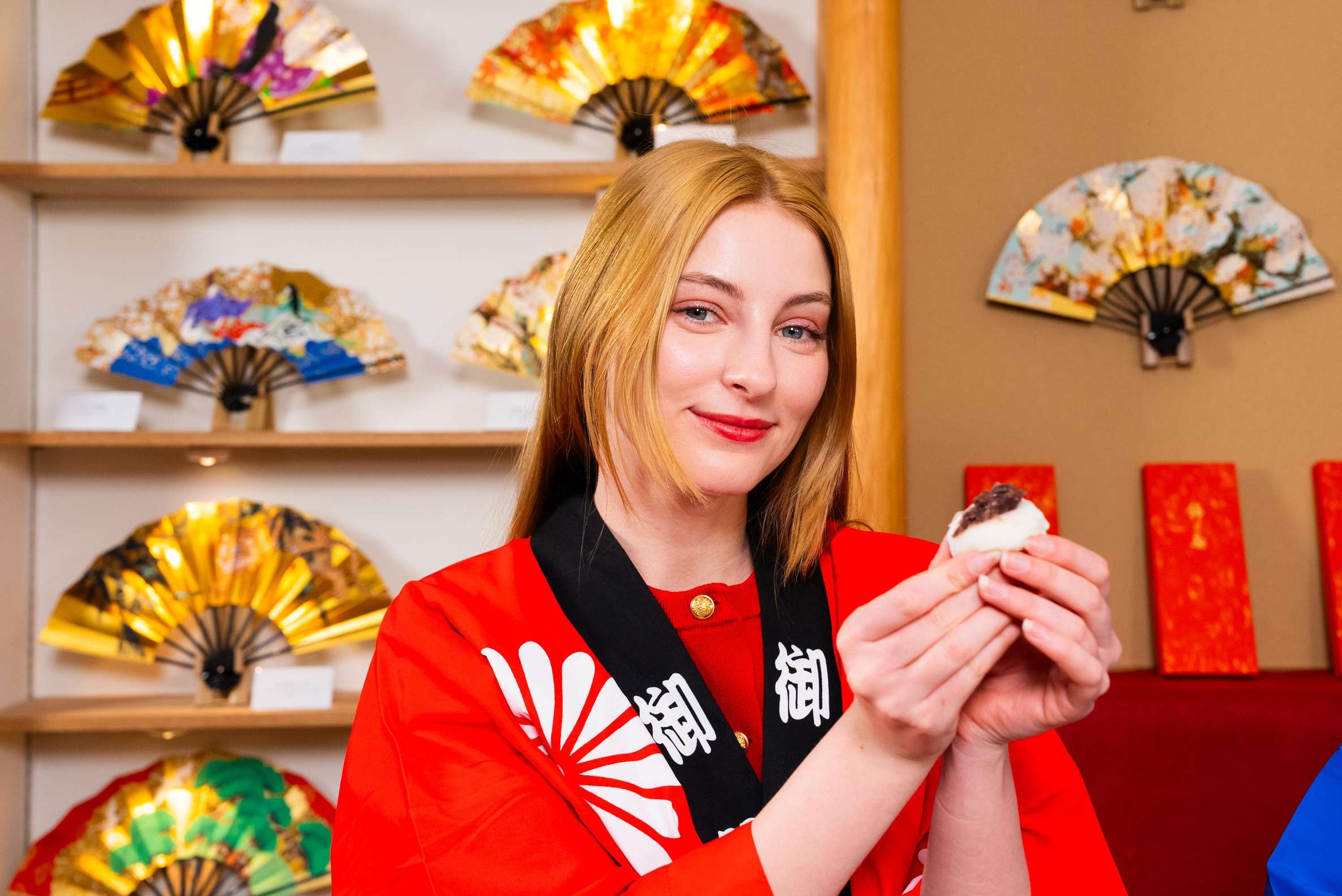
1Meet your small group· about 10 minYou join a class of no more than eight participants led by a young English-speaking instructor, a local home chef. Morning or afternoon slots are available.2Pound the rice· about 15 minYou take the wooden kine mallet and strike steamed glutinous rice in the mortar, working it from grain into smooth, stretchy dough. The instructor shows each step first.3Shape and fill· about 20 minYou form several styles yourself: red bean mochi, mochi ice cream, mitarashi dango on skewers, and candy-style wagashi. Dusting your hands with starch keeps the sticky dough manageable.4Taste with matcha· about 15 minYou sit down with a cup of traditional matcha tea and eat your handmade mochi. Travelers say the tasting can be generous, with plenty of toppings to try.
Included
Various Types of MochiYoung English-Speaking InstructorDrinks to go with your Mochi
Which Kyoto mochi making class fits your day
Green marks the lowest price. Each price says whether it is per person or per group.
Tour
Price
Duration
Best for
Our pick
Kyoto: Traditional Mochi Pounding Experience with Tasting
4.5★ (66)
from $44lowest price
1 hour
travelers who want several flavors of mochi in a small group with a local chef
Most reviewers praise the friendly, fluent English-speaking instructors who guide every pounding step.
Best surprise
Many families loved discovering mochi varieties far beyond the ice cream type they knew back home.
Most common wish
Several reviewers wished the generous tasting could last longer; the warm mochi disappeared fast.
How to book a making class for pounding mochi in Kyoto
01
Pick your date and slot
Choose a day that keeps your afternoon or evening free, since most sessions run about an hour and you will want a little travel time on either side. One class offers morning and afternoon slots, so match the session to your temple plans.
Pro tipCheck where the venue sits before you fix the day. One session runs near the foot of Nijō Castle, so pairing it with the castle visit saves you a crossing of town.
RecommendedLate afternoons tend to stay quieter at the popular slots, and one operator runs a dedicated evening session with a tea ceremony.
02
Choose the right option
Compare session lengths before you pay: standalone pounding classes run about an hour, the tea ceremony combination takes 90 minutes, and one workshop lasts two hours. Solo travelers are welcome at the mochi and matcha session in Kyoto, so you can book alone without a companion.
Pro tipIf you want both pounding and a formal tea ceremony, book the combined 90-minute session as one booking and skip hunting for a separate ceremony afterward.
Common mistakeFirst-timers often assume a minimum of two people. Several Kyoto sessions accept a single guest.
03
Pay and read the cancellation
All four Kyoto classes on this page let you cancel up to 24 hours in advance for a full refund, so a schedule change the day before costs you nothing. Confirmation arrives through the booking platform, and the operator sends meeting details with it.
ImportantThat 24-hour window is the only free cancellation you get, so do not book a slot you are still unsure about on the same day.
04
Check the meeting point
None of these classes includes hotel pickup, so plan to reach the venue yourself. Your voucher shows the exact address, and the tea ceremony venue is listed near Nijō Castle while another workshop sits on Kiyamachi close to Honnō-ji and Nishiki Tenmangū.
Common mistakePeople assume the instructor collects them from their hotel. These workshops all meet at the venue, so leave time for the subway or a short taxi ride.
Pro tipThe Kiyamachi workshop pairs easily with Honnō-ji or the Museum of Kyoto, both within walking distance.
05
Arrive early on the day
Plan to show up about 15 minutes before the start, since one operator may turn away guests who arrive more than a quarter hour late or cut their session short, and late arrivals at some Kyoto venues forfeit the fee. Wear flat, closed-toe slip-on shoes, because you remove them at the entrance, and expect a happi coat over your clothes.
ImportantSolo visitors and families with small children should note that listed minimum ages vary between sessions, from around five up to thirteen, so check the age rule before booking for a child.
Pro tipBring your phone. Hosts are usually glad to film your group taking turns with the mallet, and one operator sends photos and videos by email afterward at no charge.
What to know before booking a making class for mochi in Kyoto
Can stop the dayGood to knowGood news
01
ChoosingWhat it is, who it suits, when to go
6
English
Every Kyoto session here runs with English-speaking instructors, and one operator gives each guest step-by-step guidance in English. You can follow the whole class without any Japanese, from the first explanation to the final shape.
Group size
The classes are small. One workshop caps the group at eight participants, and travelers say the smaller classes feel intimate and give instructors more time with each person.
Fitness
No strength test awaits you. One Kyoto experience is wheelchair accessible, stroller accessible and near public transport, and most travelers can take part. The pounding is energetic but doable.
Toppings
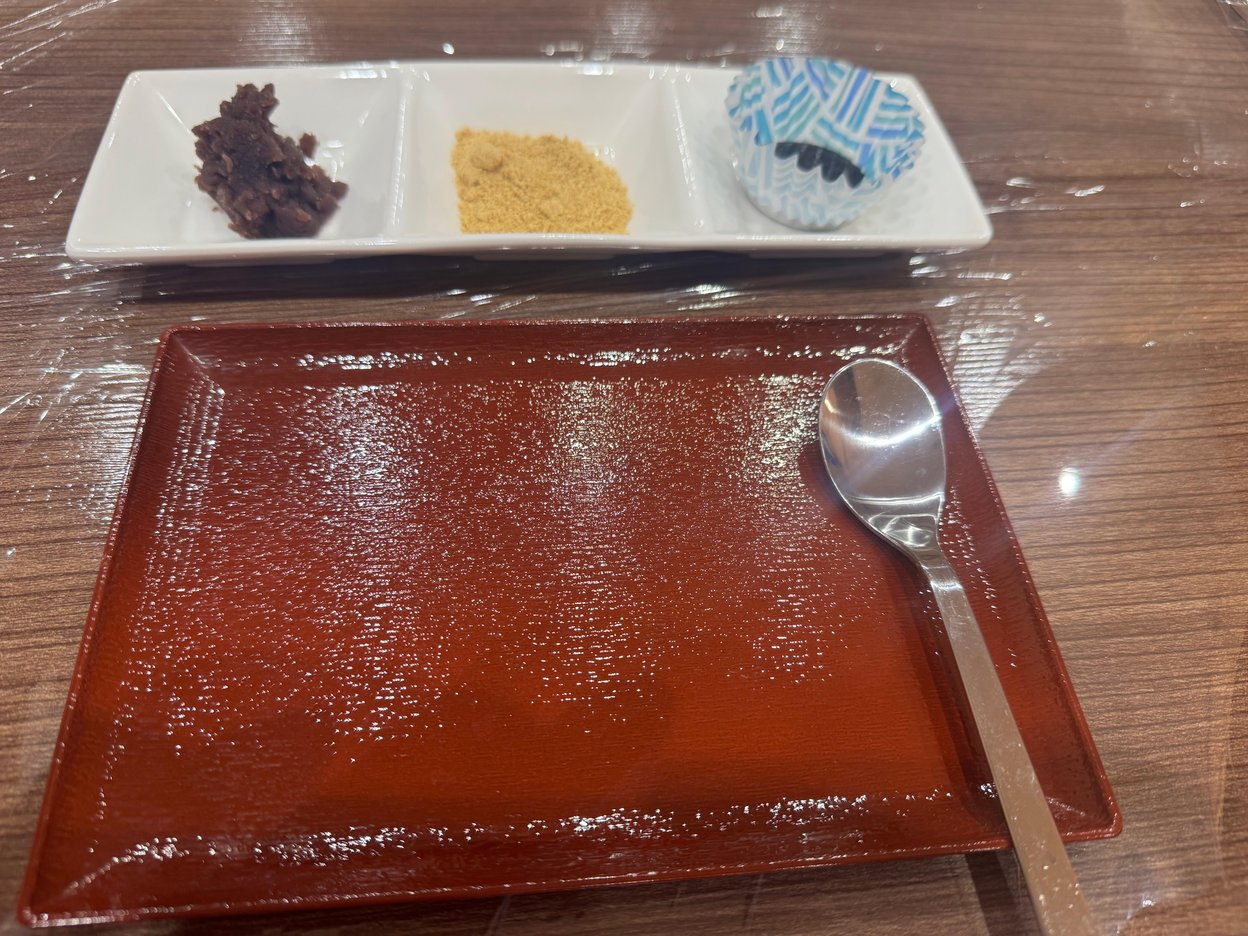
Expect a spread. Kinako roasted soybean powder and anko sweet red bean paste are standard, and one class adds chocolate and honey, plus grilling fresh mochi over charcoal. Come hungry, because the tasting can be generous.
Shaping
The dough is hot and sticky, and instructors show you how to handle it: wet your hands well or dust them with starch, and use chopsticks or tongs to place the filling. A pinch-and-twist cut beats pulling the dough, which opens fresh sticky surfaces.
Appetite
The tasting is a snack between meals, a light spread of warm mochi and toppings. Plan a proper lunch or dinner elsewhere, or book a morning class and build the meal around it.
02
BookingHow far ahead, and what happens if plans change
1
Cancellation
All four Kyoto classes listed here let you cancel up to 24 hours in advance for a full refund, so you can lock in a time slot early and adjust later if your temple plans shift.
03
Before you goPapers, health, what to bring
2
Clothing
Wear loose, washable clothes with sleeves that roll up, and flat, closed-toe slip-on shoes with clean, dark socks. You take your shoes off at traditional entryways, and workshops hand out a happi coat over your clothes. Starch still drifts onto sleeves and trousers, so skip anything delicate or dry-clean-only.
Health limitsCan stop the day
Some sessions are not suitable for pregnant women, people with back problems, or people with heart problems. Check the details of the class you want before you book, and contact the tour operator if a condition could affect your participation.
04
On the dayWhere to be, when, and how you get there
2
Arrival timeCan stop the day
Arrive about 15 minutes before the start. Arriving late at one operator can mean reduced time or no participation at all, with no refund. Give yourself slack on busy sightseeing days.
Leftovers
Eat what you make on the day. Fresh mochi starts hardening within hours at room temperature, and a hotel refrigerator speeds that up, so leftovers will not stay soft unless you reheat them by grilling, boiling or microwaving.
05
During the tourWhat is expected of you
1
Photos
Bring your phone for photos or videos of your group taking turns with the mallet, and hosts are often happy to shoot them for you. One operator has dedicated staff capture photos and videos throughout and emails them afterwards at no extra cost.
Mochi making in Kyoto - the class, the hour, the booking
A Kyoto making class puts the wooden kine mallet in your own hands and ends with mochi you pounded yourself, warm off the mortar. The only question left is which class, which hour, and how to slot it into a day already full of temples.
Kyoto· 34.99° N, 135.76° E
If you only remember three things
1
Plan about 75 minutes door to table: arrive 15 minutes early for a one-hour session.
2
Wear washable clothes and slip-on shoes; shoes come off at the entryway.
3
Eat the fresh mochi in small bites with tea, and finish any leftovers the same day.
Why a mochi making class beats watching the show
Three minutes. That is what the famous high-speed street shows give you, two or three minutes of rapid pounding behind a wall of phones, and if the crowd got there first you see nothing over the front rows. A mochi making class in Kyoto gives you the mallet instead.
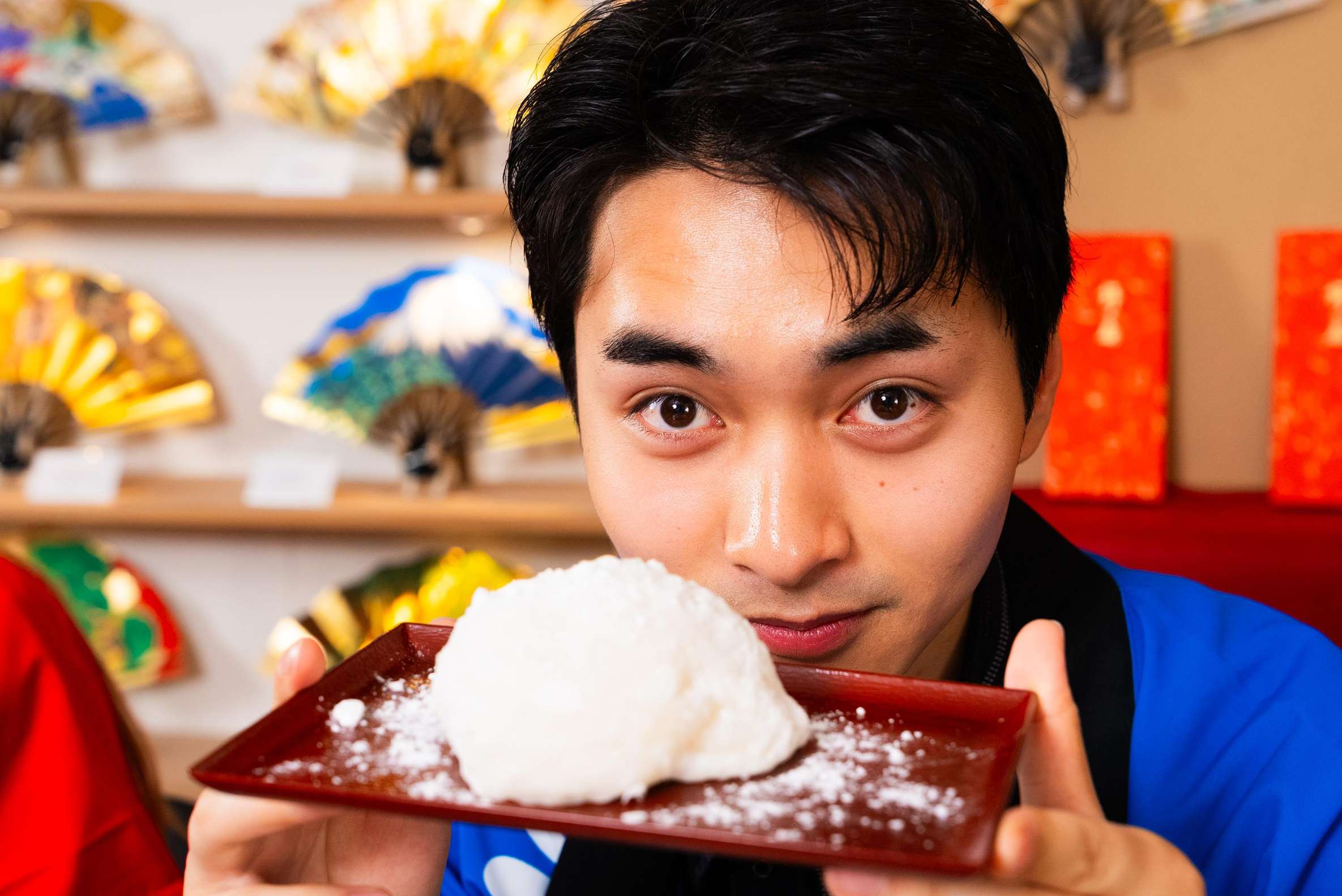
The difference shows up on the plate. Mochi eaten minutes after pounding is soft, gooey and stretchy in a way shop-bought rice cakes, which sit firm and cut cleanly, never match.
Shops in Arashiyama that sell hand-pounded mochi warm from the table trade on exactly this, and in a class you get it at the moment it is best.
The session runs about an hour, easy to slot between temple visits, and the tasting counts as a treat between meals, so plan a proper lunch elsewhere. No cooking background is needed; one Kyoto class is described outright as suitable for beginners. Expect to sweat a little. Pounding is real work.
A traveler's note
A lovely, authentic experience. The guide was enthusiastic, the artist friendly and capable, and I learned so much about the techniques and process. A must for any manga, anime or art lover visiting Kyoto!
One option built for this is the Kyoto: Traditional Mochi Pounding Experience with Tasting, a one-hour small-group session with a local home chef, capped at eight, run morning or afternoon.
Tour for this
Kyoto: Traditional Mochi Pounding Experience with Tasting4.5★ (66) · 1 hour · Free cancellation
From first pound to last bite - your making class minute by minute
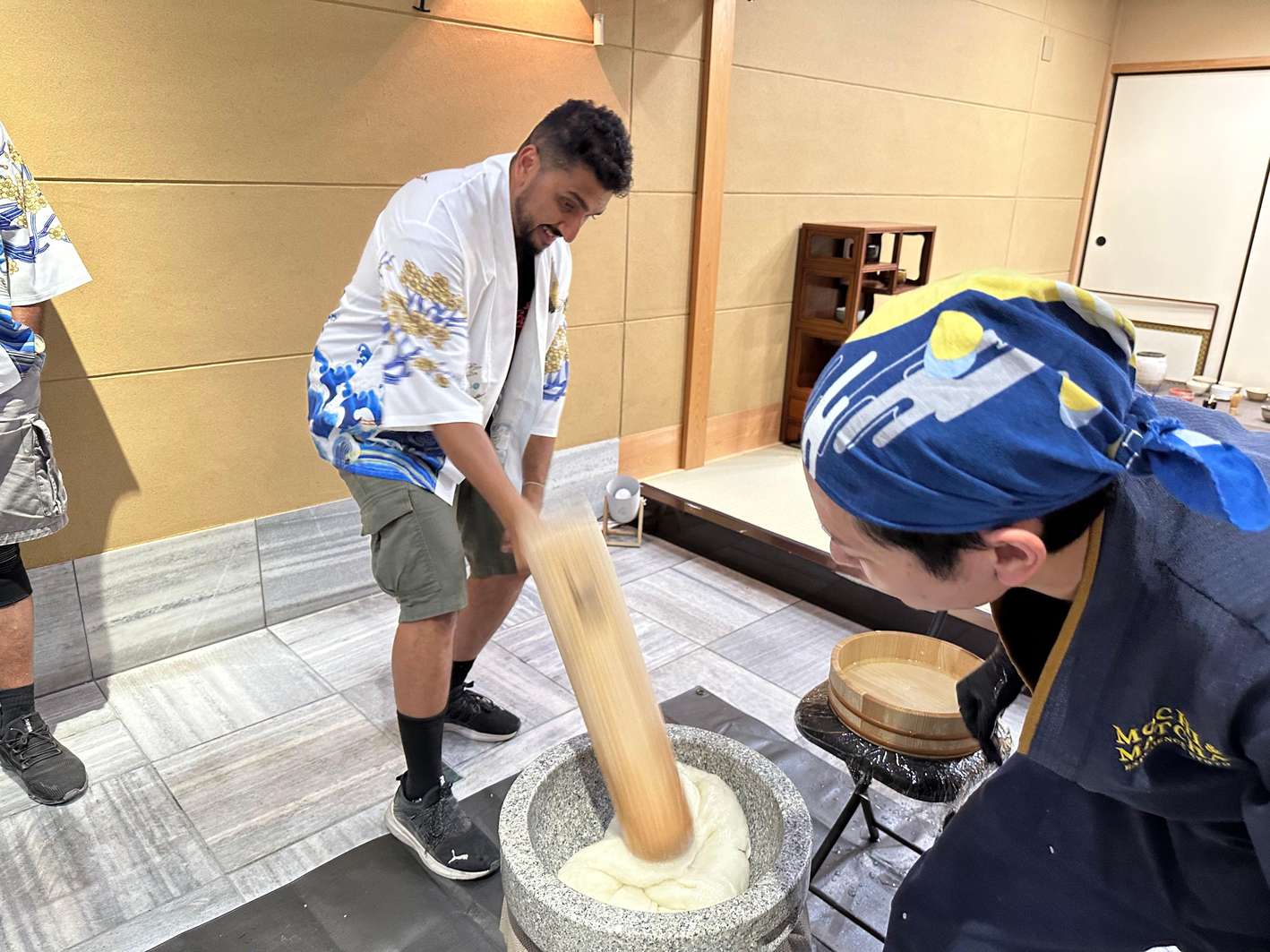
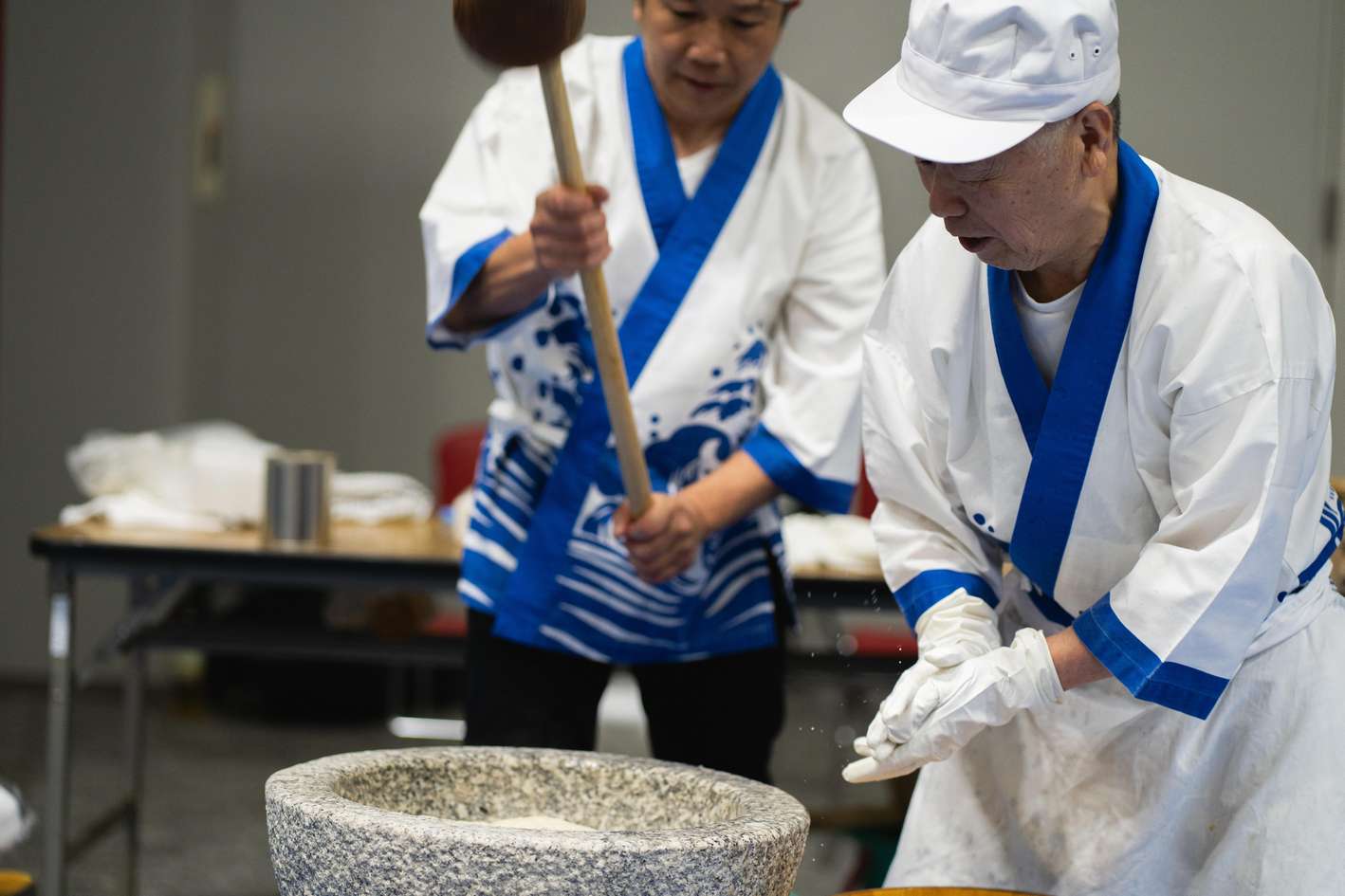
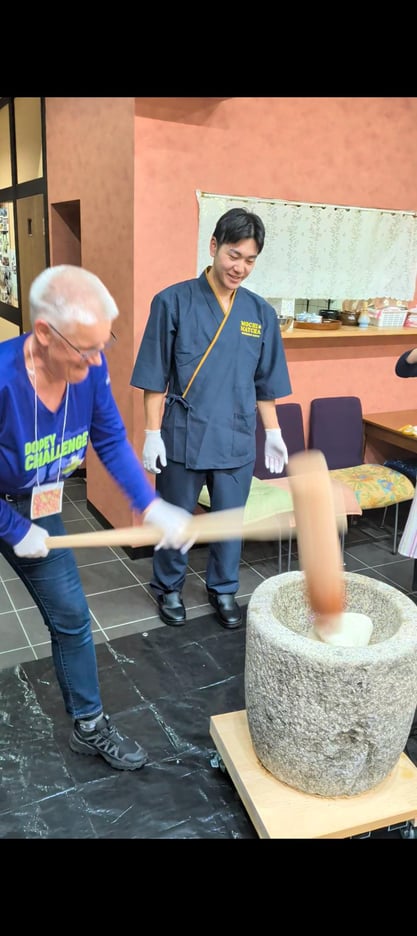
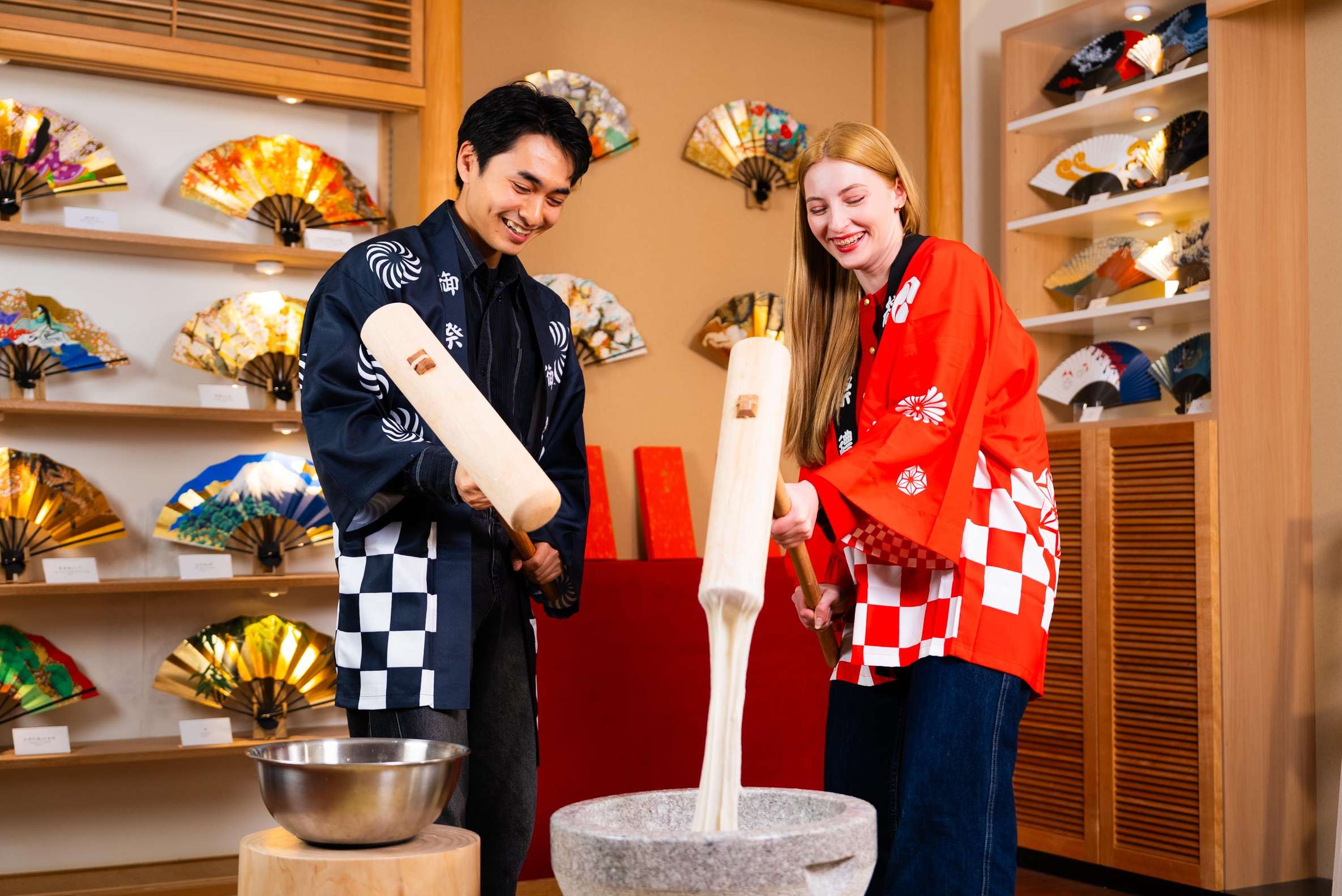
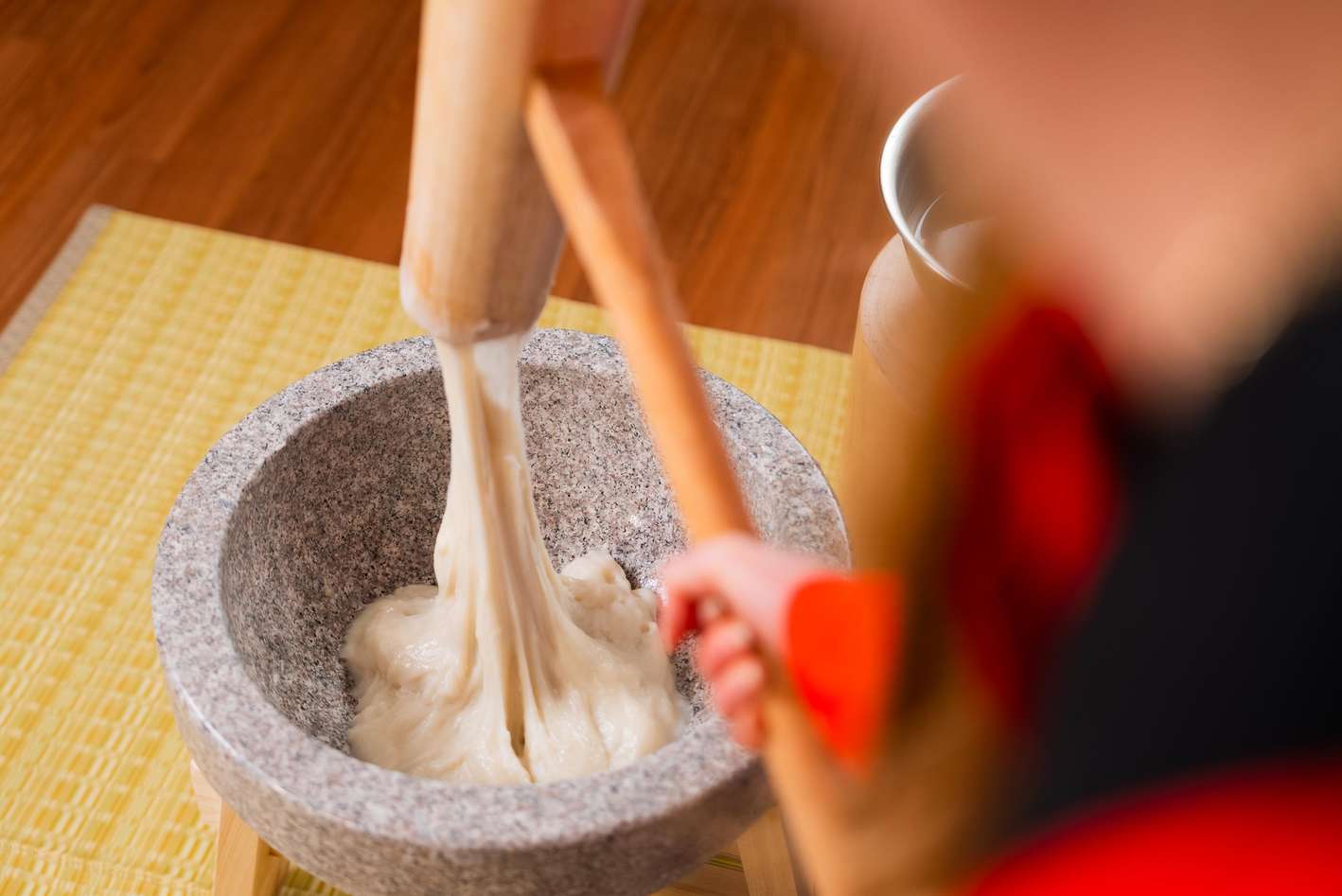
The rice was soaked the night before and steamed in a bamboo basket, because steaming keeps the grains intact where boiling would turn them gummy. It lands hot in the usu, the wooden mortar, and the first work is done with the mallet tip, crushing and gathering the grains before any real pounding starts.
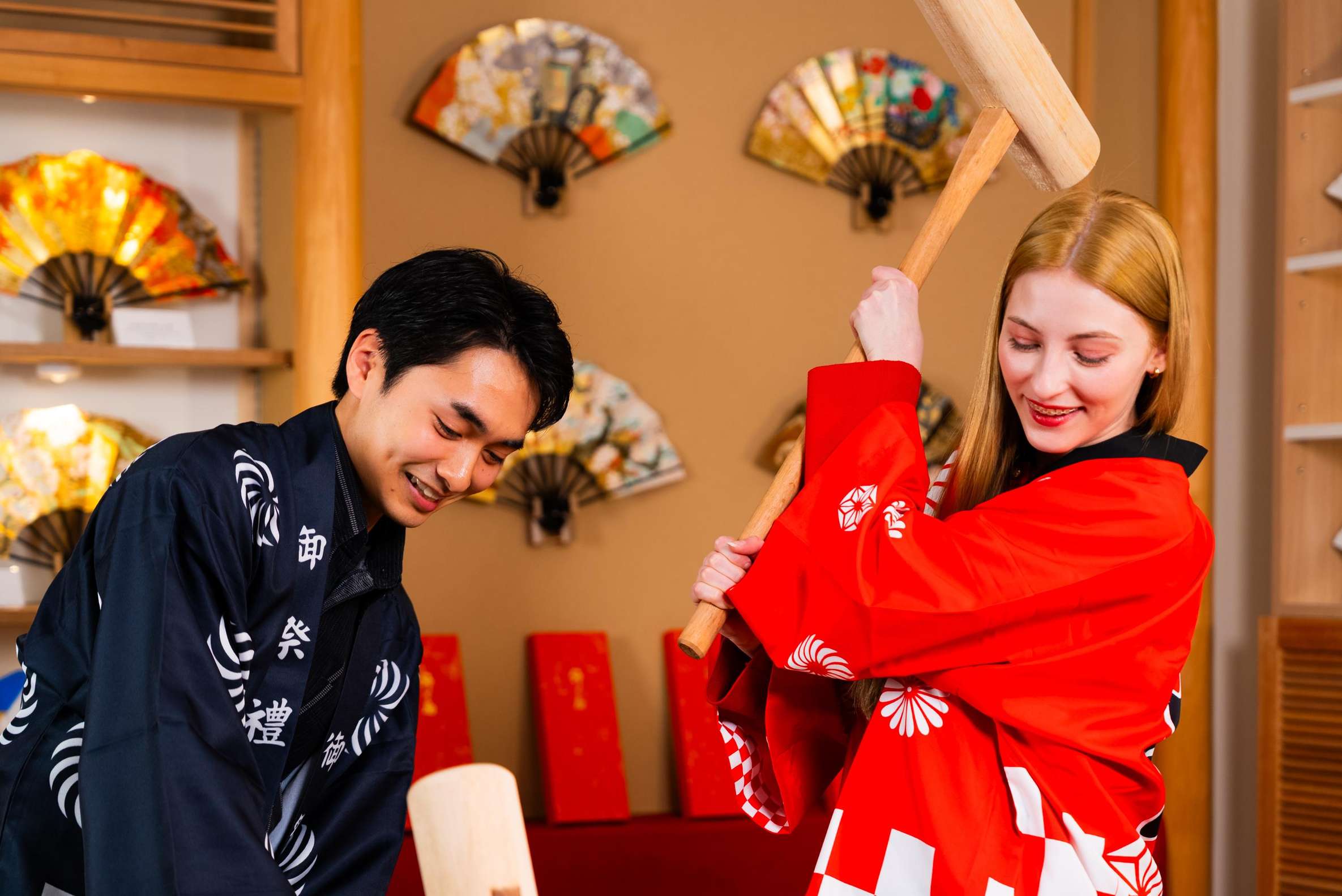
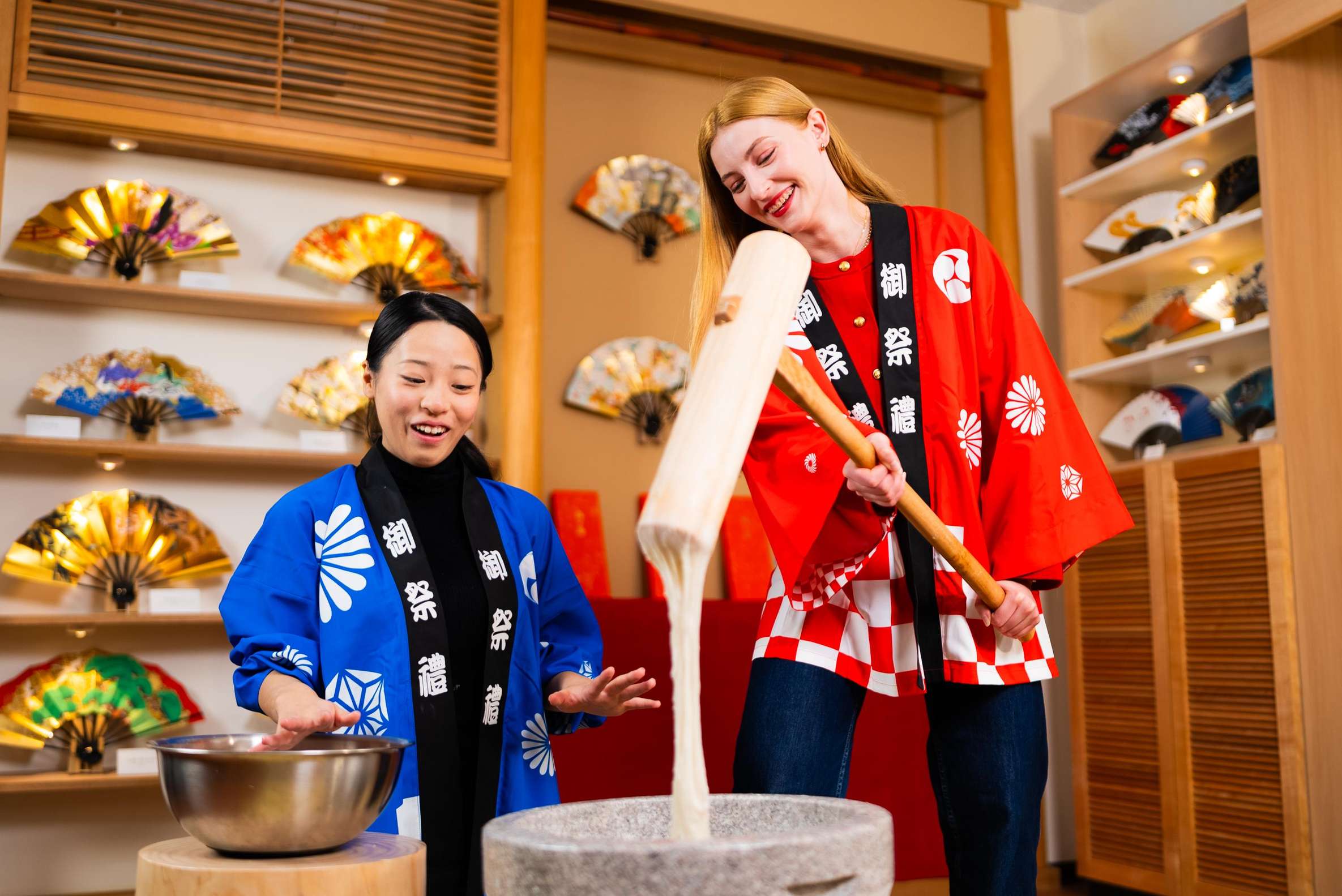
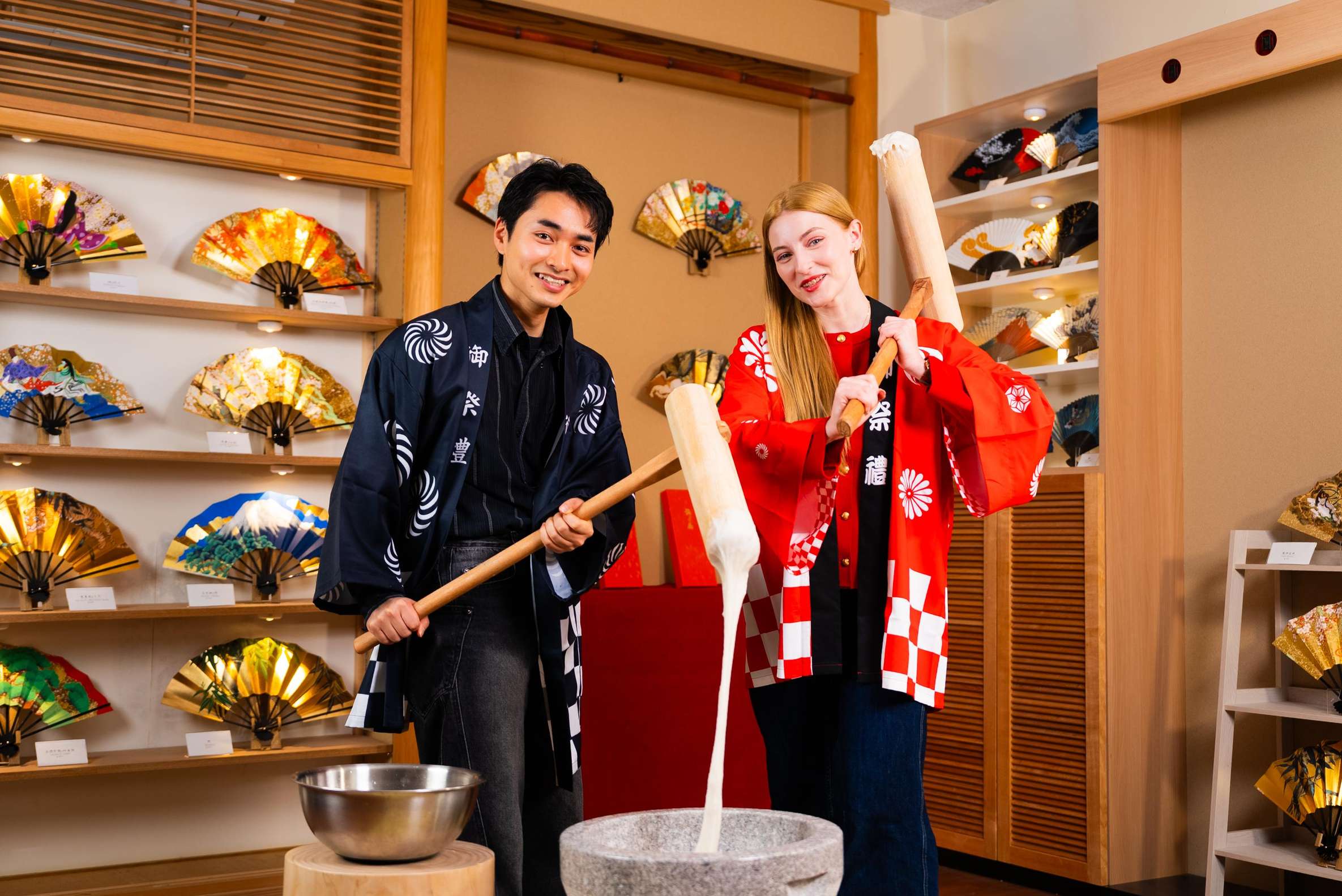
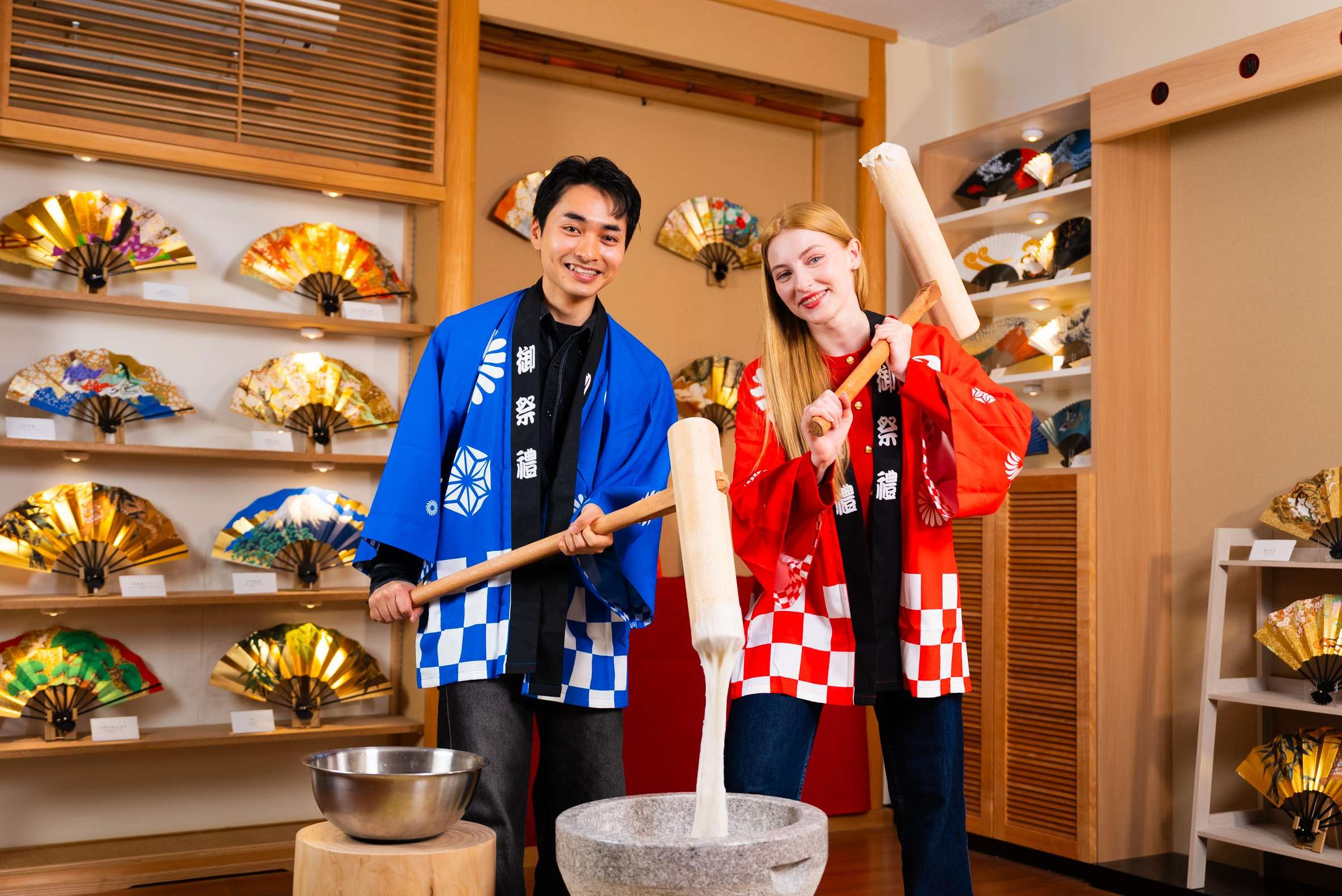
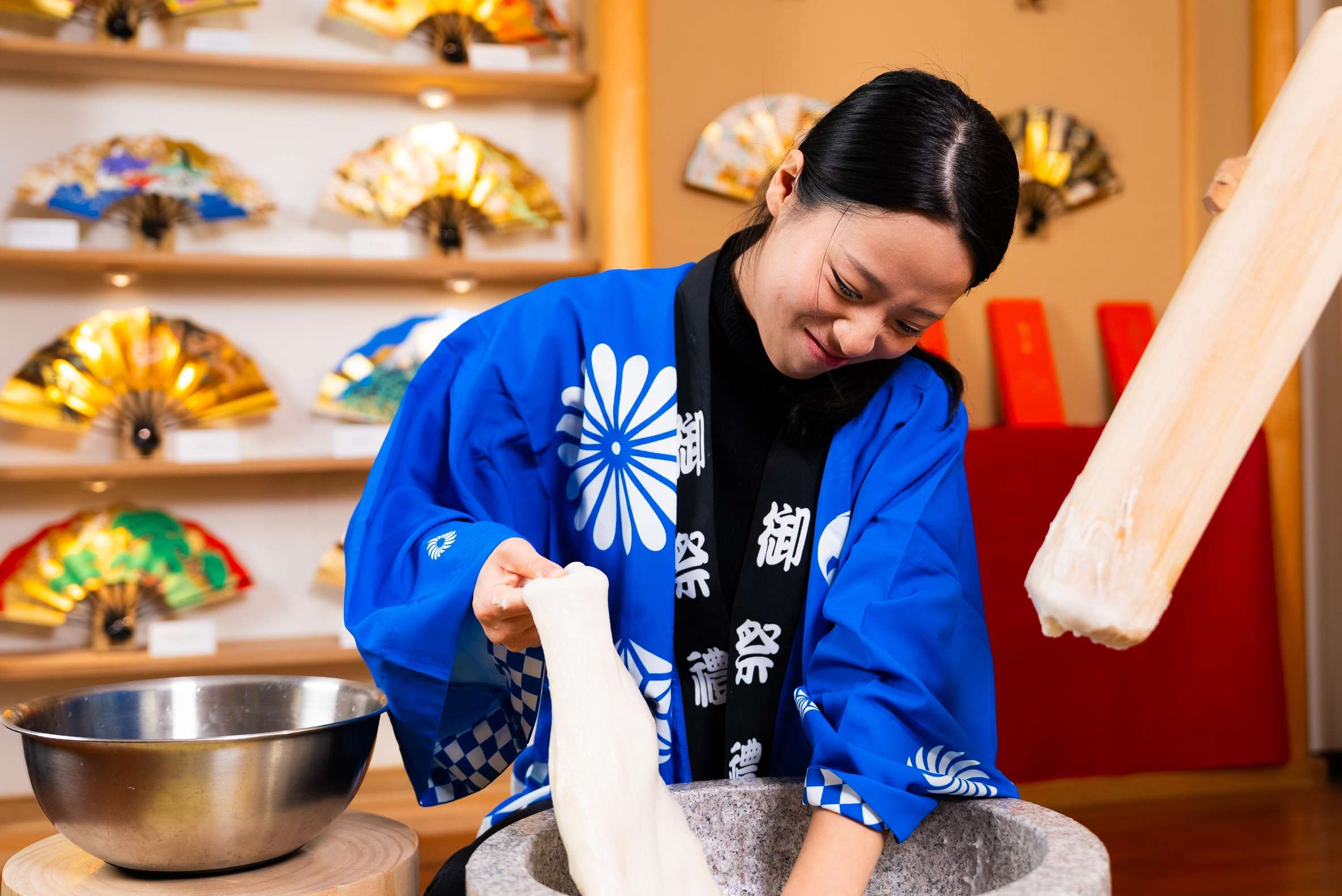
Then the rhythm begins. One person swings the kine; a partner darts in between strikes with wet hands to flip and fold the dough so it pounds evenly and never sticks.
That turner's timing is the whole trick, which is why beginners never take the turning role: a mistimed reach can put hands under a heavy mallet. Everyone chants "Yoisho" to hold the beat together.
The mallet lands flat in the mortar, never at an angle, so the rim does not chip. After pounding, the sticky work area dusted with potato starch makes shaping manageable, and the fresh mochi is cut or rolled and eaten straight away, dressed with kinako, anko, soy sauce or grated daikon.
How the hour unfolds
1
Arrival and welcome
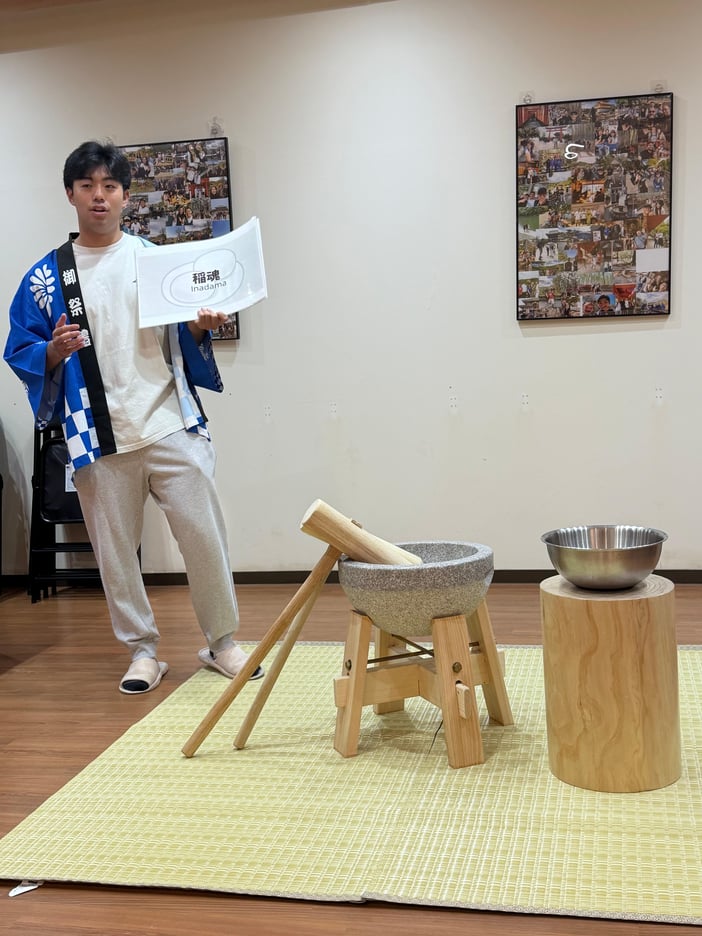
The host explains the tools and the history
Happi coats handed out
2
Steamed rice in the mortar
Hot mochigome is gathered with the mallet tip
No full pounding yet
3
Taking turns
One person pounds, one turns the dough between strikes
Beginners skip the turning role
4
Shaping
Dough is dusted with starch and divided
Pinch and twist, do not pull
5
Tasting
Fresh mochi with kinako, anko or soy sauce
Small bites, tea alongside
The Kyoto: Mochi-Making Experience with Tasting stretches this into two hours, opening with a professional mochi maker's performance before you take the mallet yourself.
The ritual behind the mallet in your mochi making class
Halfway through the pounding, when your arms know the weight of the kine, the instructor usually tells you what this act once meant. Rice held deities, in the old rice-growing beliefs, and pounded rice cakes carried a spiritual power that made them essential to ceremonies.
Mochitsuki was a sacred event before the New Year, done to prepare the stacked kagami mochi that welcomes Toshigami, the deity of the coming year.
The stack itself carries meaning: two round cakes, one said to stand for the moon, one for the sun.
Every grain pounded is described as a stretched-out soul in a communal act of purification, and the stretchy bite eaten at New Year stands for longevity. Families and whole neighborhoods once gathered around a single mortar for exactly the work you are doing.
Some of what you hear ties to the rice itself. Mochigome is stretchy because of a starch profile of almost pure amylopectin, and "glutinous" only means glue-like, with no wheat gluten in sight.
If a green dough appears, that is yomogi, Japanese mugwort, giving a faint herbal taste; kusa mochi is offered at the Doll's Festival for girls' healthy growth.
The sweat starts to feel like joining something old, and the pounding becomes the memory of the day.
Booking time. The one-hour standalone class with a home chef, the mochi-plus-tea-ceremony combination at an hour and a half, and the two-hour masterclass that opens with a craftsman's performance: those three shapes cover the hands-on sessions Kyoto holds. Session length, group size and what folds into the tasting decide which one fits your day.
Solo travelers have no barrier to worry about: solo guests are welcome on the mochi-pounding and matcha experience, and private classes in the city run from one participant up to nine.
Choosing your Kyoto mochi making class
Traditional pounding hour
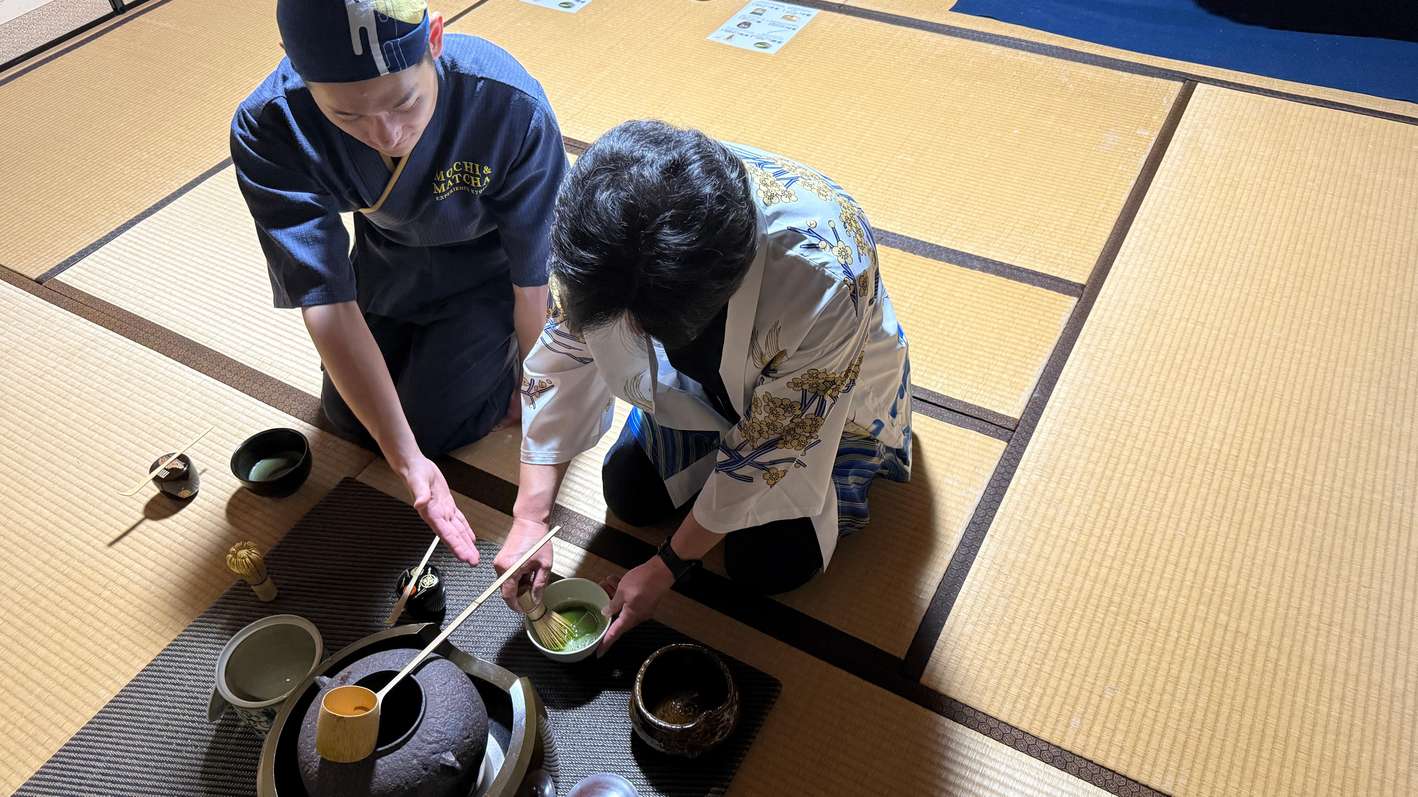
Mochi plus tea ceremony
Masterclass with demonstration
Length
1 hour
1.5 hours
2 hours
Group
Small group, capped at 8
Small group
Event-style with performance
Hands-on pounding
Yes, several styles and flavors
Yes, plus full tea ceremony
Yes, after watching a pro
Cultural extras
Matcha with your mochi
Uji matcha ceremony, souvenir
Happi coat, Yoisho chant, photos
Best for
A tight sightseeing day
A slow cultural evening
Travelers who want the full spectacle
Traditional pounding hour
Length
1 hour
Group
Small group, capped at 8
Hands-on pounding
Yes, several styles and flavors
Cultural extras
Matcha with your mochi
Best for
A tight sightseeing day
Mochi plus tea ceremony
Length
1.5 hours
Group
Small group
Hands-on pounding
Yes, plus full tea ceremony
Cultural extras
Uji matcha ceremony, souvenir
Best for
A slow cultural evening
Masterclass with demonstration
Length
2 hours
Group
Event-style with performance
Hands-on pounding
Yes, after watching a pro
Cultural extras
Happi coat, Yoisho chant, photos
Best for
Travelers who want the full spectacle
Read the table against your calendar first and your appetite second. A tight day favors the one-hour class with its small group of eight; a slow evening favors the combination.
The tea-ceremony combination earns its extra half hour, travelers say: pounding plus a formal matcha ritual with Uji tea makes a well-rounded cultural afternoon. Count on arriving 15 minutes early for any one-hour session, about 75 minutes door to table in total.
Good news on availability first: the reservation-based workshop venues run sessions across the whole week, so any day of your trip can work.
The fixed closing days belong to the traditional mochi shops, which shut most commonly on Tuesdays or Wednesdays; when a national holiday falls on their closing day they open for the holiday and push the closure to the next weekday instead.
Demand peaks around late December and early January, when mochitsuki belongs to the New Year preparations; outside that stretch the booking data show no month-specific rush, so the season is yours to choose.
The season still matters for a different reason: pounding is vigorous indoor work and leaves you sweating, and Kyoto's summer carries heavy humidity. Regulars schedule making classes in the cooler autumn months and save the steamiest weeks for gentler plans. Winter works too, though some venues sit in unheated historic buildings, so layer up.
Whichever month you pick, book ahead for the small-group slots. A class capped at eight fills on the operator's timetable, so grab your morning or afternoon slot early.
Experience: beginners are welcome. A Kyoto class is described outright as suitable for beginners, and the instruction is step by step. The demand is physical more than culinary, and most travelers can participate.
Japanese: not needed. Kyoto making classes run with English-speaking staff and instruction, and one session delivers everything, from the history talk to the tasting, in English throughout.
Strength and mobility: less than you fear. One Kyoto experience is wheelchair accessible, with accessible surfaces and stroller access, and the classes welcome most travelers.
It is genuine work all the same: a wide stance, a heavy mallet, and it can leave you sweating, so give it a fresh hour in the day, early or after a rest.
Children are a case by case: listed minimum ages vary, with one Kyoto experience taking ages five and up and another starting at 13. That range is the one detail worth checking before you book rather than at the door, since it decides whether the whole family pounds or the adults take turns.
Kyoto's mochi geography splits between two neighborhoods. Gion and the central Kiyamachi area put you among temples and museums; Arashiyama holds several traditional mochi shops, including ones that specialize in hand-pounded mochi sold warm from the pounding table. For watching rather than making, Mochi Mochi in Higashiyama Ward near Kiyomizu-dera runs live pounding demonstrations.
The practical point: the venues are not all in one district, so a class booked for the morning and a temple planned for the afternoon can end up on opposite sides of the city.
What nobody tells you
Check the district of your specific booking before planning the day
Classes sit in different neighborhoods, and a Kiyamachi venue and an Arashiyama shop are not walkable from each other
Arashiyama covers the eat-warm side
If you want hand-pounded mochi without the mallet, the shops there sell it fresh from the table
Higashiyama covers the spectator side
The live demonstration shop near Kiyomizu-dera pairs naturally with a temple morning
Once the neighborhood is fixed, the rest of the day builds around it almost by itself.
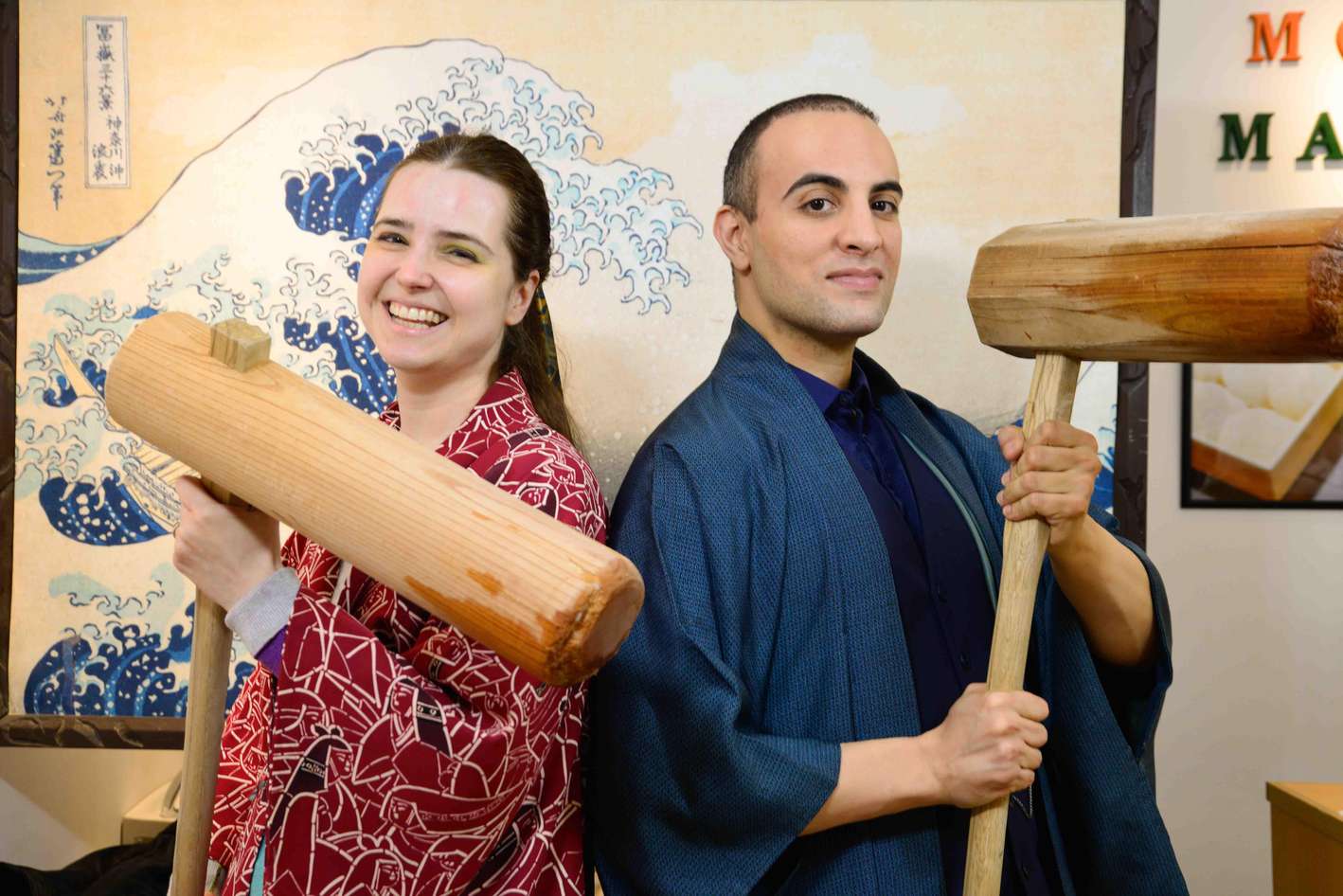
The workshop hands you a happi coat, the short traditional jacket, to wear over your clothes. That protects the torso. It does not protect everything, because fine potato starch and soybean flour drift through the air during pounding and settle on sleeves, trousers and feet.
So the rule is simple: nothing you would mourn. Loose, washable clothes with sleeves that roll up easily, flexible pants for the wide stance the mallet demands, and shoes you can slip off, because indoor venues follow Japanese etiquette and outdoor shoes come off at the entryway before you step onto tatami.
Clean dark socks hide the white starch dust that finds bare feet.
Flat, closed-toe slip-on shoes earn their place twice over: they come off in one motion at the border and they guard your toes around a heavy wooden mallet. Long hair goes back, both for your sightline on the downswing and to keep strands out of the warm dough.
What to wear and bring to a Kyoto mochi workshop
Washable top with roll-up sleevesSwinging the heavy mallet requires full arm range, and rollable sleeves keep cuffs clear of water splashes and fine starch dust.
Comfortable, relaxed-fit pantsPounding requires a stable, wide stance over the wooden mortar, and flour dust easily settles around the waist and legs.
Clean, dark-colored socksOutdoor shoes must be removed before stepping onto tatami mats, and dark socks conceal fine white rice starch dust.
Flat, slip-on closed-toe shoesShoes must come off at traditional entryways and tatami borders, while closed toes offer safety around heavy wooden mallets.
Hair ties or clipsSecuring long hair keeps it out of your face while swinging the mallet and prevents strands from falling into the warm mochi dough.
Nov to Mar warm base layersKyoto winters average 8°C to 11°C by day; unheated historic machiya townhouses can feel chilly on bare feet and tatami.
Jun to Aug lightweight cottonsSummer highs reach 27°C to 33°C with heavy humidity; vigorous mochi pounding is physical work that warms you up quickly.
No formal dress code exists, so this is comfort and laundry, not gatekeeping.
The warm mochi on your plate is at its best and its most dangerous at the same moment.
Freshly pounded glutinous rice is stretchy enough to pose a severe choking hazard unless it is cut into small bites and eaten with tea. Swallowed whole, it can sit intact in the stomach, harden further, and cause real pain.
The fix costs nothing. Cut small pieces, sip tea or soup first to moisten the throat, chew slowly and thoroughly, and keep talking while eating off the table.
Children need the same care taken further: cooled mochi firms up, and young chewers are the ones most at risk, so keep them seated and focused on the plate.
Pregnant travelers are fine with plain rice mochi and safe fillings such as sweetened red bean paste, sesame or peanut paste, or pasteurized ice cream; skip anything with raw egg custard or unpasteurized cream.
What people get wrong about mochi
Myth"Glutinous means it has gluten"
Reality
Glutinous refers to glue-like stickiness; mochigome is entirely rice and naturally gluten-free
Myth"Fresh mochi is unsafe by nature"
Reality
It is safe eaten in small bites, chewed well, with tea alongside
Myth"The hotel fridge will keep it fresh"
Reality
Cold speeds up hardening; fresh mochi should never be refrigerated
Celiacs should check added toppings and cross-contact rather than assume every serving is safe from the main ingredient alone.
If plans change - making class lateness and refunds
The operators' own terms on lateness are strict, and they are worth reading before you build the day around a slot. Arrive more than 15 minutes late to a shared session and you may not be permitted to take part at all.
Arrive late but inside that window and you may simply lose part of the experience. In both cases the lateness rule itself carries no refund.
That is not harshness for its own sake; shared sessions move together through pounding, shaping and tasting, and a group cannot hold the rhythm for a missing mallet. It just means the 15-minute buffer belongs in your itinerary, not in a taxi queue.
If the day goes wrong
If this happens
What happens then
You arrive more than 15 minutes late
You may lose your spot, with no refund
You arrive late but within the window
Your experience time is shortened, still with no refund
A delay looks likely on the day
Rebooking ahead beats rushing across the city
Separate from that, the classes listed here allow cancellation up to 24 hours in advance for a full refund. That term covers a change of plans a day out; the no-refund lateness rules cover the session itself, once it has started without you.
Here is the piece of chemistry that decides your evening. Fresh mochi begins hardening within hours at room temperature, as its rice starch recrystallizes, and the hotel refrigerator makes it worse: cold accelerates the hardening, and a night in the mini-bar leaves the dough firm and grainy.
So eat the best piece warm at the table, the moment it is softest and most pliable, and treat anything carried back as a same-day plan.
Leftovers can travel to the hotel in an airtight container at room temperature and keep for a few hours, but they stay soft only if frozen or reheated by grilling, boiling or a quick microwave turn.
Daifuku behaves the same way, its mochi skin firming over time, and fruit-filled versions are the most perishable of all because moisture from the fruit works into the dough. The same-day rule is why travelers advise checking the date before carrying any fresh sweet home as a gift.
Buy a second piece only if you will eat it that evening. Otherwise the memory outlasts the mochi, and there is no shame in that.
With the class booked into a central Kiyamachi slot, the day assembles itself. Honnō-ji sits two minutes away on foot, the Museum of Kyoto and Nishiki Tenmangū within ten, and the Kyoto International Manga Museum at the ten-minute mark for a rainy-hour fallback.
The table gives your walking radius; pair two sights within ten minutes of the venue and the day stays unhurried.
If you chose the mochi and tea ceremony combination, check which venue your booking confirms before planning around it: the tea-ceremony experience is listed at the foot of Nijō Castle, which makes the castle the natural pairing, while another address places it near Shiramine Shrine and the Kyoto Imperial Palace.
Either way, the castle or the palace grounds fill the surrounding hours well.
The sensible shape of the day is pounding first, temples second. Pounding is physical work, and the tasting that follows sits better as a reward than as an afterthought.
A class in the morning, Honnō-ji and the museum after lunch, and an evening stroll through the lanes near Gion closes a day that never once felt crammed.
A mochi making class in Kyoto earns its hour: real pounding, warm mochi at its best moment, and instruction in English with no experience needed. Book the small-group session early or late in the day, keep a 15-minute arrival buffer, and eat everything the same day.
Go ifGo if you want the mallet in your hands rather than three minutes behind a crowdGo if you are travelling with children old enough for the class's minimum ageGo if your itinerary has a 75-minute gap between temple visits
Skip ifSkip if you are pregnant or have back problems, since two sessions list these as unsuitableSkip if your only free hour is a hot, humid summer afternoonSkip if you cannot reach the venue 15 minutes before the start
Our pick to book
Kyoto: Traditional Mochi Pounding Experience with Tasting4.5★ (66) · 1 hour · Free cancellation
Your Kyoto questions about the mochi making class, answered
Quick answers before you book your spot at the mortar.
Kyoto2026
The mochi came off the mallet warm and stretchy, and we ate it within the hour. Book a morning slot so the tasting leaves room for lunch.
Do I need cooking experience to join a mochi making class in Kyoto?
No. The classes are built for beginners, and instructors walk you through each step in English, from handling the steamed rice to shaping the finished pieces. Most travelers can take part; one Kyoto session is even wheelchair accessible.
How much strength does swinging the wooden mallet take?
Less than it looks. You pound for short stretches with guidance on technique, and the instructor steps in when the heavy work calls for it. Sessions last about an hour, and the pounding is active enough that some people work up a sweat.
Will the instructor speak English?
Yes. Kyoto mochi making classes include English-speaking instructors and staff, so the steps, the safety calls and the cultural background all come through without language friction. You can ask questions as you go.
How long does a mochi making class in Kyoto take, and can I fit it between temples?
Plan about 75 minutes door to door: arrive 15 minutes early for the one-hour session, which includes making and tasting your mochi. That slots easily between nearby sights. Late arrivals at some venues may lose time or miss the session with no refund, so build in margin.
Is the tasting a full meal?
Treat it as a generous snack. You usually eat several pieces of what you make, with toppings like kinako and anko, plus tea or drinks. That fills the gap between breakfast and dinner, and leaves room for the rest of your food plans.
How does fresh mochi compare to the packaged kind?
Warm from the mortar it is soft, gooey and extremely stretchy, while store-bought mochi is firm and cuts cleanly. That first bite right after pounding is the moment people remember from the whole class.
Can I take leftover mochi back to my hotel?
You can, but eat it the same day. Fresh mochi starts hardening within hours at room temperature, and a hotel refrigerator speeds that up. Keep it covered and away from heat, or reheat it by grilling, boiling or microwaving to soften it again.
Is it safe to eat mochi during pregnancy?
Plain rice mochi is safe during pregnancy, as long as you take small bites and the fillings are pregnancy-safe. Sweetened red bean paste, sesame and peanut pastes and fruit purées are fine.
Skip fillings with raw egg or unpasteurized dairy. One Kyoto class lists pregnancy among the conditions it is not suited for, so pick your session accordingly.
How should we eat freshly pounded mochi safely, especially with kids?
Cut it into small pieces and chew slowly, with tea or water close by to wash it down. Avoid talking while chewing and keep children seated and focused on eating. Warm mochi gets firmer as it cools, which raises the choking risk for small children.
How is a Kyoto making class different from the famous pounding show in Nara?
The Nara demonstration lasts two to three minutes, and once the crowd forms you may struggle to see past the front rows. In a Kyoto making class you hold the mallet yourself, pound with traditional tools, shape the mochi and eat it warm, which takes about an hour.
Where can I watch mochi pounding in Kyoto if I only want to observe?
There is a shop in Higashiyama Ward near Kiyomizu-dera that runs live mochi-pounding demonstrations, so you can pair the watching with a temple visit. For the hands-on version, several operators run pounding sessions across the city.
Mochi making class done? Where to pound and watch next
Book a small-group making class for mochi in Kyoto
A local home chef guides you through pounding, shaping and tasting several styles of mochi, finished with matcha. Free cancellation up to 24 hours in advance keeps your plans flexible.