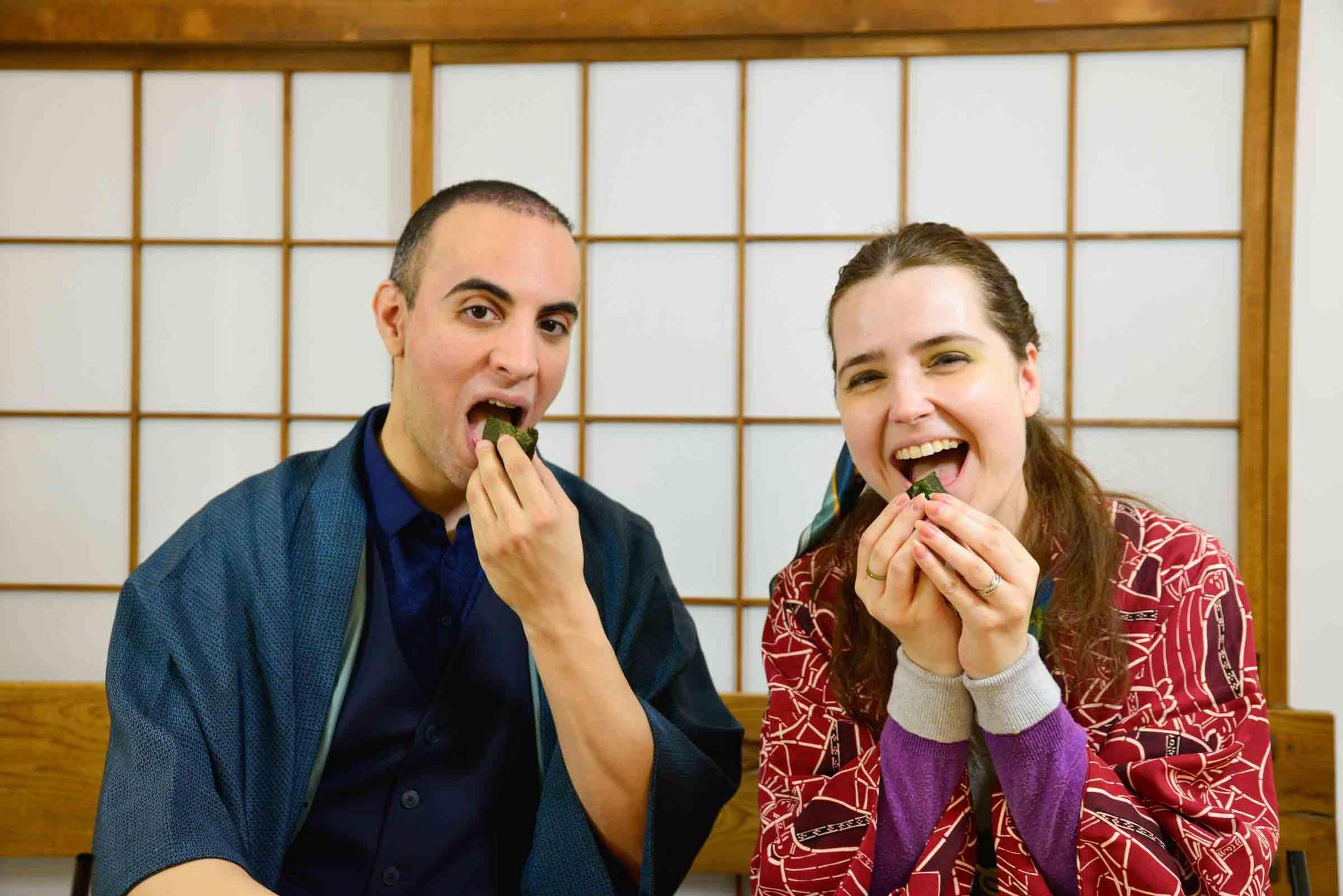
Mochi Making Class in Tokyo - Workshop Booking Details
Book a mochi making class in Tokyo and lift the mallet yourself. Join travelers who pound, shape and taste warm fresh mochi in Asakusa and Shibuya studios, with English-speaking hosts, private sessions for your group, and vegan-friendly options. Reserve a one-hour spot that fits your sightseeing day.
"After Senso-Ji, we did this mochi workshop. Two friendly women explained every step and we tried each one. Our daughters (5,17) loved watching me pound the rice."
5.0★average rating107traveler reviews100%free cancellation21countries travelers came from
Your mochi making class in Tokyo
Every mochi making class in Tokyo is hands-on; there is no watch-from-the-sidewalk version here. The choice comes down to setting and style: a private ritual studio near Asakusa's temples, a small chef-led class making several sweet types, or a plant-based session in Shibuya. All three end the same way, with warm mochi you pounded yourself.
BookingReserve in advance; Tokyo has no walk-up pounding shows, so an organized class is the only way in.
ObservingAll three classes require every guest to participate; watching only is not allowed.
DurationPlan on about an hour from pounding through tasting, an easy stop between sights.
ChildrenMinimum ages vary, with the Shibuya session starting at age 5 and other classes running family plans.
AllergensThe Shibuya kitchen prepares food without wheat, dairy or eggs, but it is shared, and soy and sesame may be present.
ClothingWear loose, washable clothes and shoes you can slip off; studios hand out happi coats and follow indoor footwear customs.
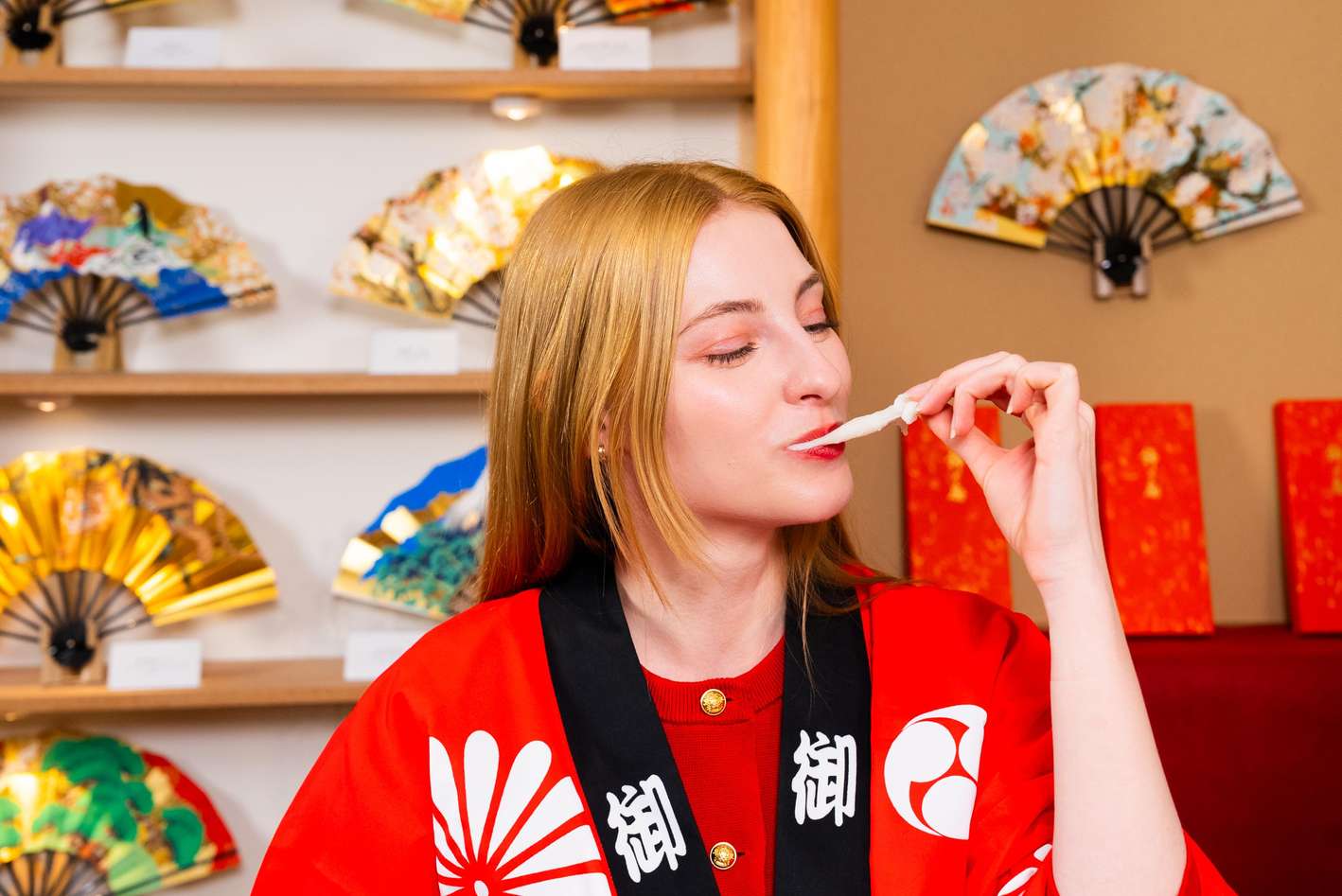
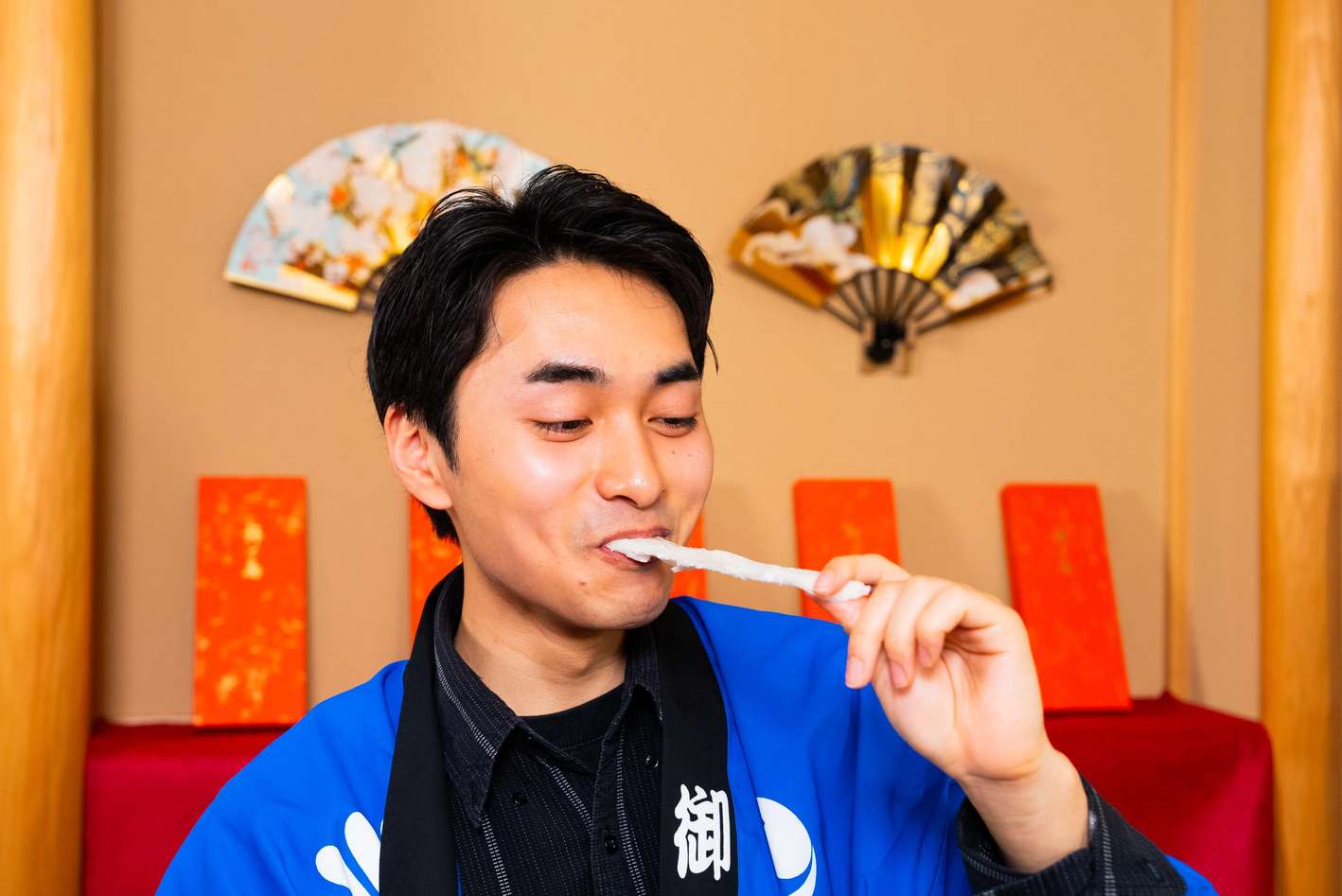
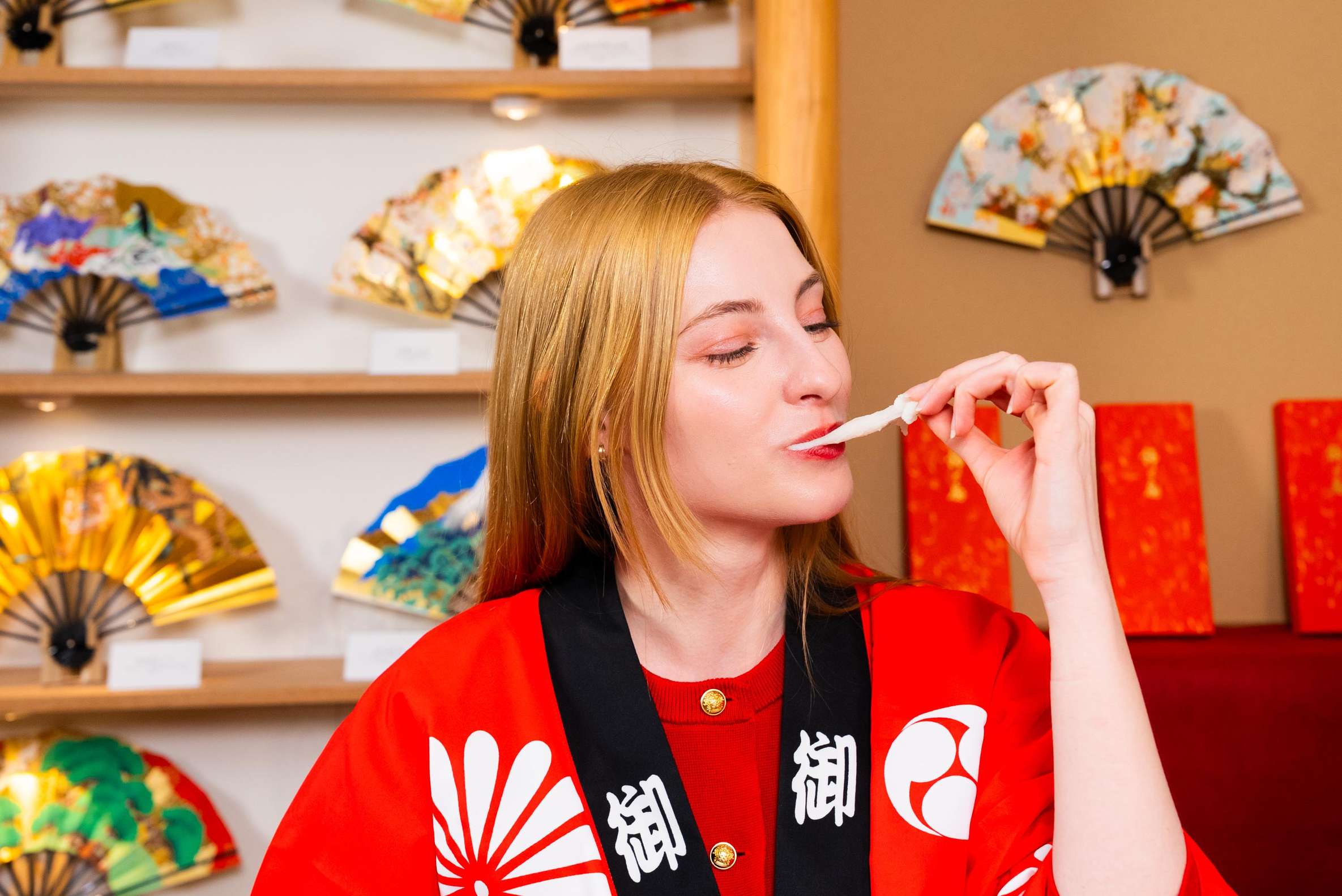
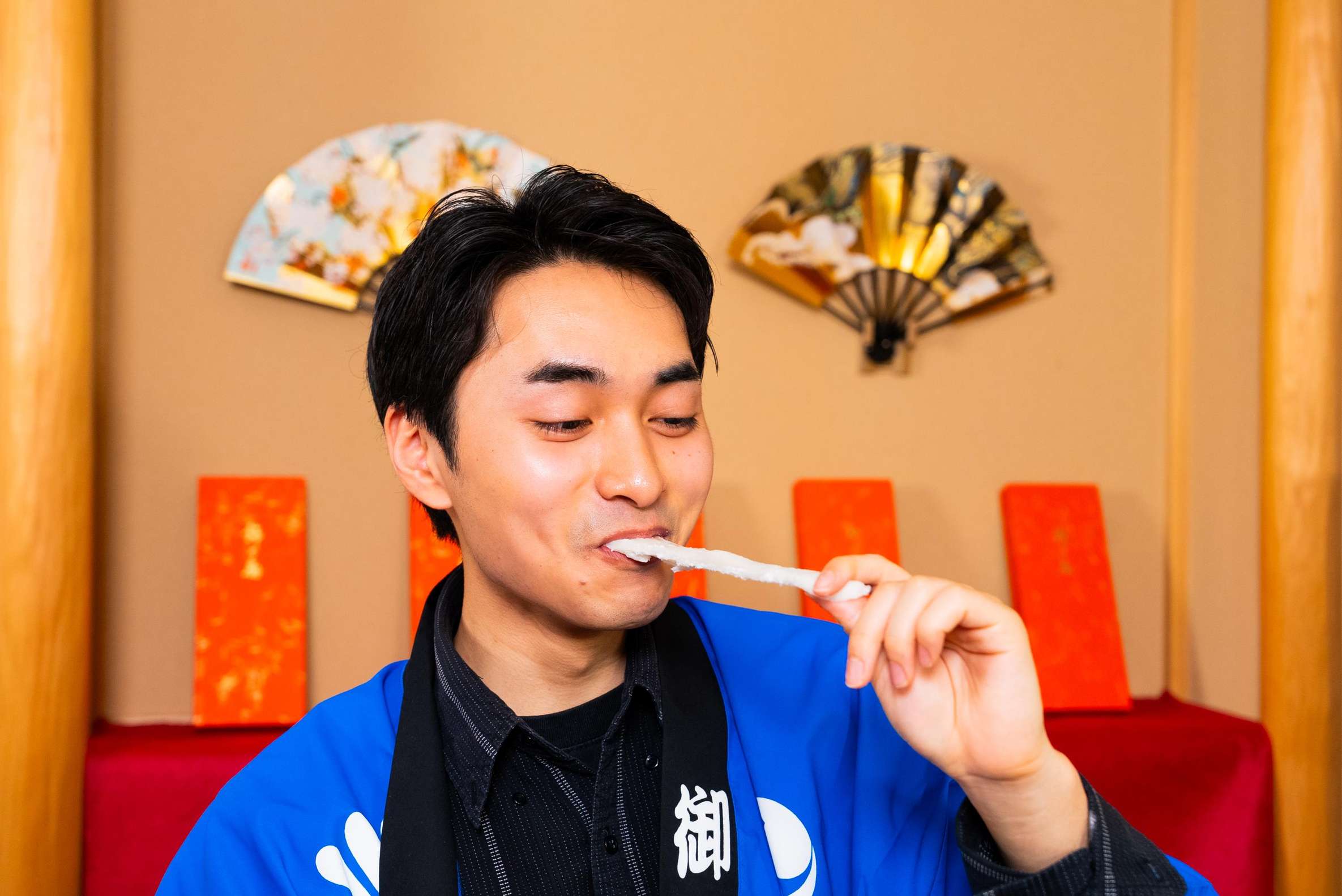
EatingCut warm mochi into small bites and chew slowly with tea nearby; it is soft and sticky when fresh.
TimingMid-morning sessions fit best, after the weekday rush hour and before the evening crowds.
PhotosBring your phone; hosts take pictures of the pounding and send them after the session.
Getting thereThe Asakusa studio sits a five-minute walk from Asakusa Station on the Ginza Line.
importantTokyo's mochi workshops are not allergen-free kitchens: the vegan-friendly class in Shibuya uses ingredients containing soy, sesame may be present, and its shared kitchen is not a dedicated allergen-free facility.
If you have a severe soy or sesame allergy, tell the host when you book and ask whether a safe tasting set is possible before you go.
Picking the right making class in Tokyo for your group
Budget-friendly
1 hour·English
5.0(19)
Tokyo: Traditional Mochi Pounding Experience & Tasting
One hour with a local chef, four mochi styles from red bean to mitarashi dango, and the lowest starting price of the three.
What you'll see and get at a mochi making class Tokyo hosts run in Asakusa
about 1 h
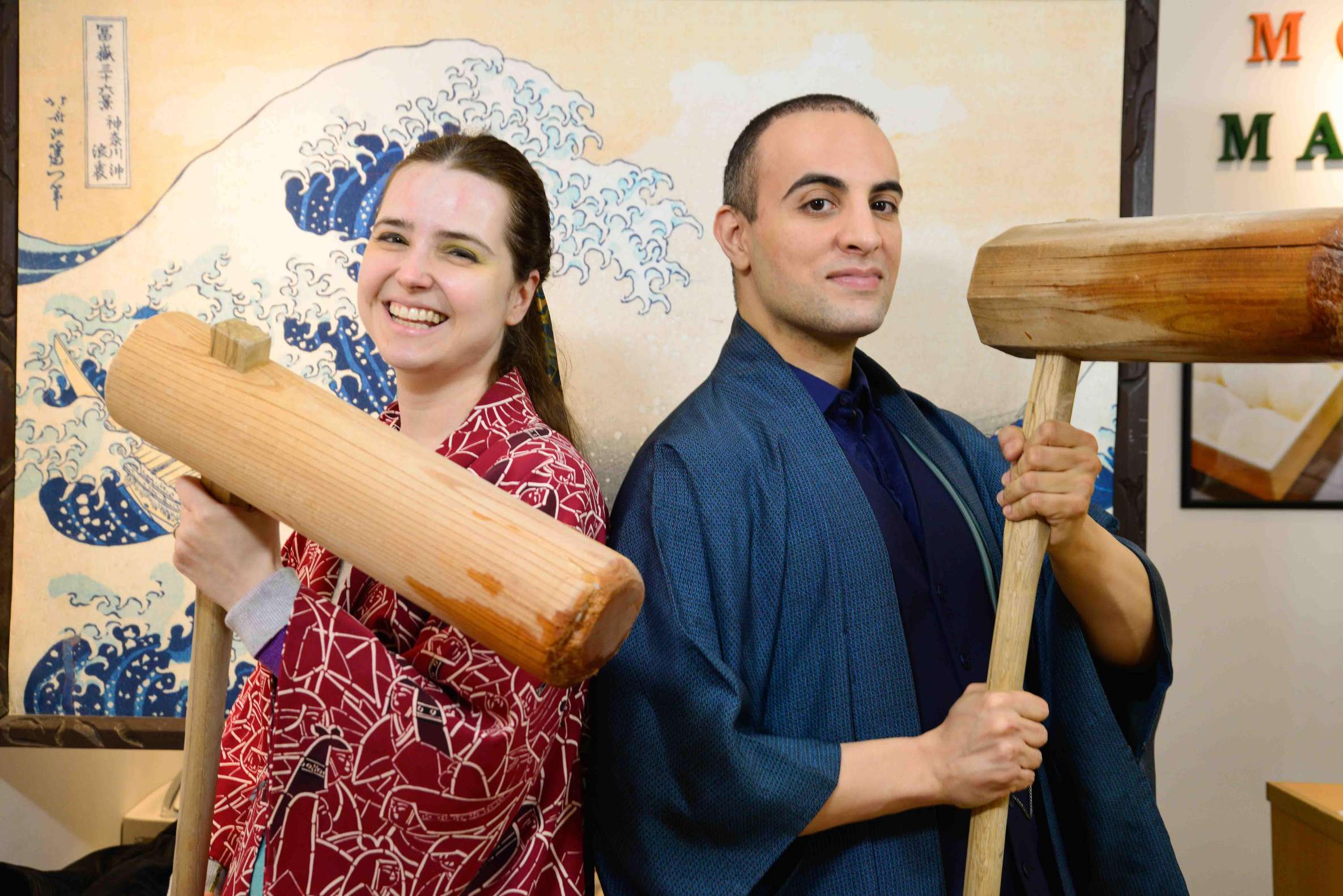
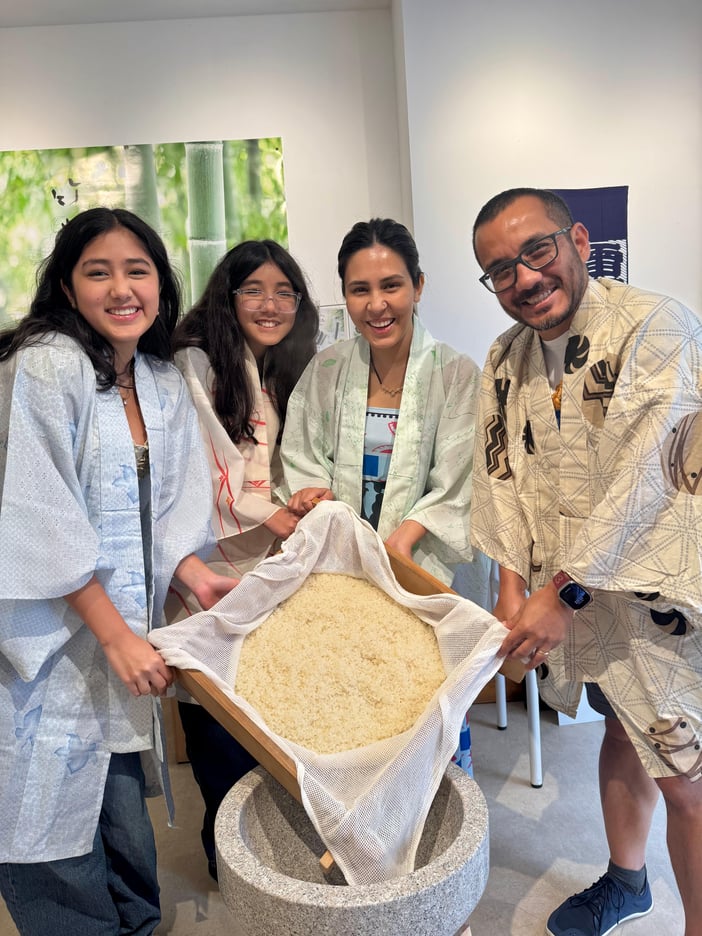
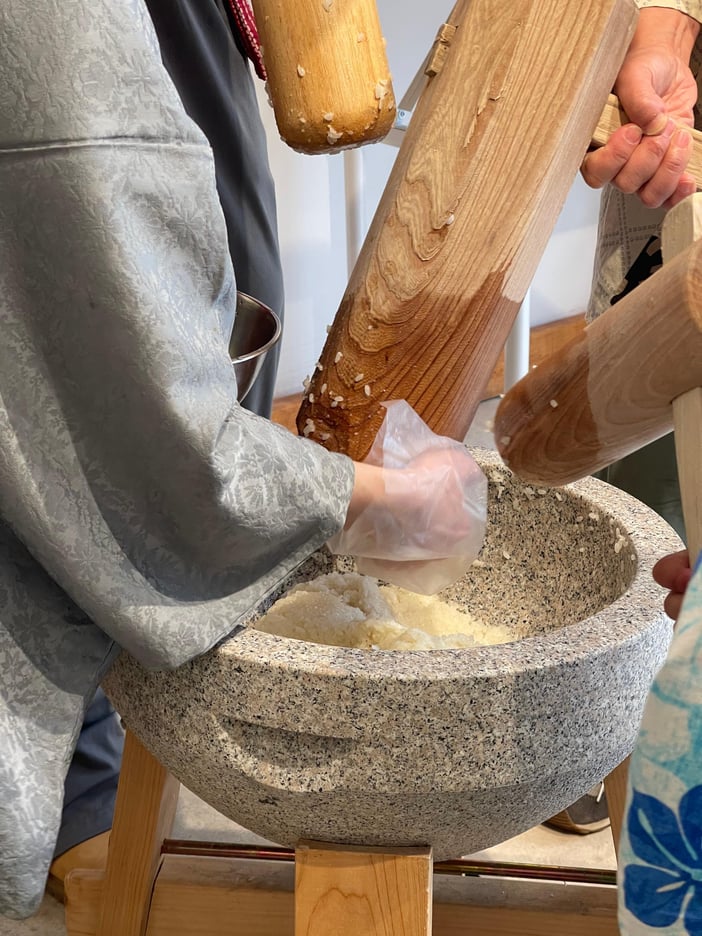
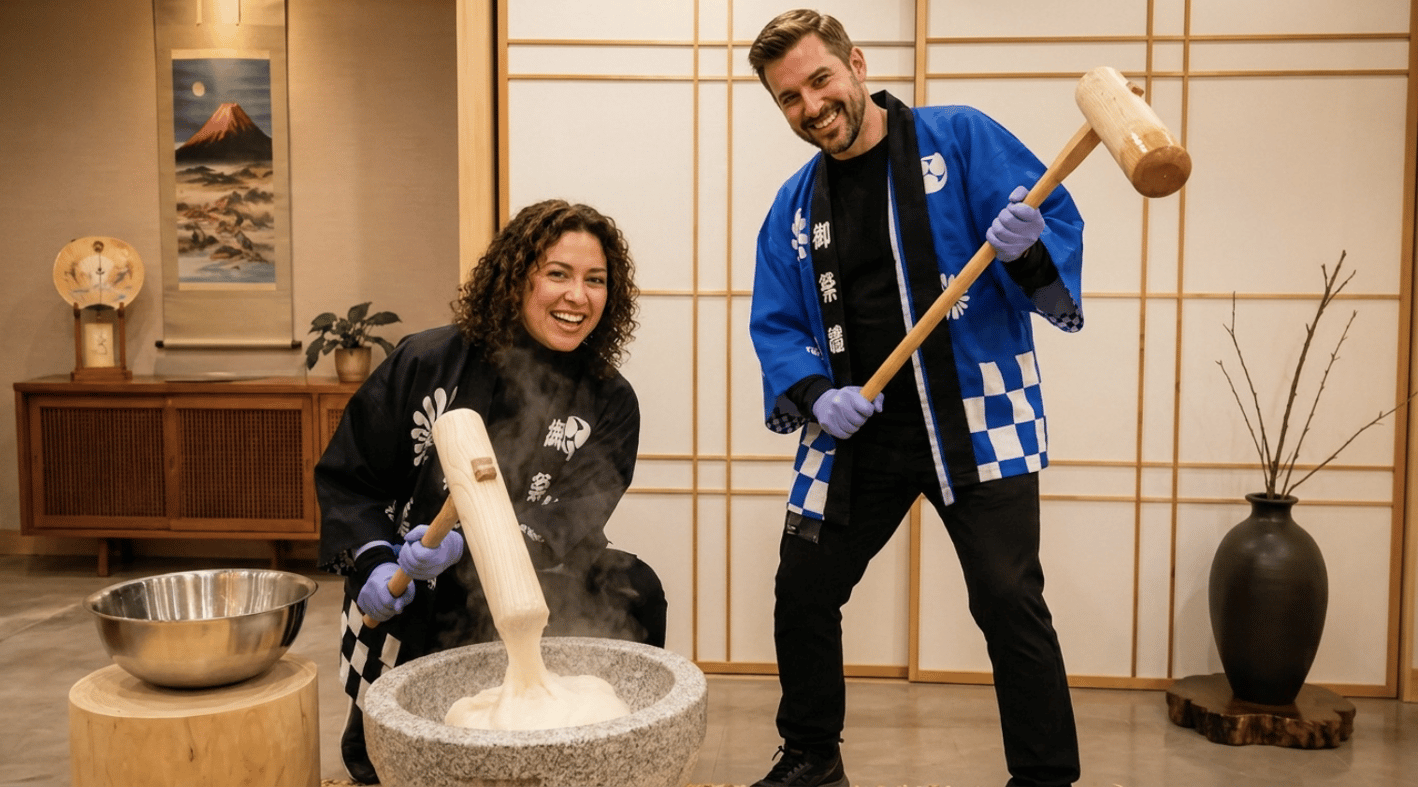
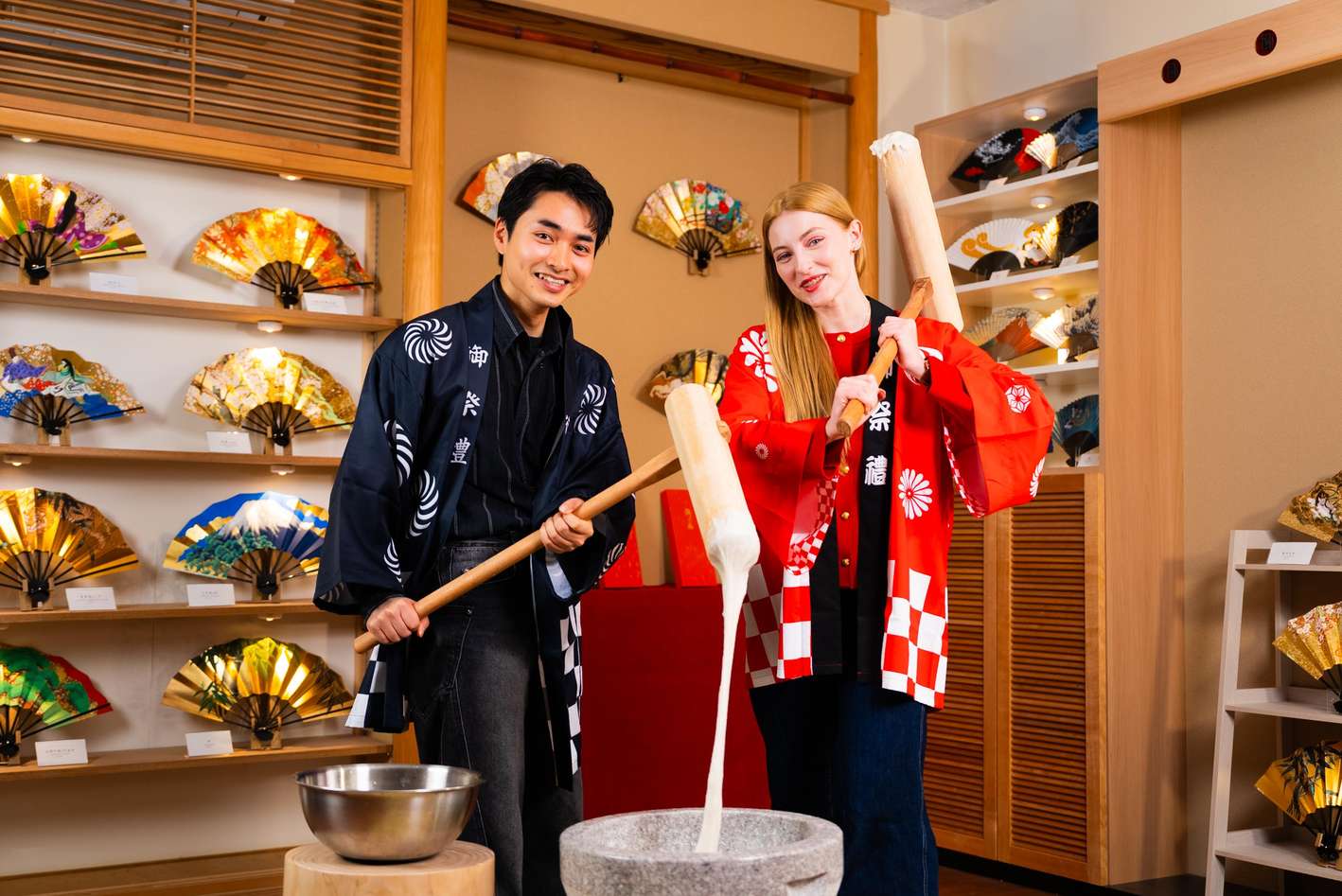
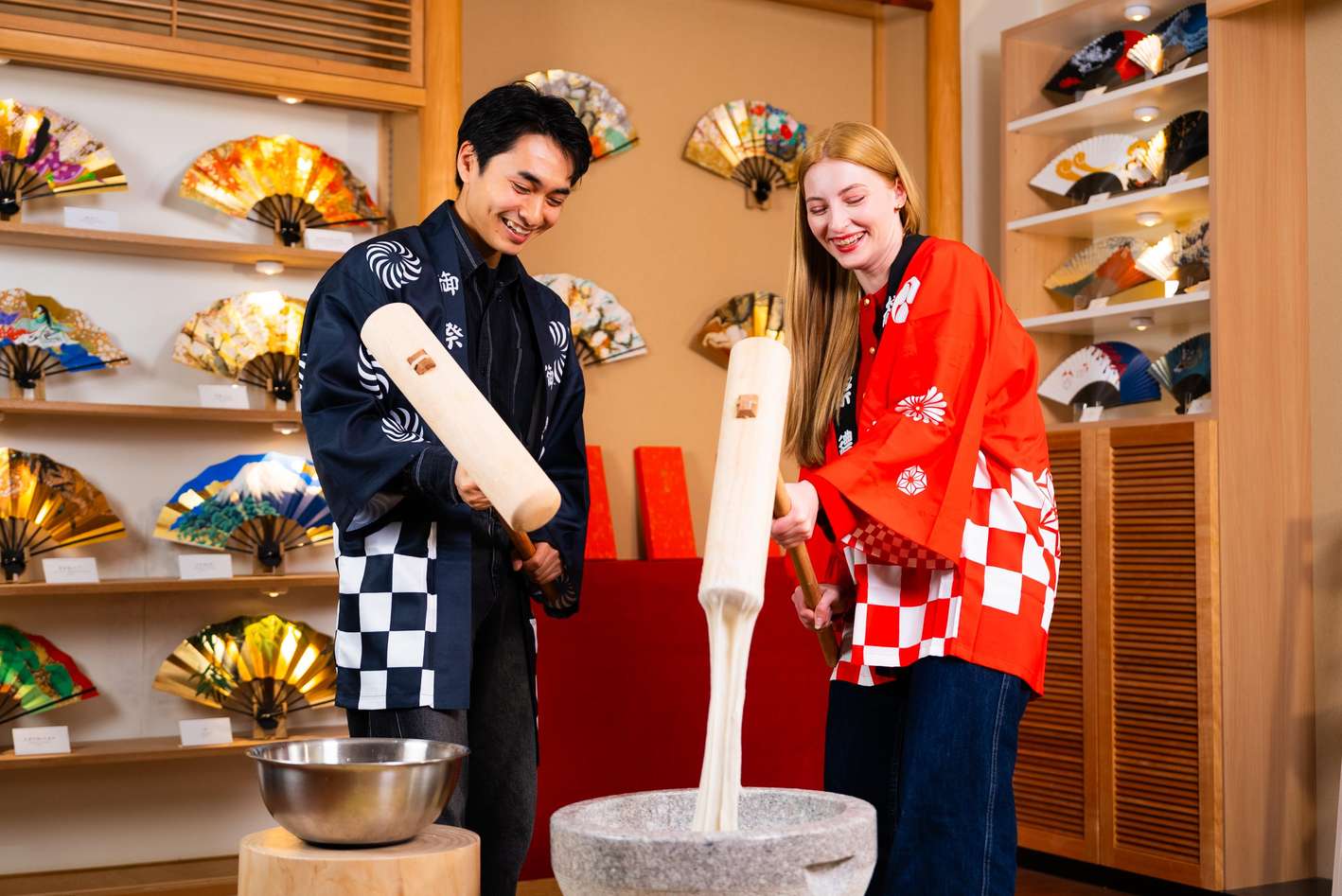
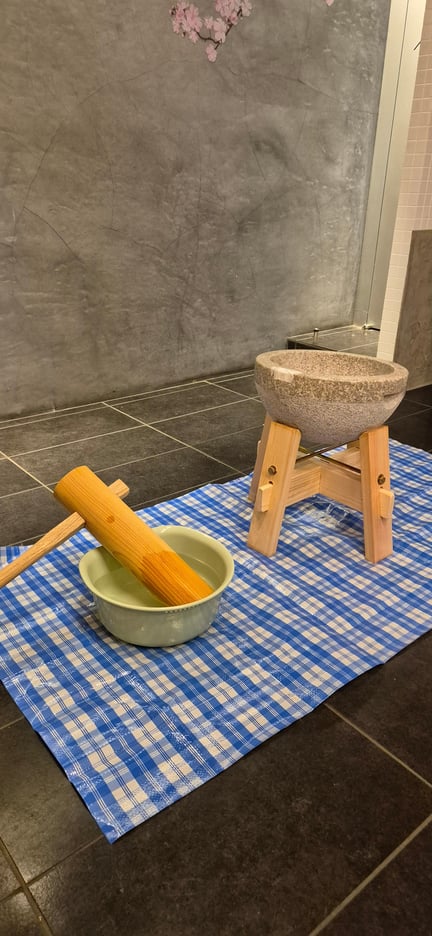
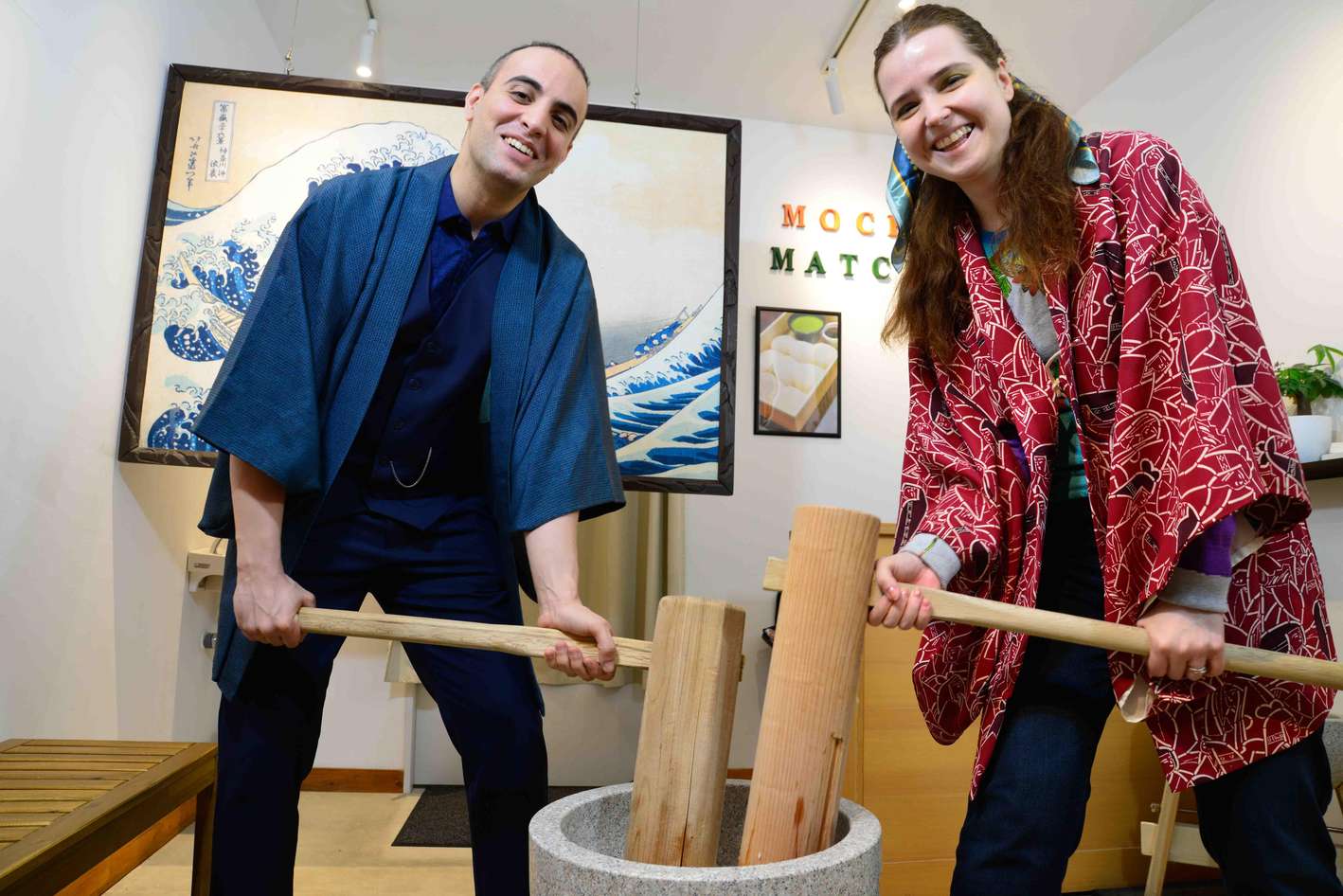
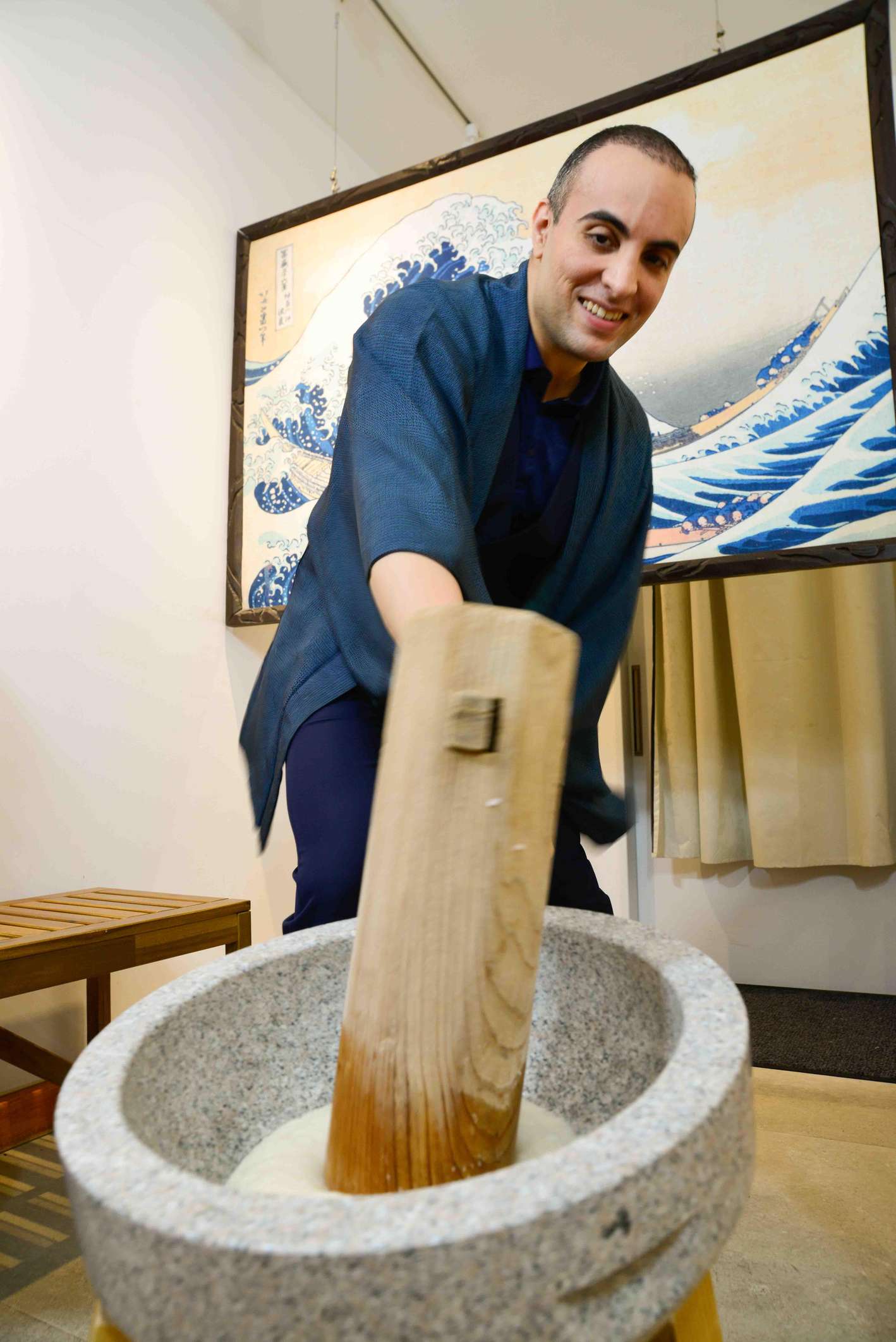
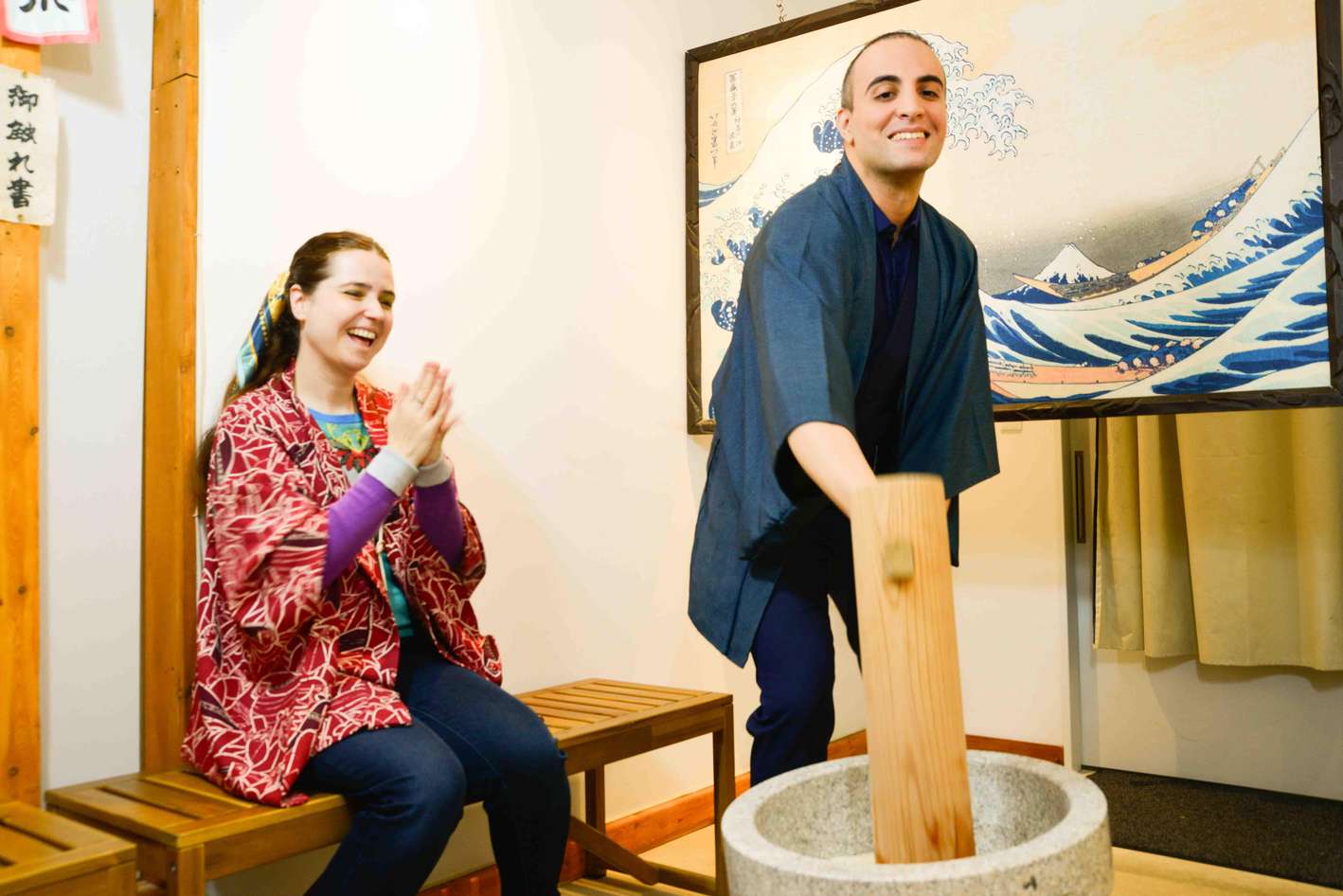
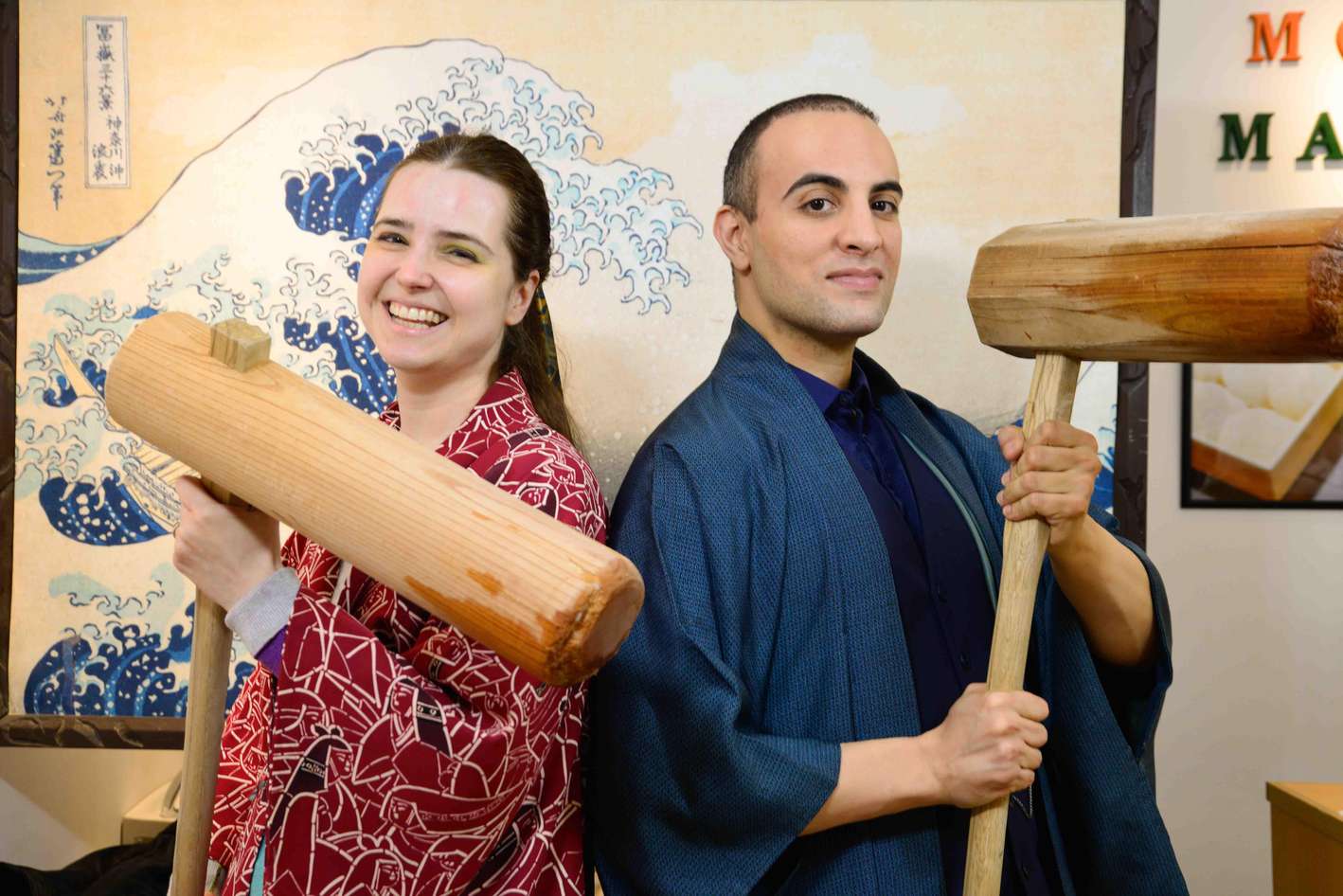
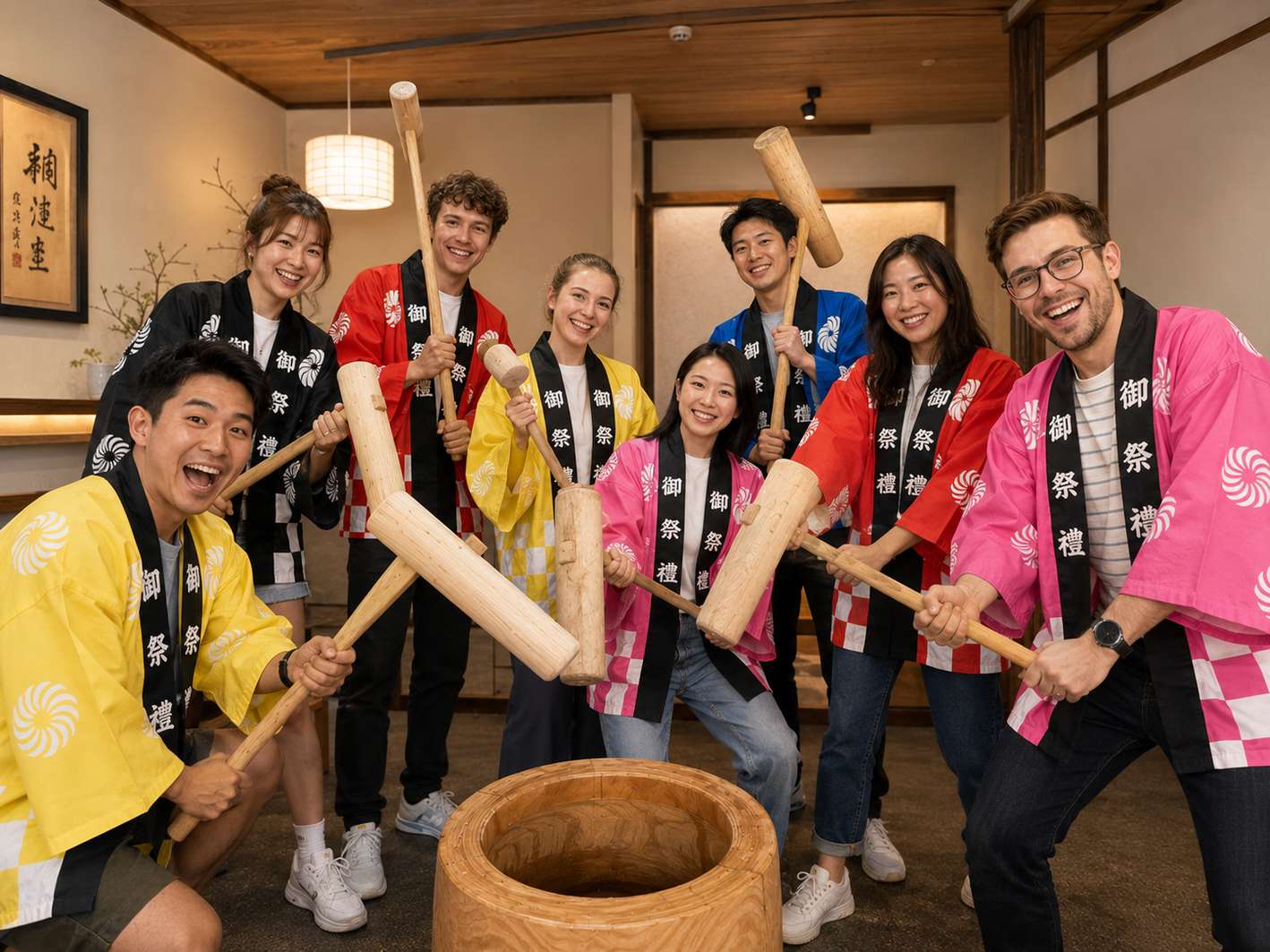
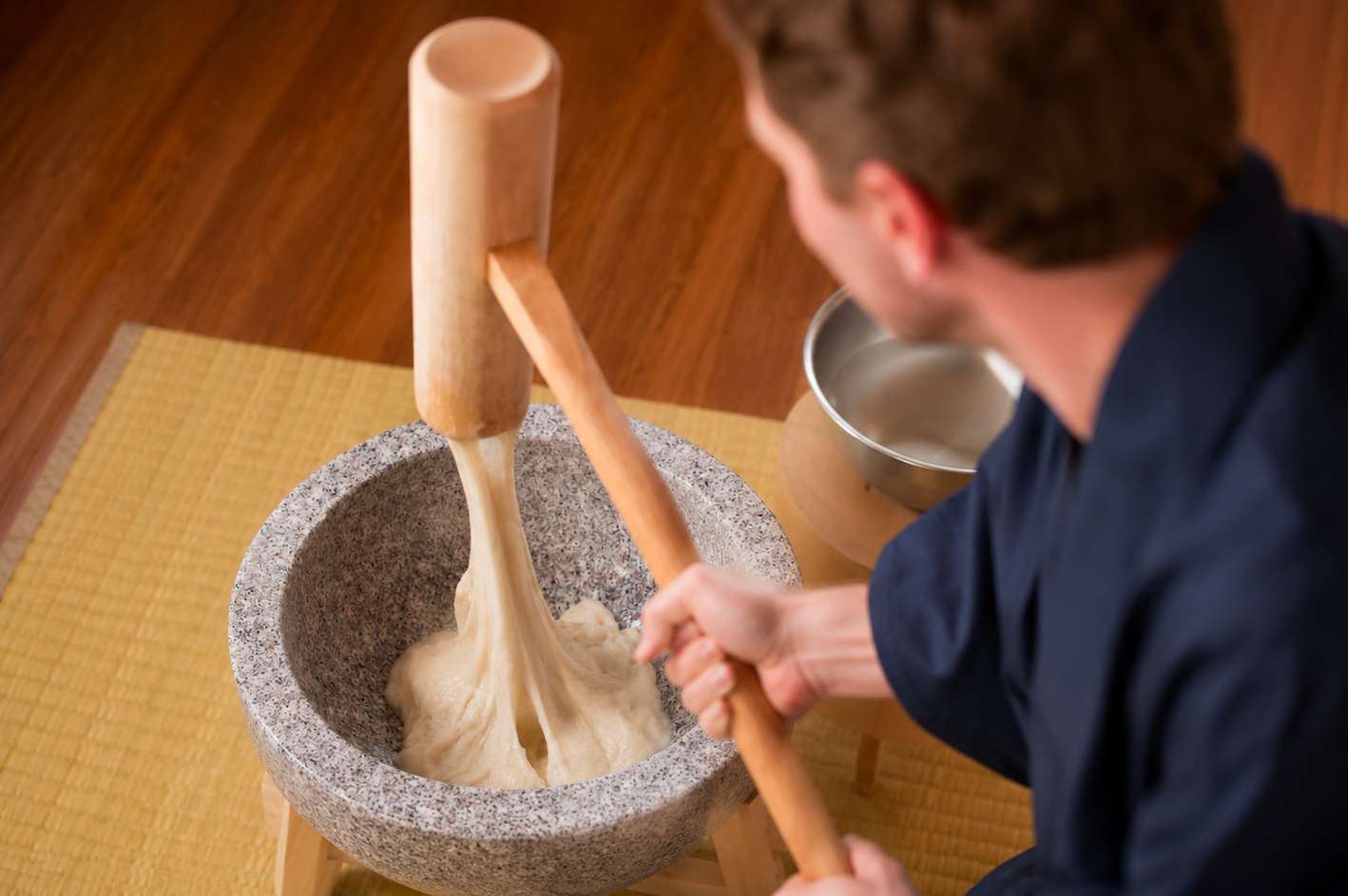
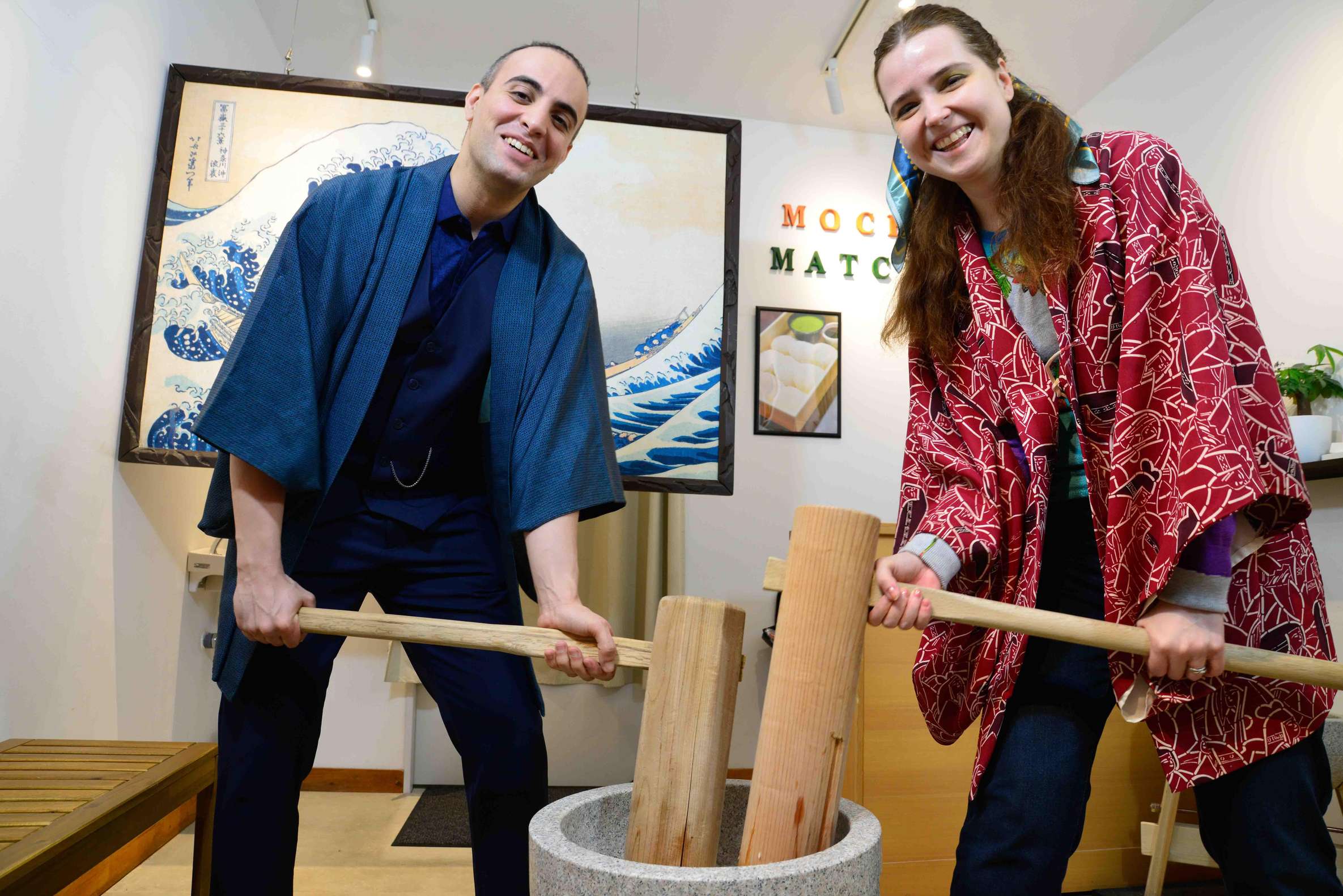
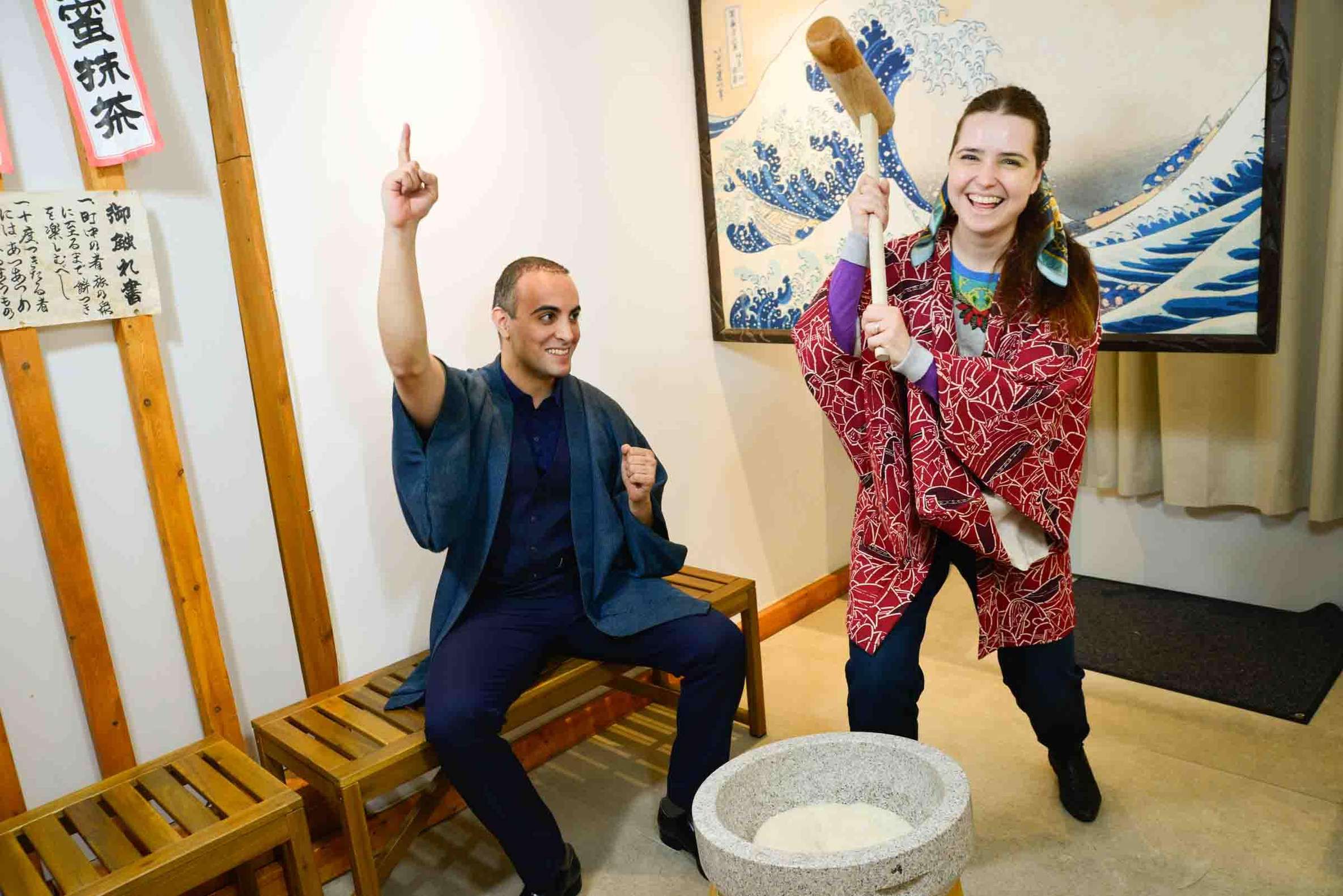
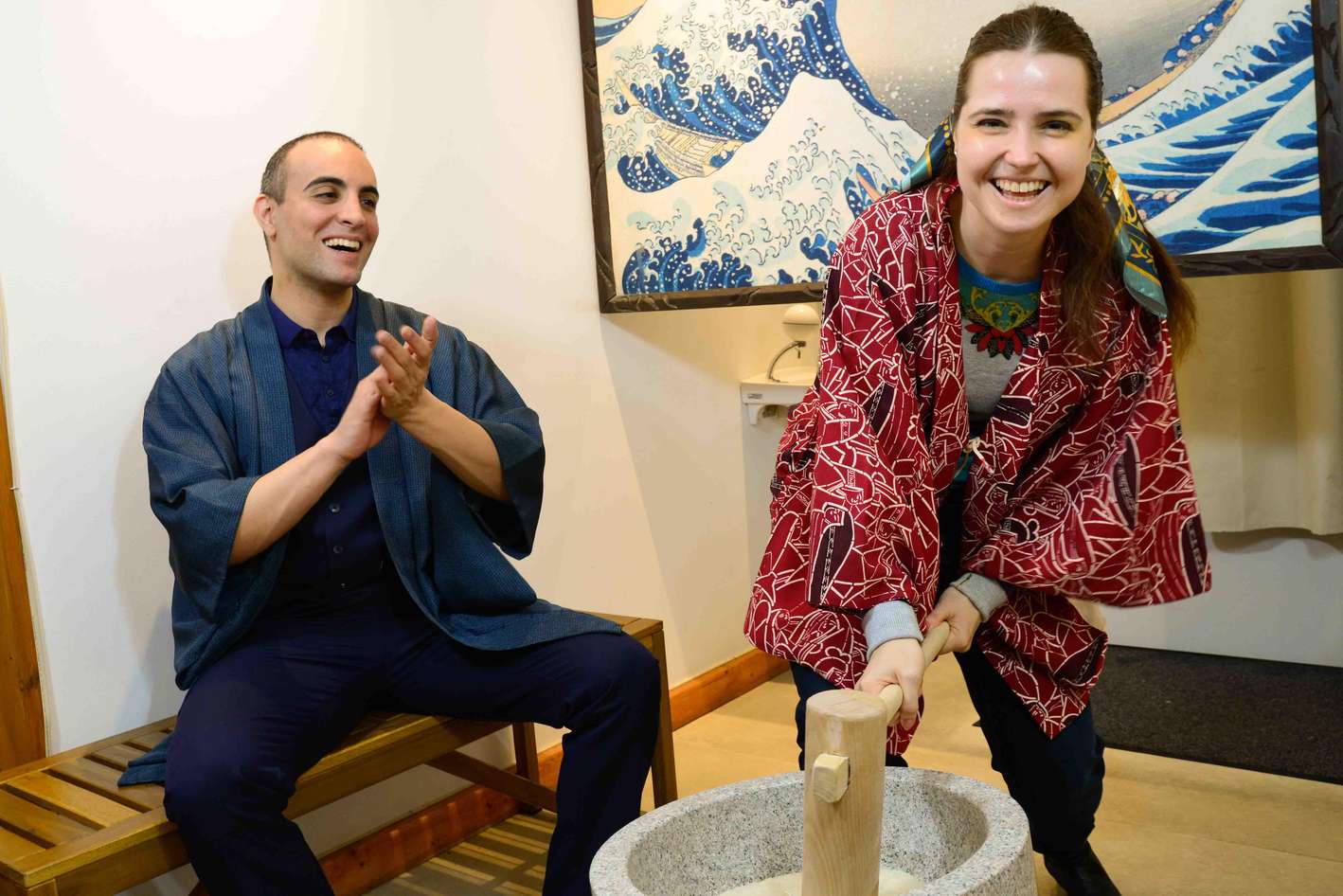
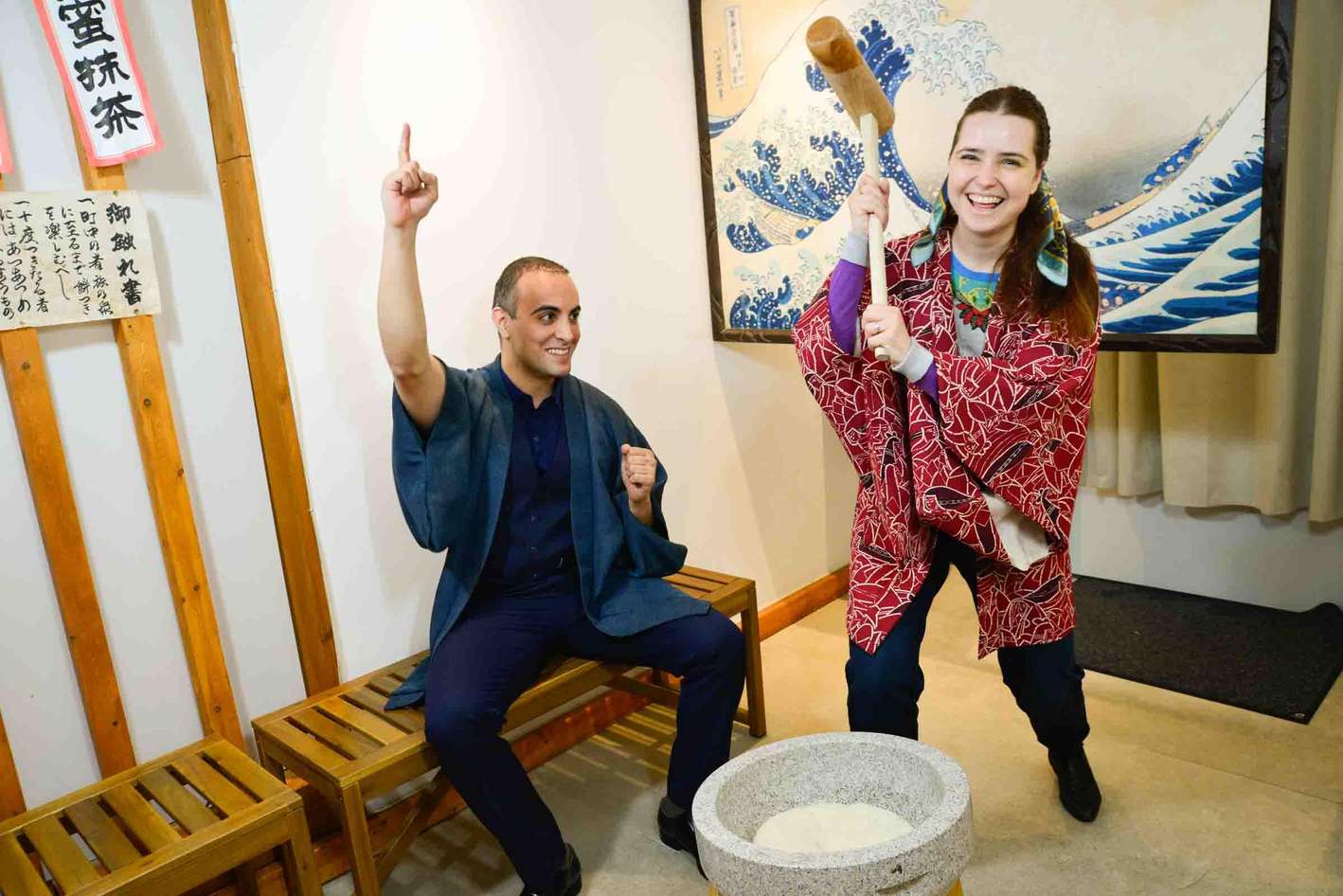
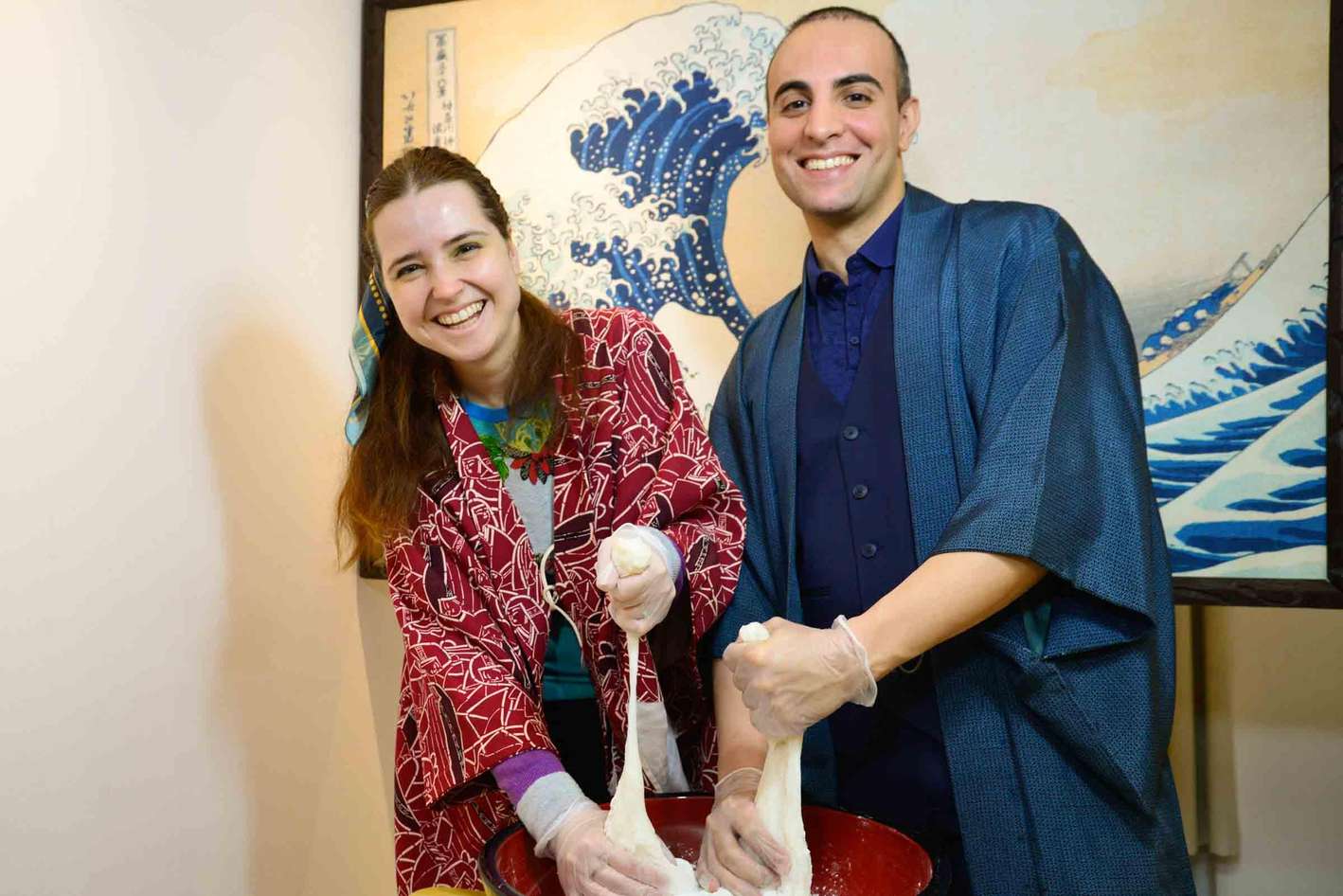
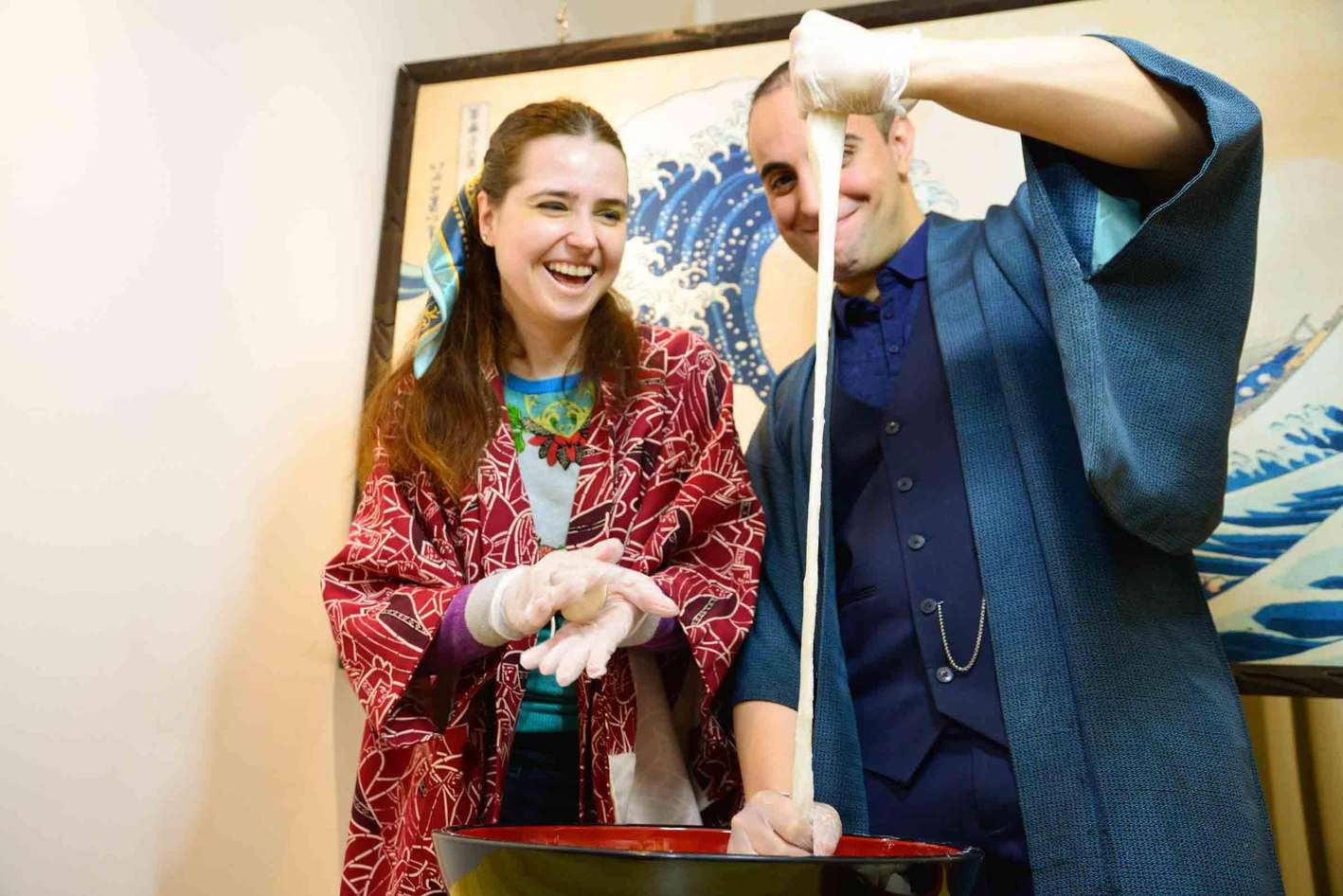
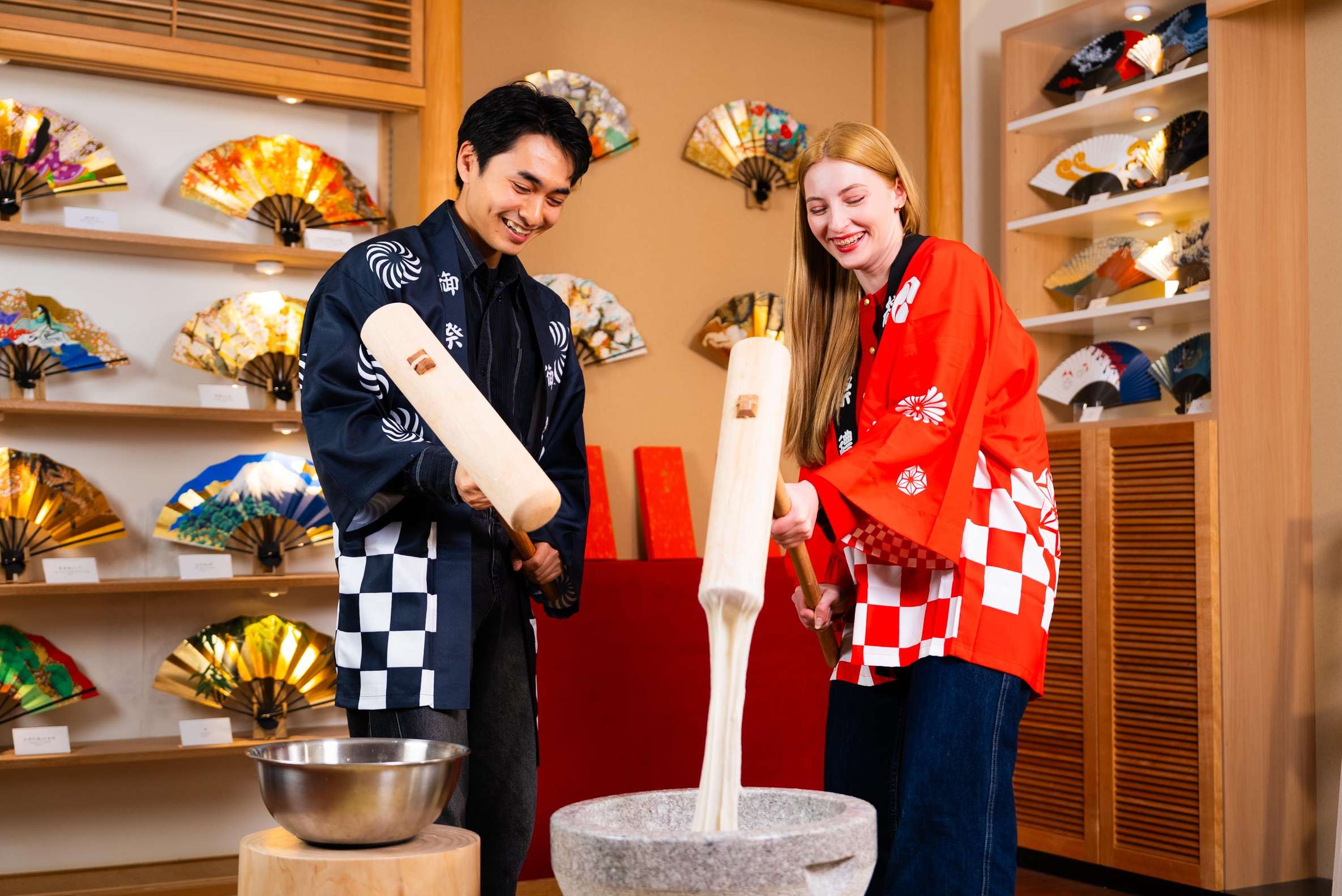
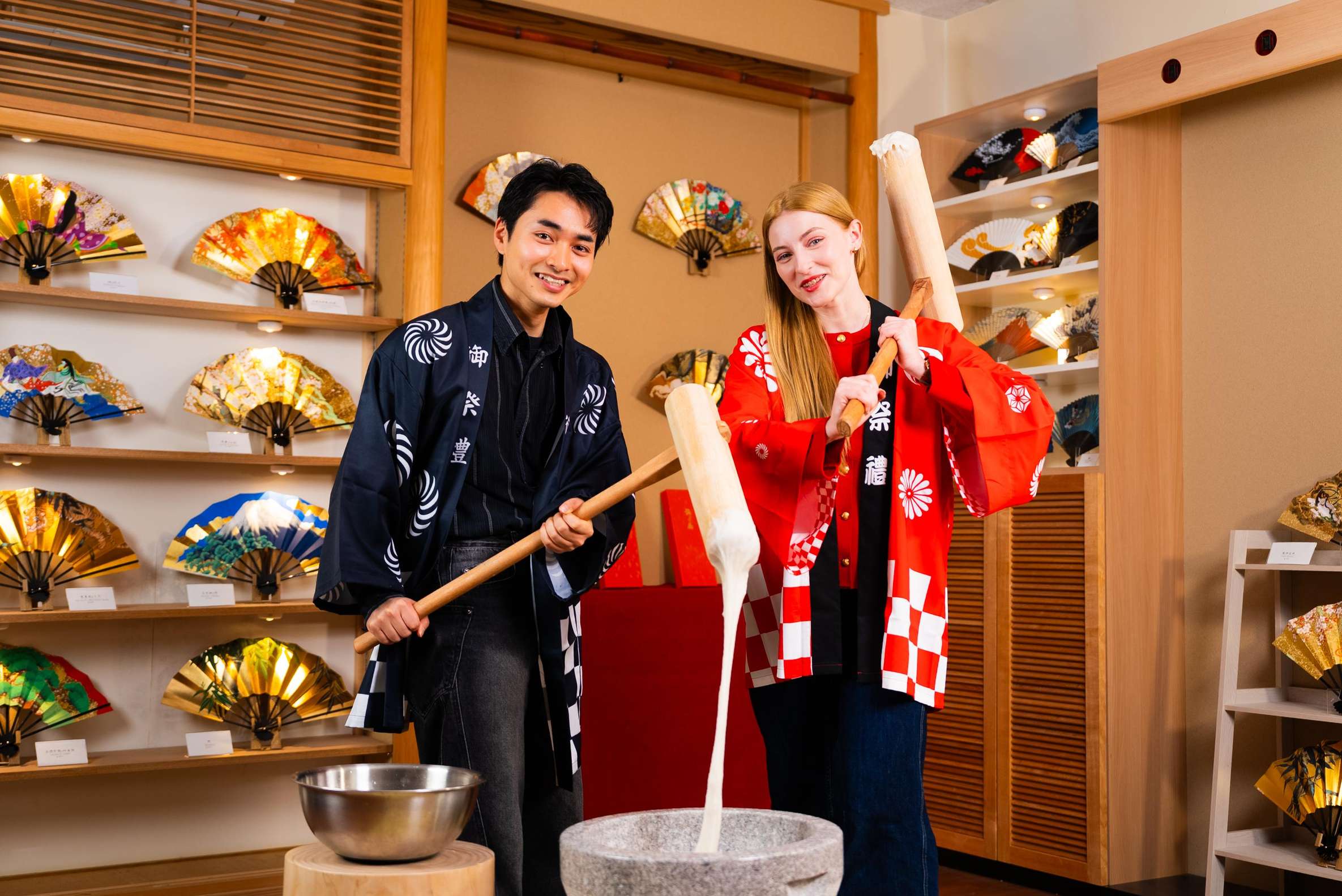
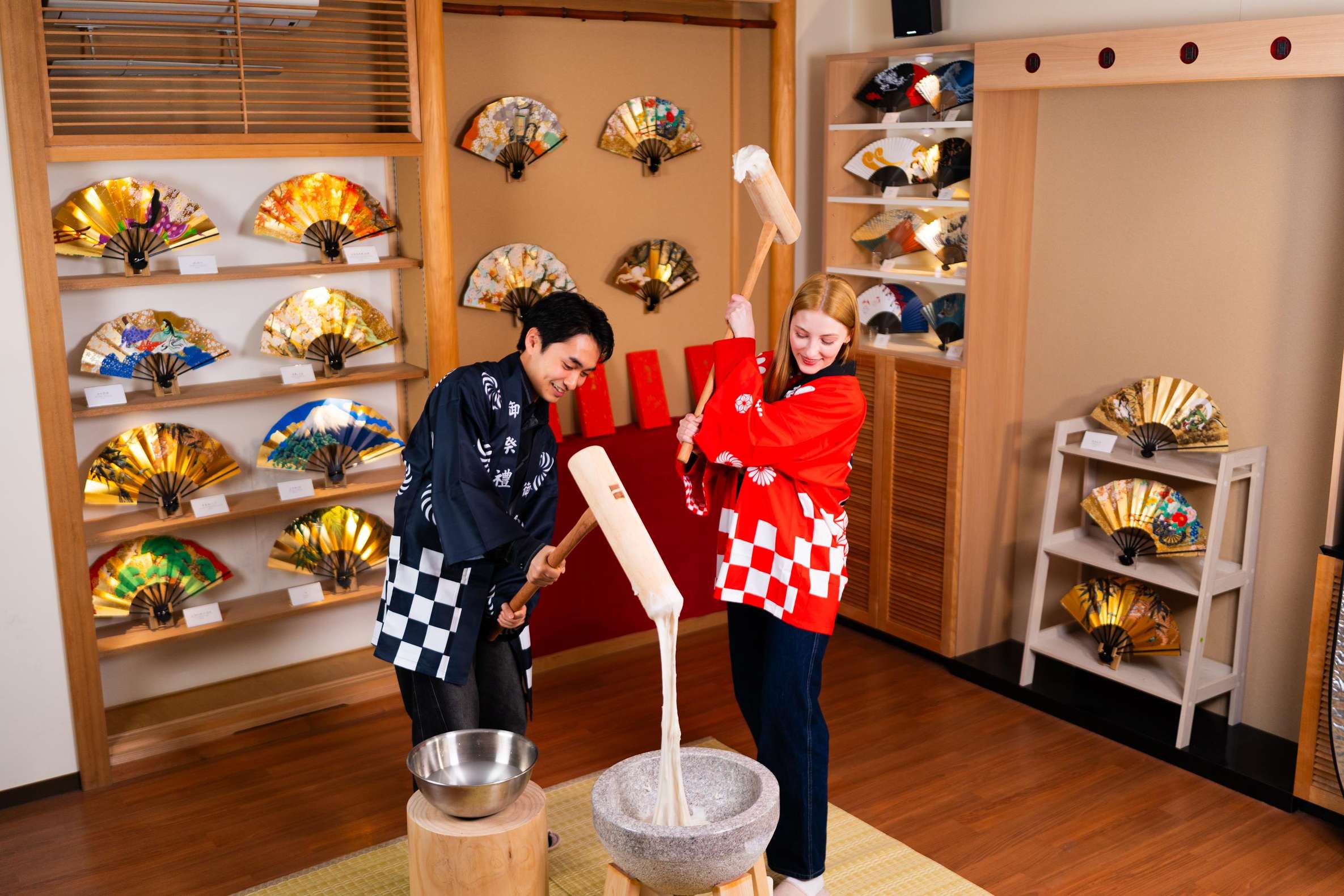
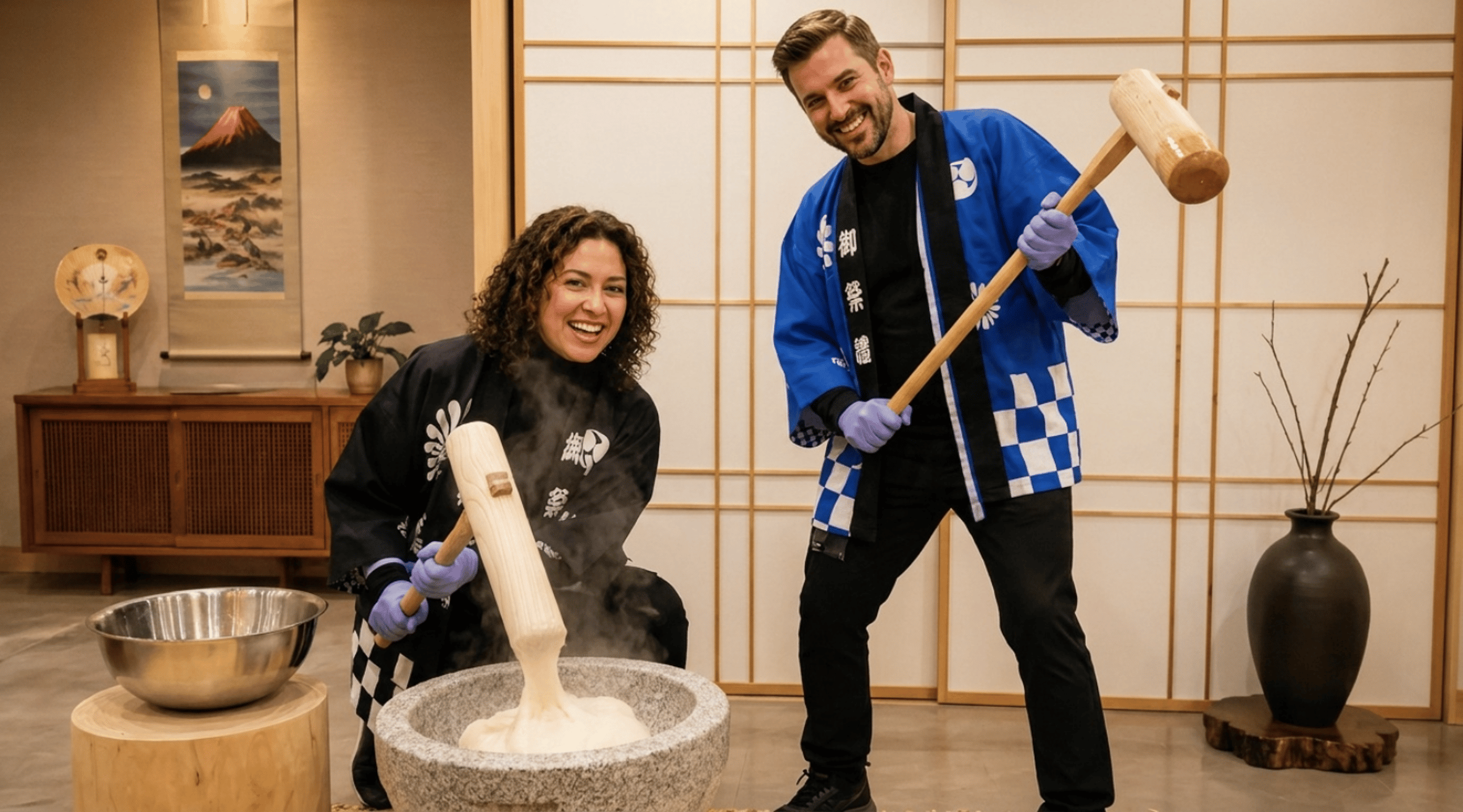
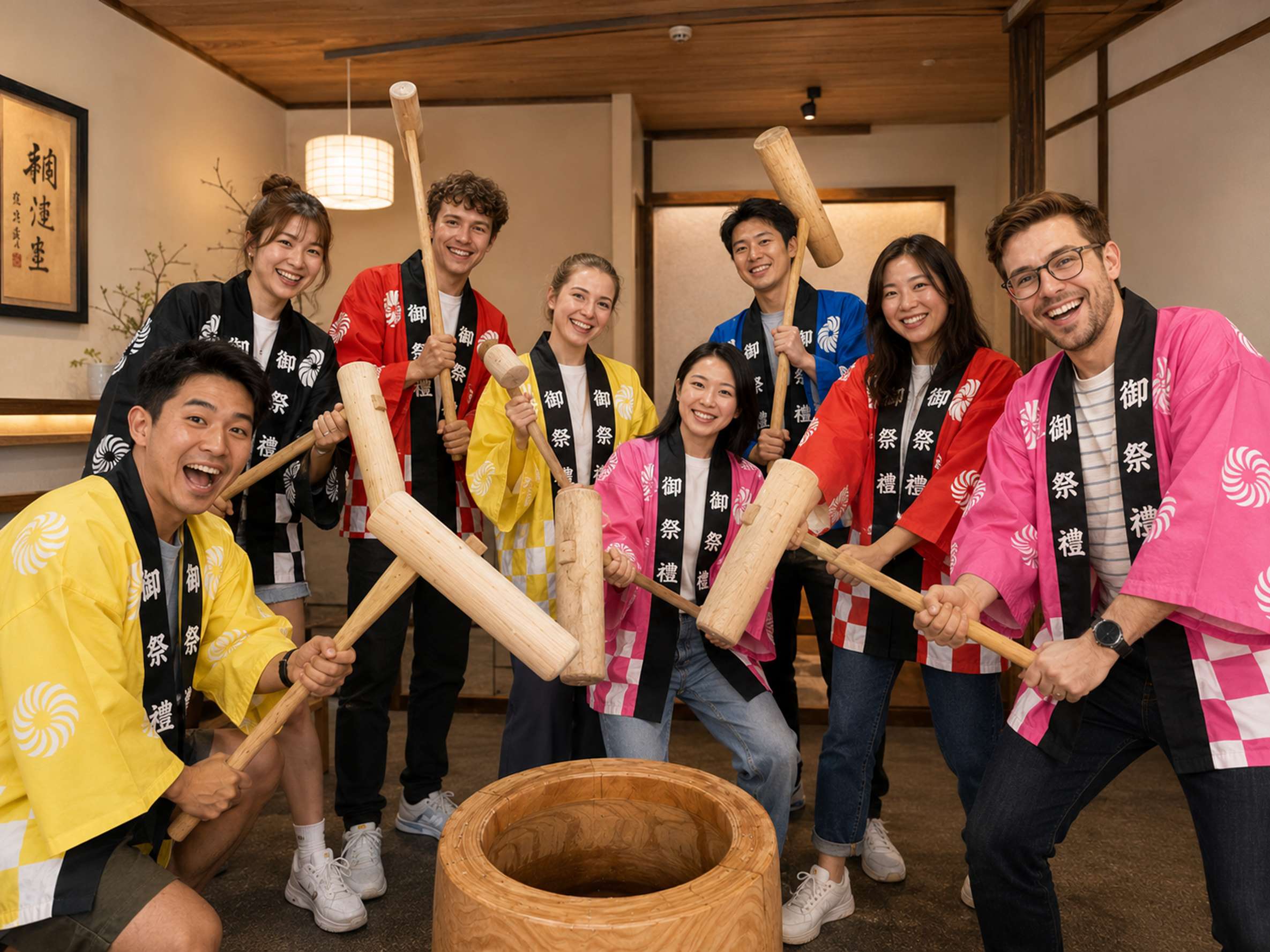
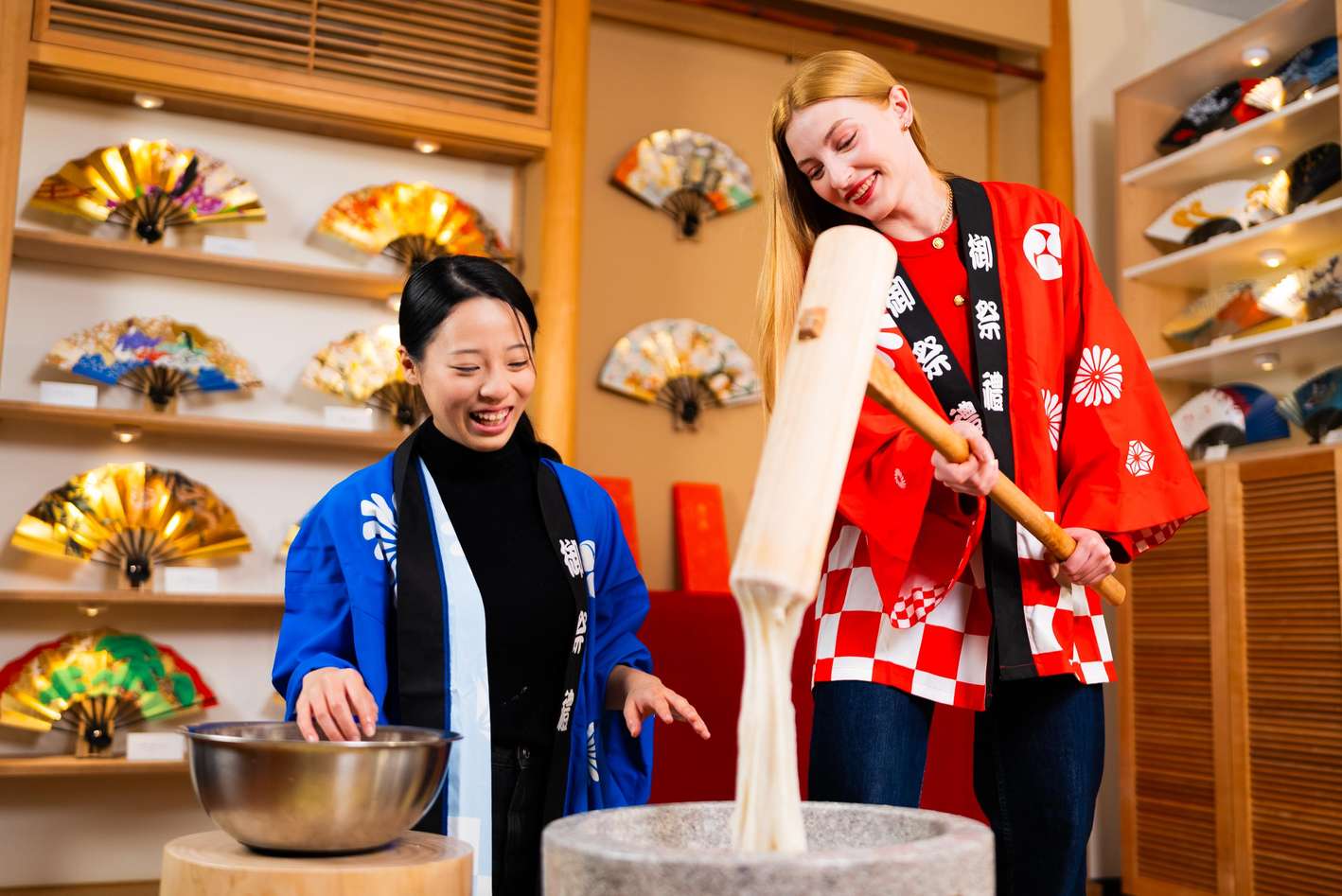
The pounding starts within minutes. You pull on a happi coat, take the wooden mallet and knead steamed glutinous rice in a stone mortar, then pound it while shouting yoisho with every strike.
The shop runs this as a wish-granting ritual: you shout a wish or a personal goal into each swing, and the rice turns into smooth, sticky mochi under the mallet.
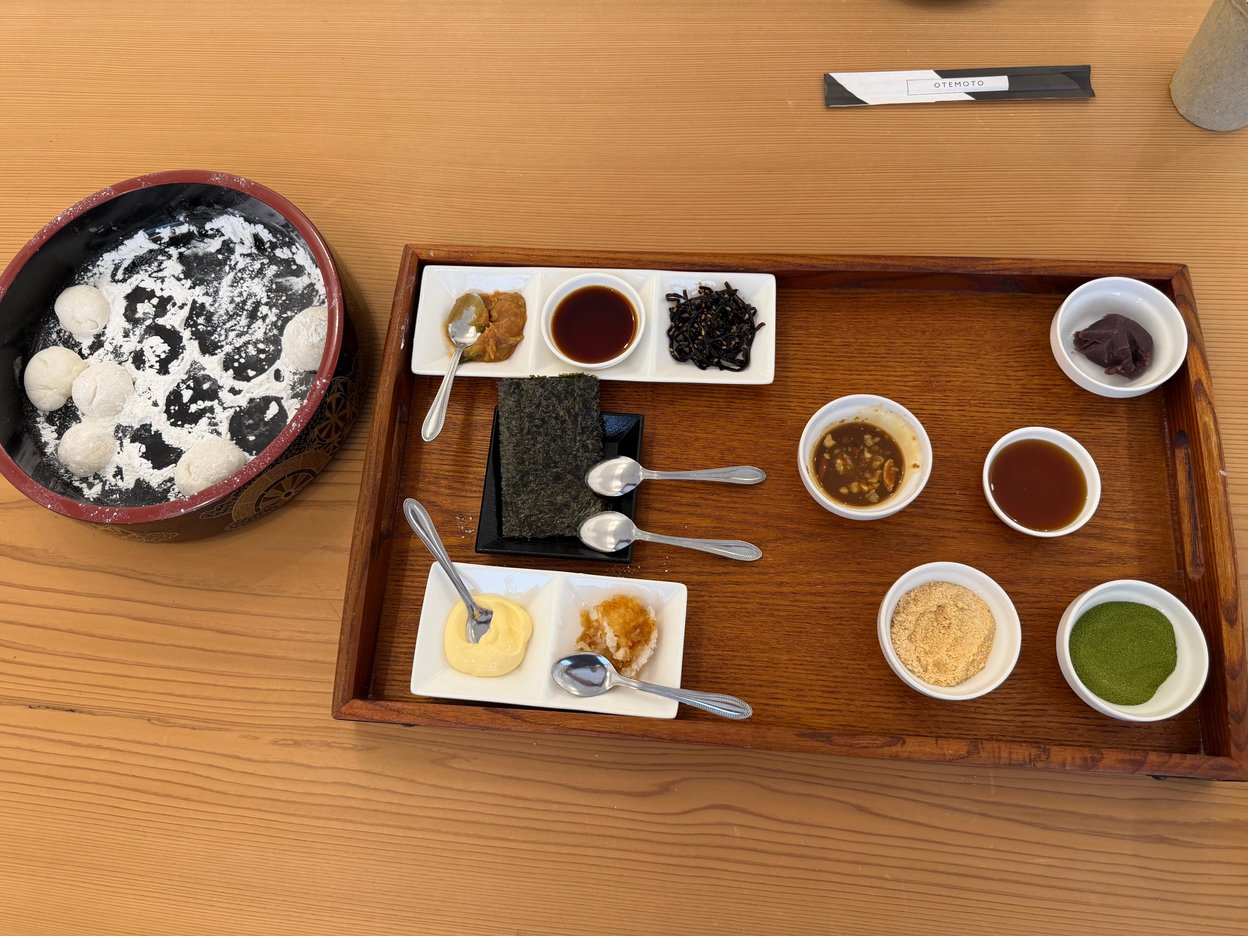
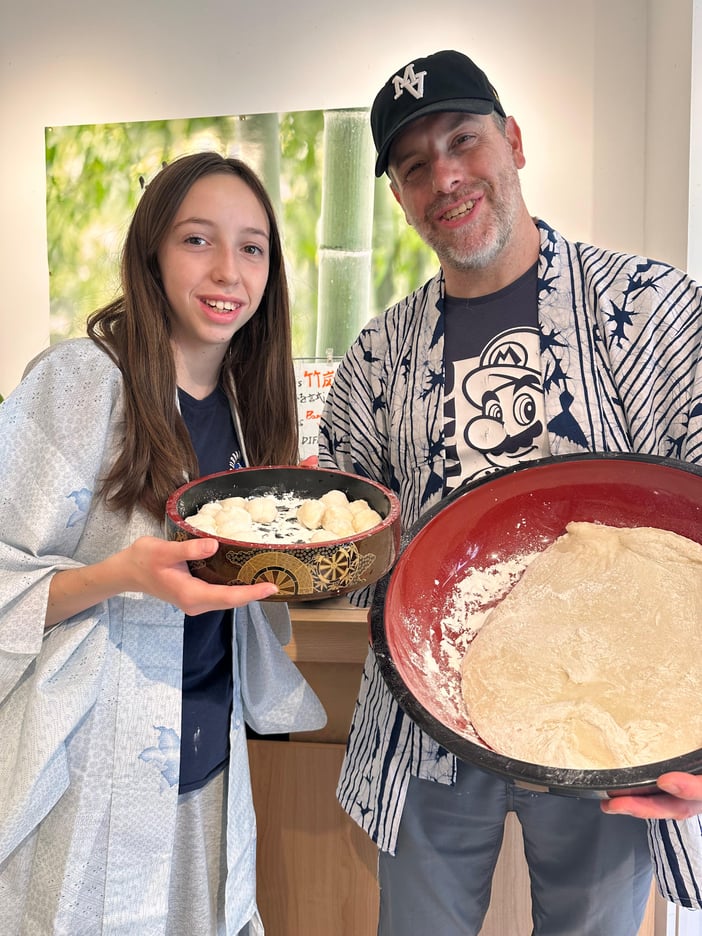
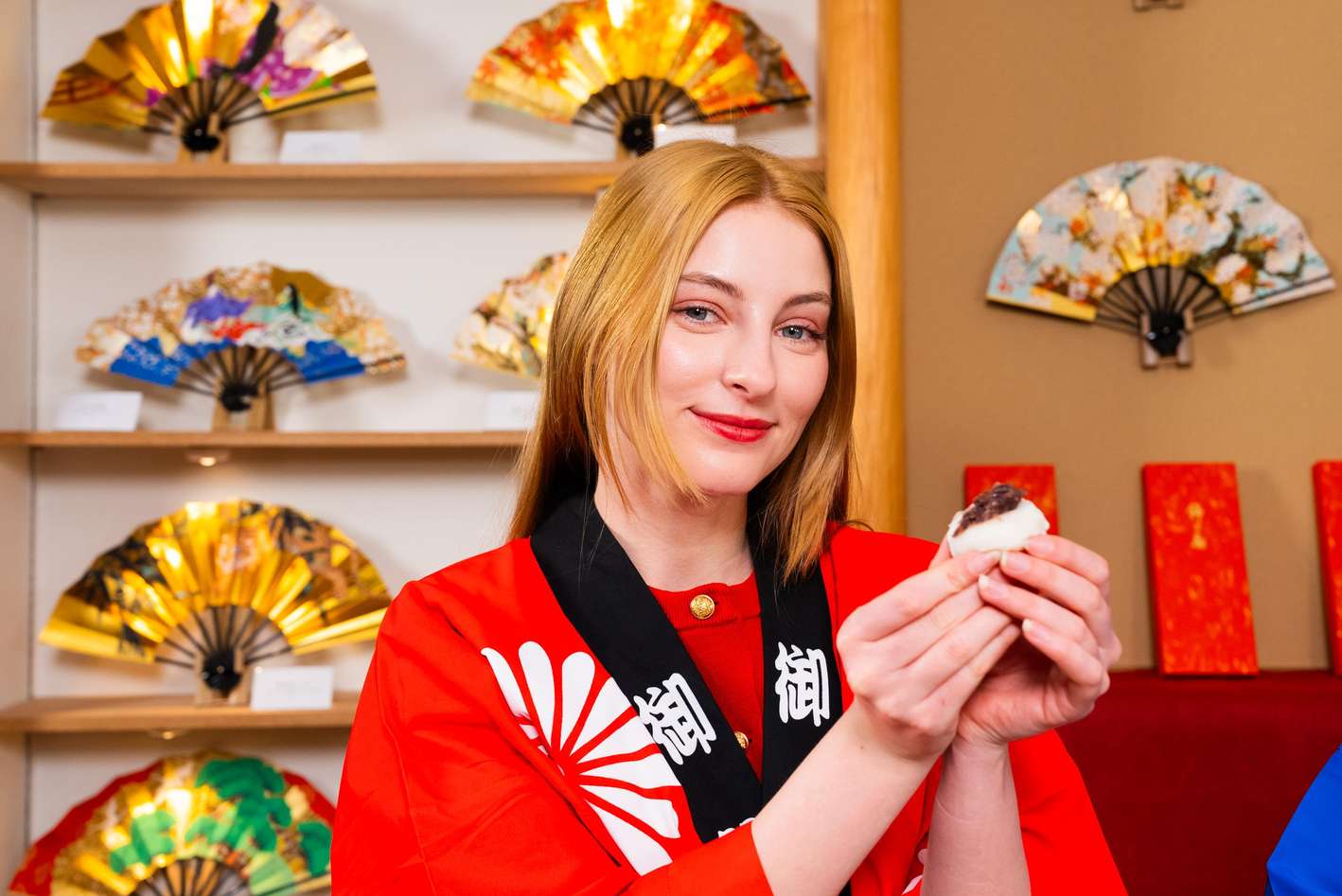
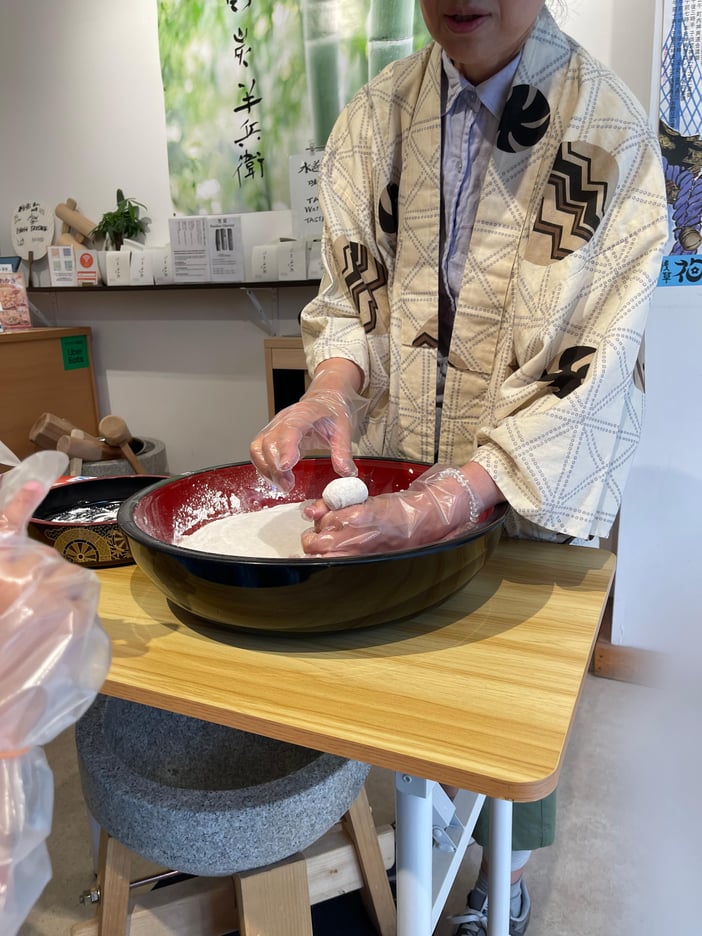
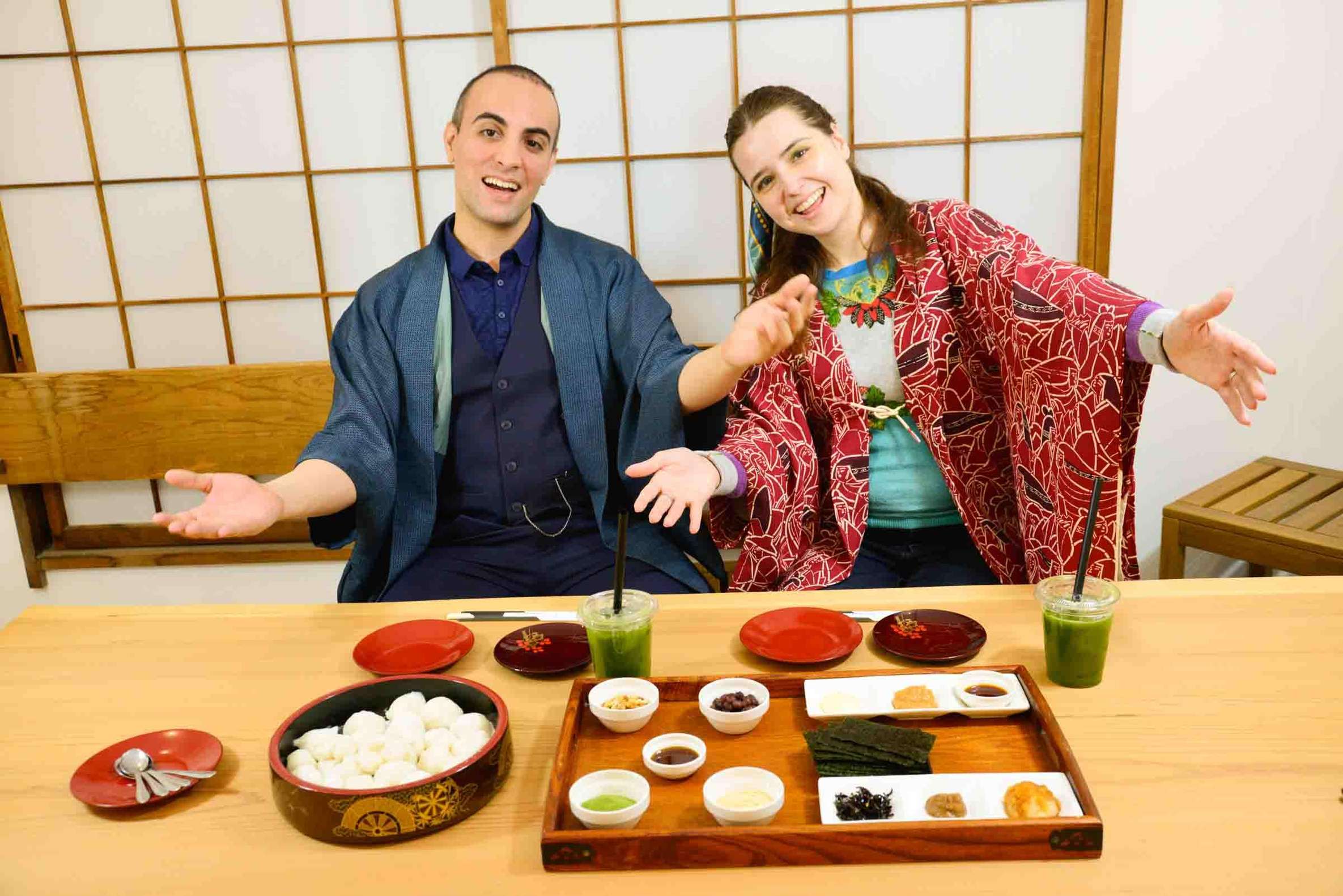
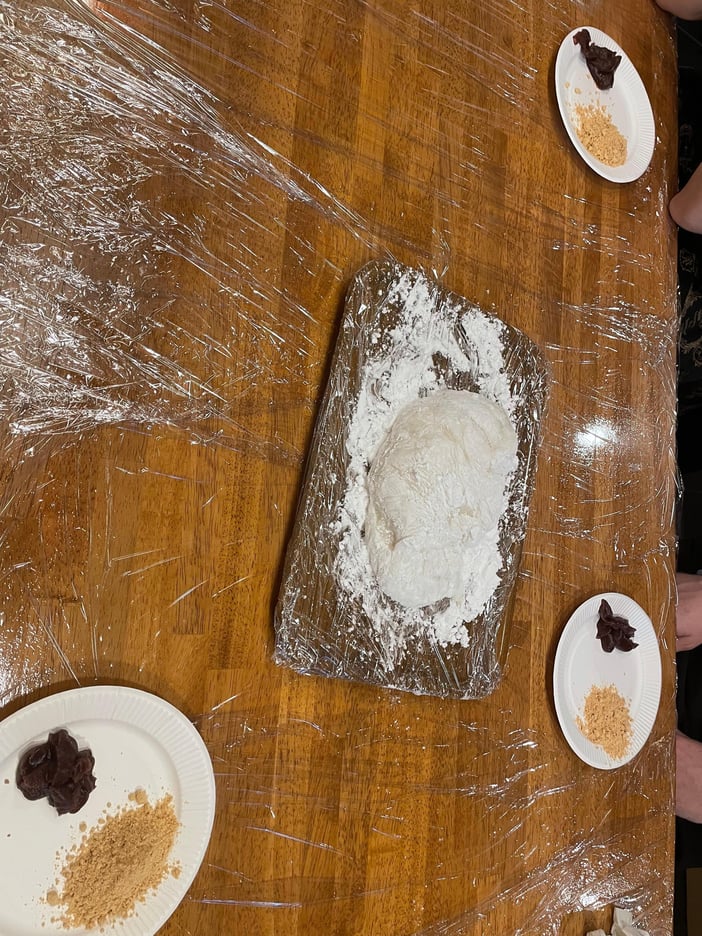
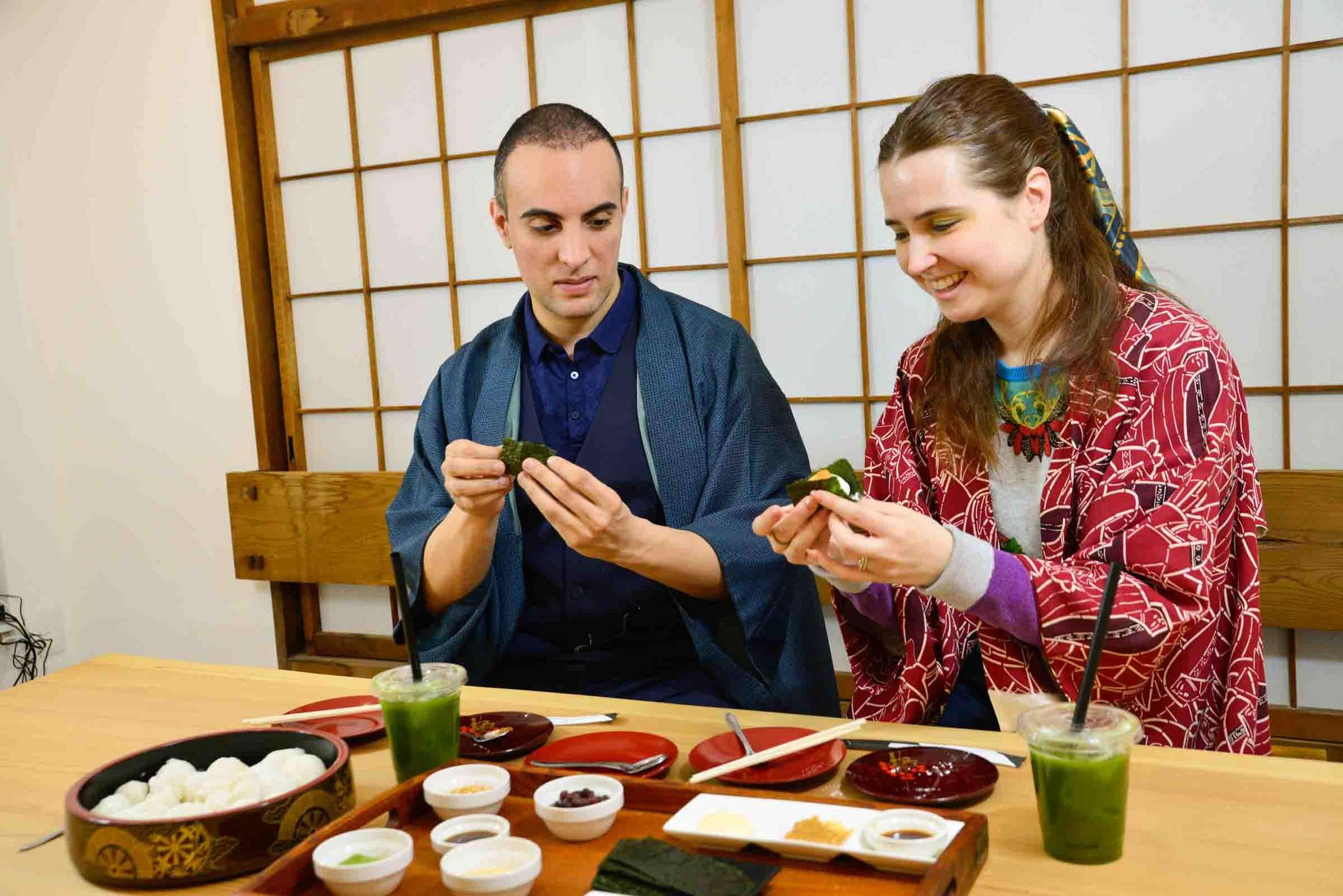
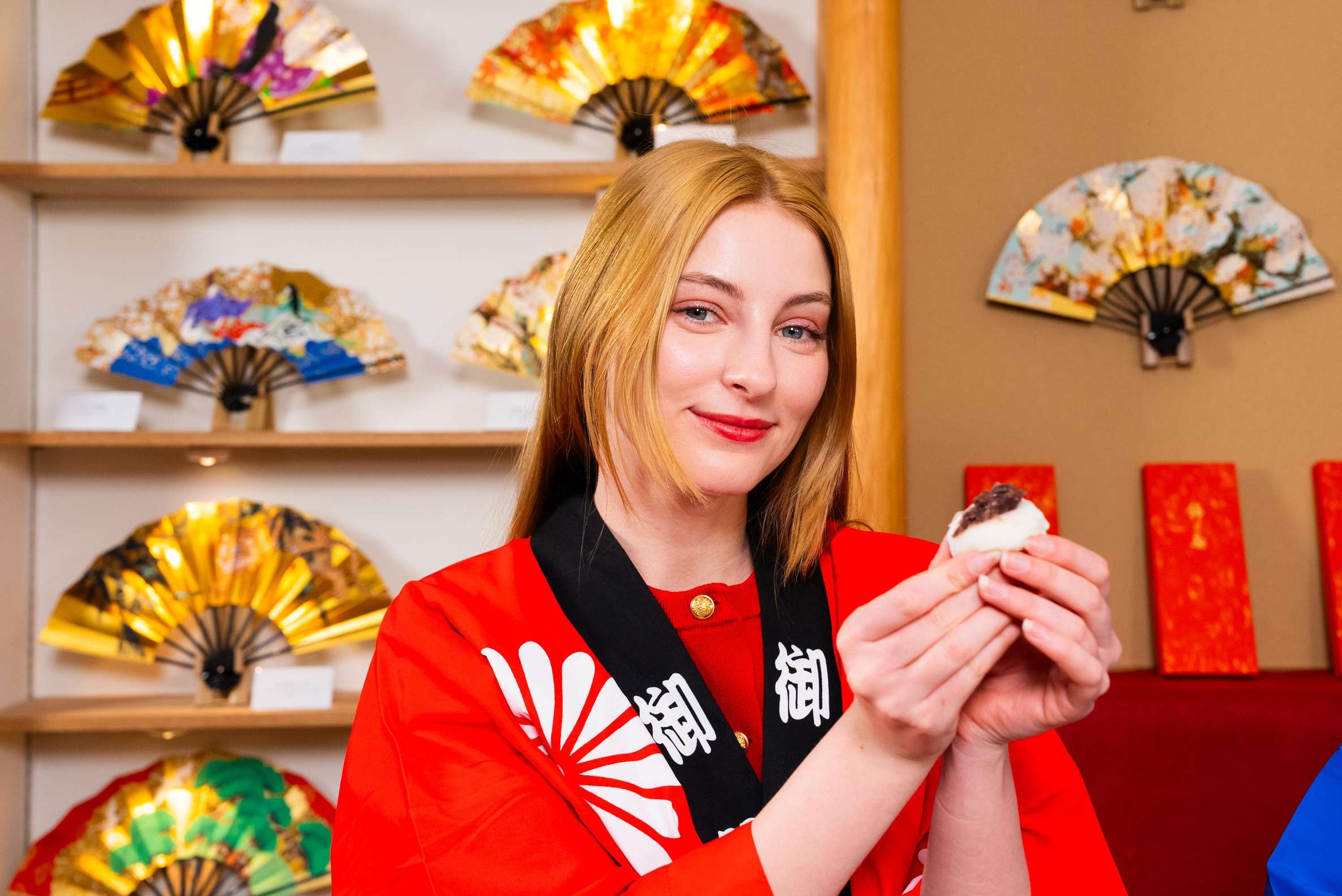
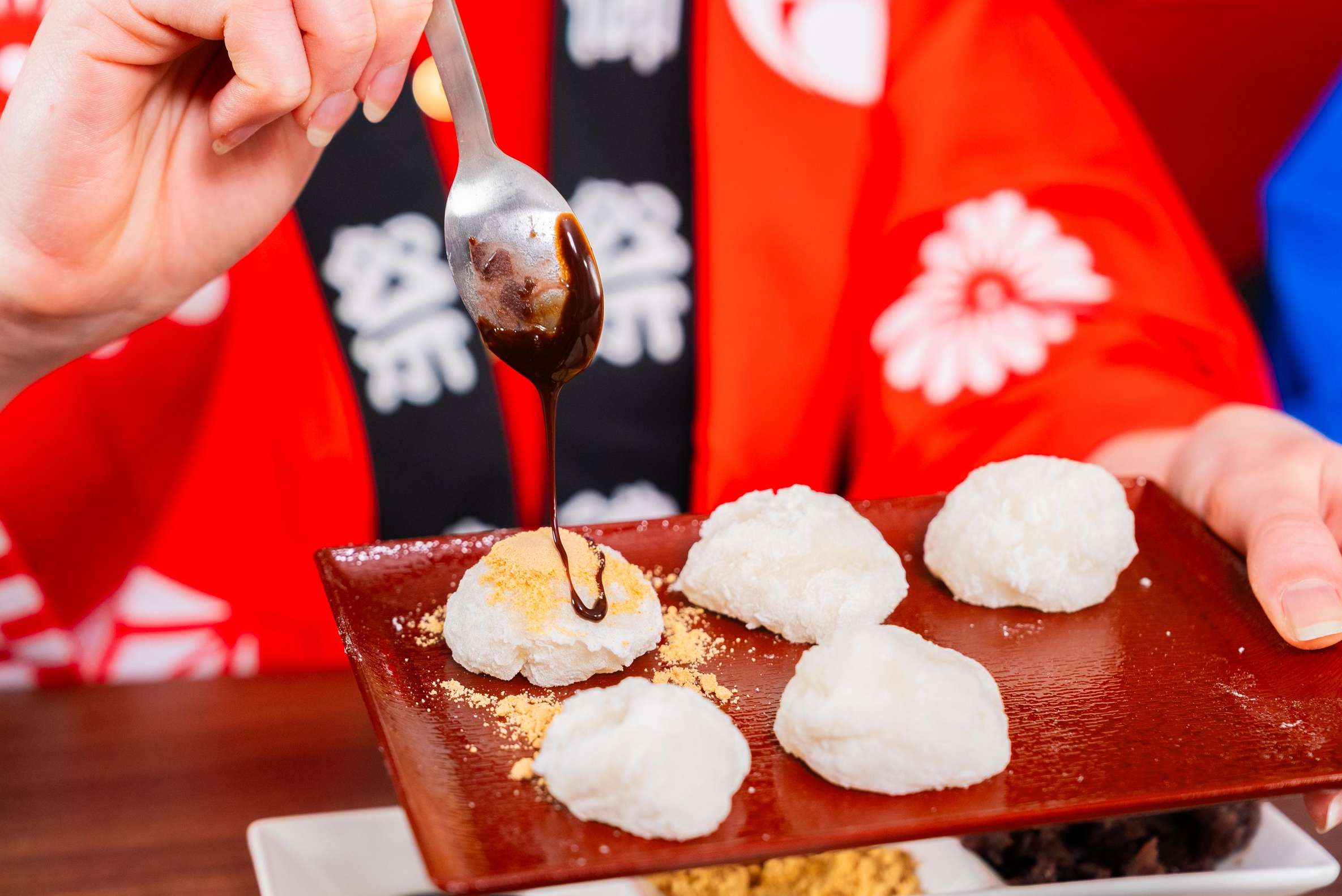
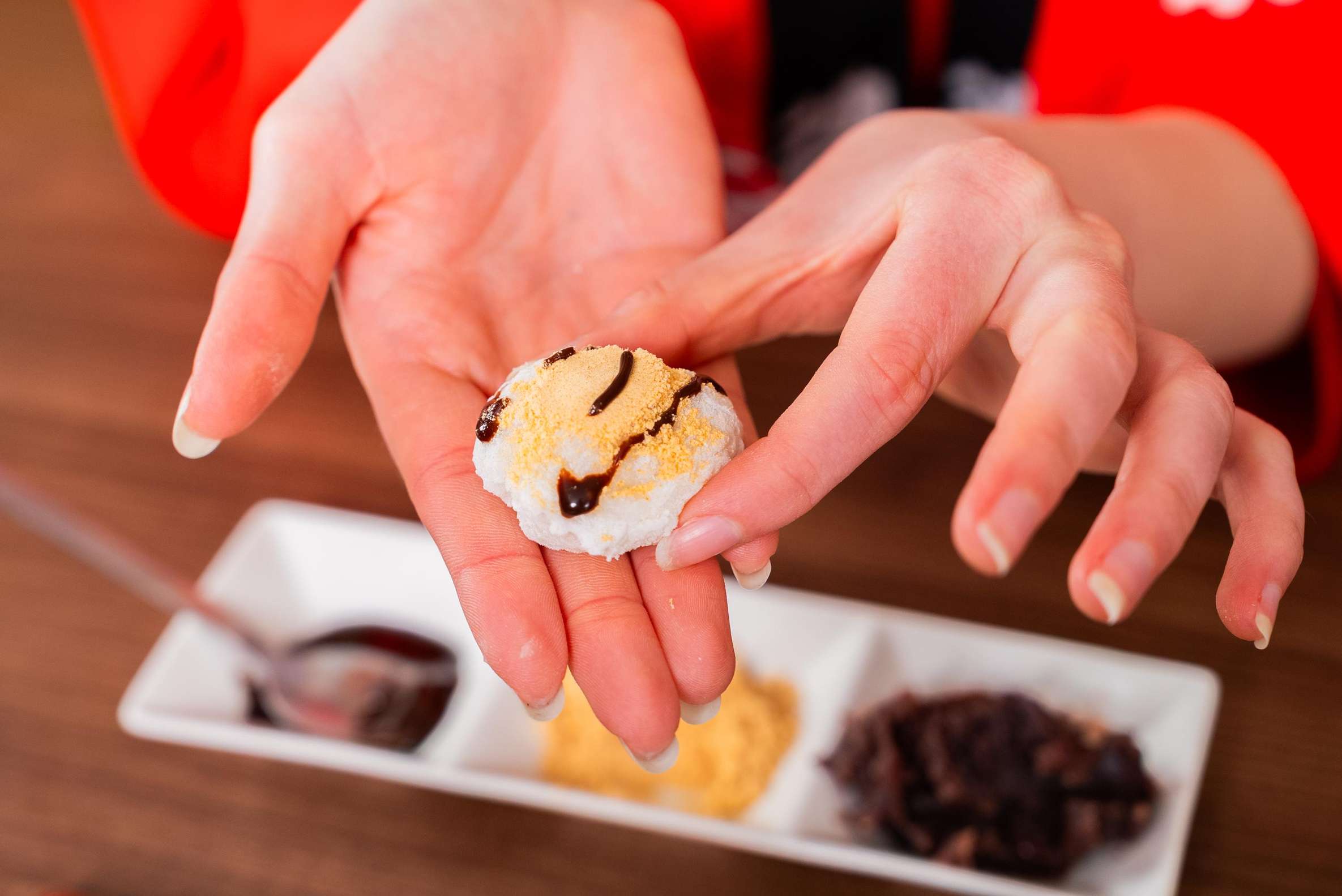
Afterwards you cut the fresh rice cake yourself, split it between what you eat now and what goes home as a souvenir, and try ten flavors from kinako and green tea to black sugar syrup, grated radish and spicy pollack roe mayonnaise. Reserved seats upstairs and a cup of matcha close out the hour.
1Happi coat and welcome· about 5 minYou arrive and put on a happi coat, the traditional shop coat, before getting set up with the tools.2Kneading the steamed rice· about 10 minWith the wooden mallet you knead the glutinous rice, working it before any real pounding begins.3Wish-granting pounding· about 15 minYou pound the rice in a large mortar and shout your wishes or personal goals with every strike, together with the group.4Cutting your own mochi· about 10 minYou cut the freshly made rice cake yourself and divide it in two: one part to eat now, one part as a souvenir.5Ten flavors and matcha· about 15 minYou relax at reserved seats on the second floor with ten flavors to try, from kinako and green tea to kelp and spicy pollack roe mayonnaise, finishing with matcha.6Souvenirs to take home· about 5 minYou leave with the mochi you set aside, packaged to take with you.
Included
A guide to making mochi,mochi to eat on the spot,mochi as souvenirs,pestle,mortar,10 different flavors,
What travelers said about their mochi making class in Tokyo
Most travelers call the guides warm and attentive, explaining every step so the whole family can join in.
Best surprise
Several travelers are surprised how hard pounding the rice is, and how rewarding the warm mochi tastes after.
Most common wish
A few families wish for more sweet flavor options for kids, since savory toppings dominate the tasting.
Booking your mochi making class in Tokyo - steps and tips
01
Pick your date and time slot
Choose a date and a mid-morning start. Weekday rush hour runs from about 7:30 am to 9:30 am, so anything after 9:30 am gets you a calmer ride across the city and leaves your afternoon free.
Pro tipMid-morning slots let you fit a late lunch and more sightseeing after the class
Common mistakeBooking the earliest slot and fighting the peak-hour trains with a hungry group
02
Choose the right option
Three Tokyo workshops cover the search: an Asakusa session a five-minute walk from the Ginza Line station, a traditional class with matcha and several mochi types, and a vegan-friendly Shibuya workshop. Pick by neighborhood and diet first.
ImportantThe Shibuya kitchen contains soy and may have sesame, and it is a shared kitchen, so flag allergies before you book
03
Pay and get your confirmation
Book online and you can cancel up to 24 hours in advance for a full refund on all three tours. Confirmation arrives by email with the meeting point details, so check your inbox before you close the tab.
Common mistakeBooking a same-day session without reading the meeting point, then guessing the address on foot
04
Get ready for the day
Wear loose clothes you don't mind getting dusty and flat slip-on shoes, since you take outdoor shoes off at the entrance. A happi coat is provided, hosts take photos for you, and the pounding itself counts as light exercise.
RecommendedBring your phone for photos of your group taking turns with the mallet
ImportantThe Shibuya workshop does not accept children under 5, so check ages before you confirm
05
Arrive and join in
Show up a few minutes early with your voucher on your phone. Every guest pounds and tastes; entry is never observation only, so expect to hold the mallet and shout yoisho with the group.
Pro tipIn Asakusa each group gets its own mortar, mallet and rice, so nobody shares tools between groups
What to know before booking a mochi making class in Tokyo
Can stop the dayGood to knowGood news
01
ChoosingWhat it is, who it suits, when to go
4
Timing
Plan on about one hour from orientation through pounding, shaping and tasting. Mid-morning works best: the weekday subway rush runs roughly 7:30 am to 9:30 am, so travelling after 9:30 am is quieter. A mid-morning session still leaves room for lunch and afternoon sightseeing.
Toppings
Come hungry. Tastings run from sweet kinako roasted soybean flour and anko red bean paste to savory soy sauce and grated daikon, and the Asakusa session includes ten different flavors with your mochi and a matcha finish.
Dietary needs
The Shibuya workshop prepares ingredients without wheat, dairy or eggs and serves wheat-free tamari and plant-based toppings. It contains soy and may contain sesame, and the shared kitchen is not a dedicated allergen-free facility. Tell the host about any restriction before the session date.
Language
All three workshops run in English, with hosts who explain each step clearly. No prior cooking experience is needed; beginners knead the steamed rice before they ever lift the mallet.
02
BookingHow far ahead, and what happens if plans change
2
BookingCan stop the day
Every Tokyo workshop here is a reserved, participatory session, so book ahead and turn up ready to pound. Observation-only entry is not permitted at the Asakusa studio, for hygiene reasons. Everyone who enters counts as a participant.
Cancellation
All three Tokyo workshops let you cancel up to 24 hours in advance for a full refund. That makes it easy to hold a slot while you finalise the rest of your Tokyo itinerary.
03
Before you goPapers, health, what to bring
3
Age limitsCan stop the day
Minimum ages differ by workshop, so check before booking with children. The Shibuya session does not accept children under 5, and other Tokyo classes list starting ages that vary between younger kids and teens. Adults can always book solo.
Health limits
One Tokyo experience lists pregnant women, and people with back or heart problems, as not suitable for the pounding session. Pounding is active physical work with a heavy wooden mallet. If any of that applies to you, choose a session that fits, and mention conditions when you book.
What to wear
There is no formal dress code, but wear comfortable clothes and shoes you do not mind getting dusty with starch. Outdoor shoes come off at the entrance, so slip-ons and clean dark socks help. Studios provide a traditional happi coat to wear over your clothes.
04
On the dayWhere to be, when, and how you get there
1
Meeting point
The Asakusa studio sits a five-minute walk from Asakusa Station on the Ginza Line, so you can pair it with the temple district around it. The Shibuya and other central sessions are also reached easily by subway. Allow the walk time plus ten minutes to arrive early.
05
During the tourWhat is expected of you
2
Photos
Bring your phone for pictures of your group taking turns at the mortar. In Shibuya the host takes photos for you and sends them after the session, and happi coats make for good pictures everywhere.
Eating safety
Fresh mochi is soft, warm and very sticky, so cut it into small bites and chew thoroughly, with tea at hand. Take leftovers back to your hotel the same day and keep them at room temperature, never in the refrigerator, where cold hardens the starch.
The making class in Tokyo that lets you swing the mallet yourself
The viral high-speed mochi pounding videos were shot in Nara. Tokyo answers with studio classes where you pound, shape and eat the mochi yourself; booking ahead, dressing for the starch and eating safely are what decide the hour.
Tokyo
If you only remember three things
1
Book ahead: the Asakusa studio asks for reservations at least two days in advance, and nobody is admitted to watch only.
2
Plan on about 1 hour from arrival to the last piece of warm mochi, so it slots between temples and lunch.
3
Cut fresh mochi into small bites and chew slowly with tea nearby; it is sticky enough to be a real choking hazard.
Why there's no street show - booking a making class in Tokyo
The storefront with the giant mallet and the cheering crowd is real, but it stands in Nara. In Tokyo there is no permanent street-side pounding spectacle to stumble into, and travelers who go looking for one come back with the same advice: stop searching the pavements and book a workshop instead.
That is how the city does it. Hands-on studio classes are the primary way to experience mochi pounding in Tokyo, in neighborhoods like Asakusa and Shibuya.
A few one-off performances do exist: mochi is pounded on a stage at Zojoji Temple during the Setsubun ceremony, at Sumoland in Ryogoku sumo wrestlers demonstrate it, and a restaurant at Tokyo Tower includes pounding in its show if seats are free. Some hotel performances run on January 1 only.
For an actual class, book ahead. The traditional mochi-making experience at the Asakusa studio asks for reservations at least two days in advance, and for hygiene reasons nobody can enter just to watch. You pound or you do not come in.
What people get wrong about pounding in Tokyo
MythTokyo has a famous street shop where they pound mochi at high speed for crowds
Reality
That shop is Nakatanidou in Nara, a 40-minute train ride from Kyoto
MythYou can watch a mochi demonstration in Tokyo without paying
Reality
Tokyo's mochi pounding happens in booked studio classes; a few ticketed one-off performances run at temples and hotels
MythBooking on the day is fine
Reality
The Asakusa studio asks for reservations two days ahead, and walk-ins are not admitted to observe
So the plan is simple: book a studio class in Asakusa or Shibuya, and the mallet is yours.
Tour for this
Tokyo Asakusa: Mochi Pounding and Tasting Experience4.9★ (88) · 1 hour · Free cancellation
Choosing between Tokyo mochi making class workshops
Three formats cover the city, and they suit different trips. The private Tokyo Asakusa: Mochi Pounding and Tasting Experience is the full ritual: knead steamed rice, pound it with a wooden mallet in a stone mortar, shout yoisho with every strike, then cut your mochi and split it between a plate and a souvenir box.
It runs as a private session, and each group keeps its own mortar, mallet and rice, so nothing is shared between groups.
The Tokyo: Traditional Mochi Pounding Experience & Tasting works from a friendly local chef's kitchen. You still pound, but the hour also takes in several types: red bean mochi, mochi ice cream, grilled mitarashi dango and shaped wagashi. It is the friendliest format for mixed groups and solo travelers, and it is not wheelchair accessible.
All three are one-hour experiences. Pick by base and appetite: Asakusa for the ritual, the chef's class for variety, Shibuya for the plant-based set.
Three Tokyo workshops, side by side
Asakusa private ritual
Local chef's class
Shibuya vegan session
Format
Private pounding ritual with ten toppings
Small class with several mochi types
Guided group workshop
What you do
Knead, pound, shout yoisho, cut and shape
Pound, shape and fill red bean, ice cream, mitarashi and wagashi
Pound in a stone usu mortar
Dietary fit
Wide range of flavors, sweet and savory
Tell the host your restrictions before the date
Plant-based, wheat-free tamari, contains soy
Setting
Five minutes from Asakusa Station on the Ginza Line
Local chef's kitchen; not wheelchair accessible
Shibuya studio
Asakusa private ritual
Format
Private pounding ritual with ten toppings
What you do
Knead, pound, shout yoisho, cut and shape
Dietary fit
Wide range of flavors, sweet and savory
Setting
Five minutes from Asakusa Station on the Ginza Line
Local chef's class
Format
Small class with several mochi types
What you do
Pound, shape and fill red bean, ice cream, mitarashi and wagashi
Dietary fit
Tell the host your restrictions before the date
Setting
Local chef's kitchen; not wheelchair accessible
Shibuya vegan session
Format
Guided group workshop
What you do
Pound in a stone usu mortar
Dietary fit
Plant-based, wheat-free tamari, contains soy
Setting
Shibuya studio
Read down the rows and two things settle the choice: where your hotel sits, and what you eat. The neighborhood picks the studio as often as the format does.
What you do in a Tokyo making class - mallet and mortar
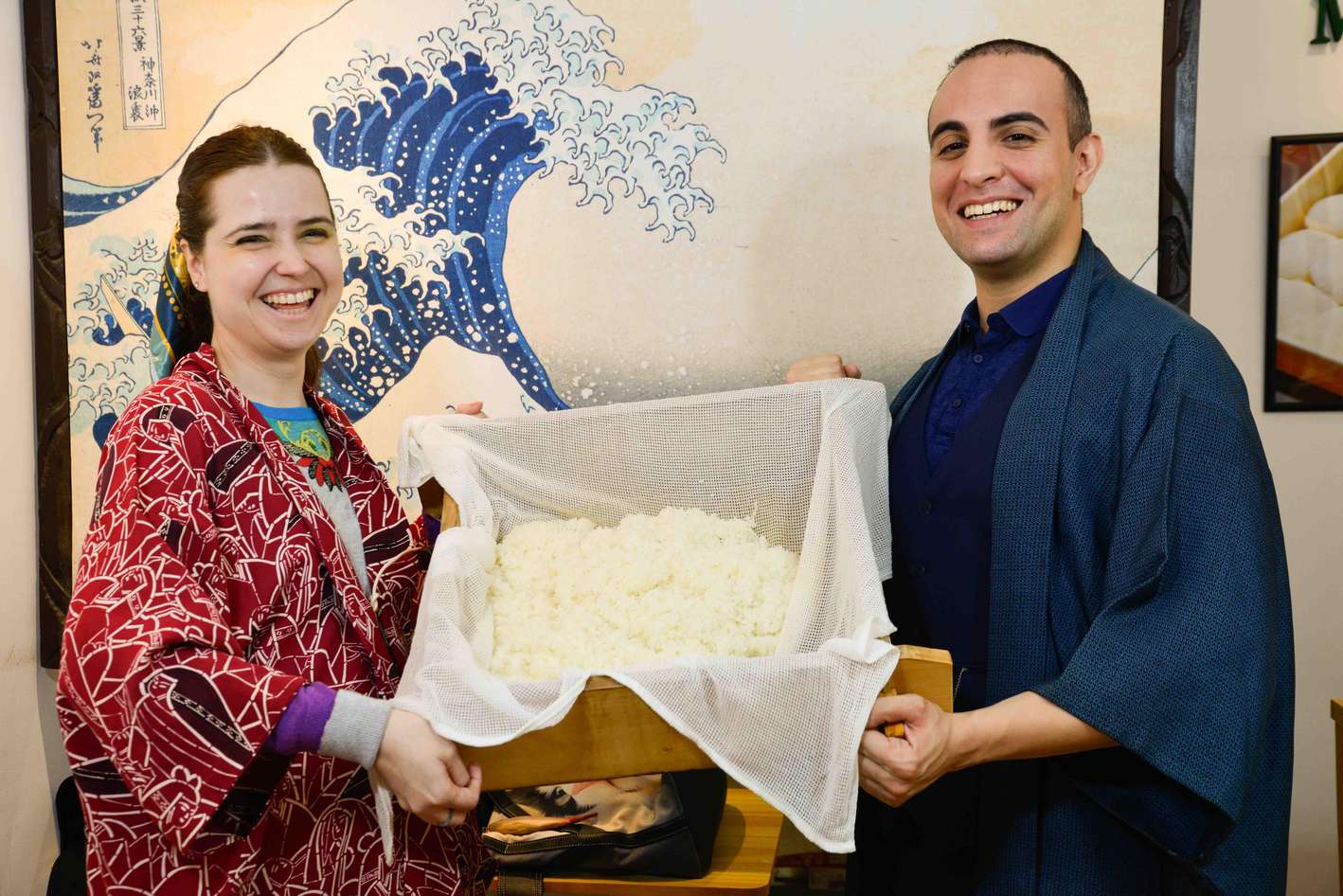
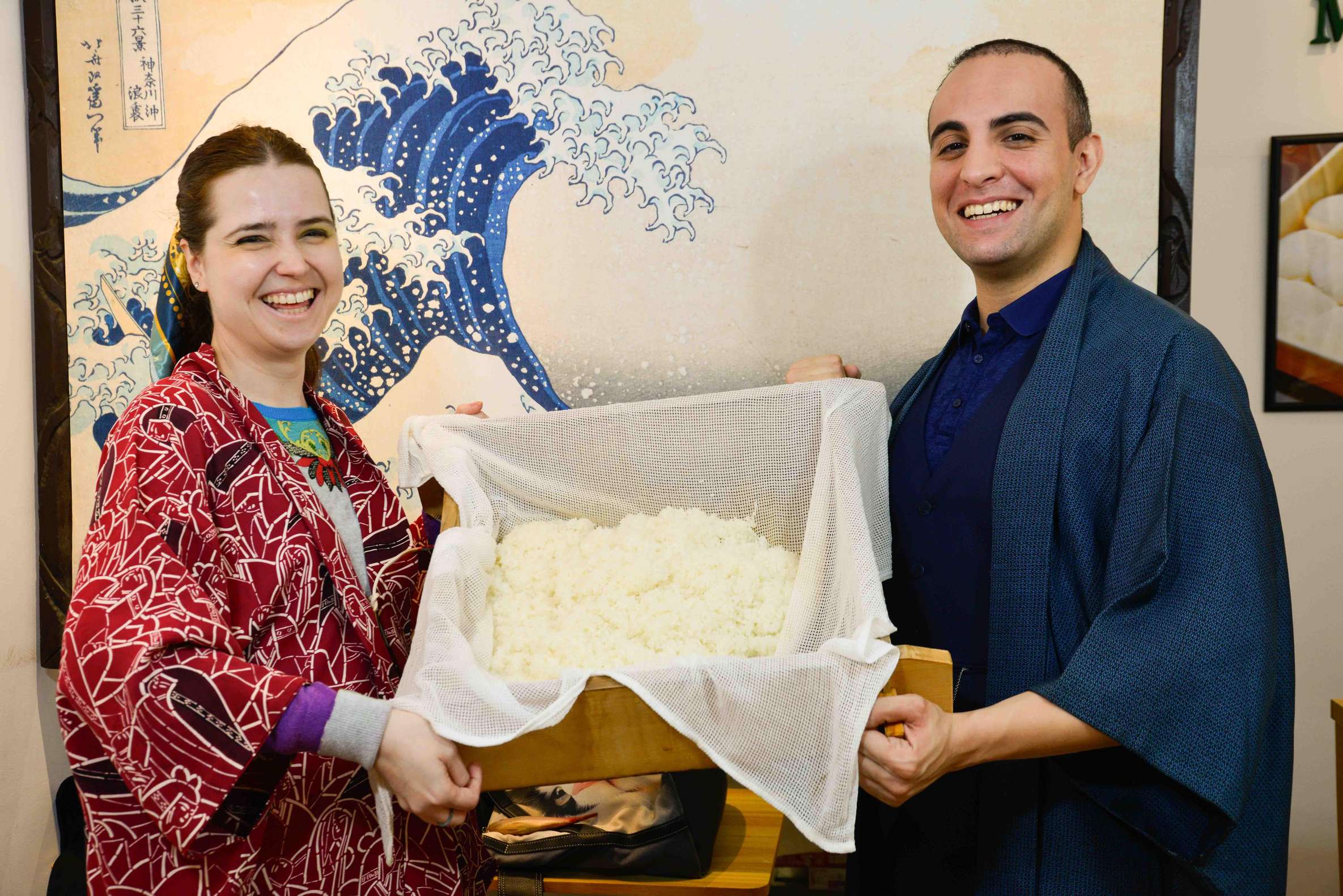
The hour at the Tokyo Asakusa: Mochi Pounding and Tasting Experience follows the traditional sequence, and you do every part of it. You start by kneading the steamed glutinous rice with your hands, feeling where the grains end and the dough begins. Then comes the mallet.
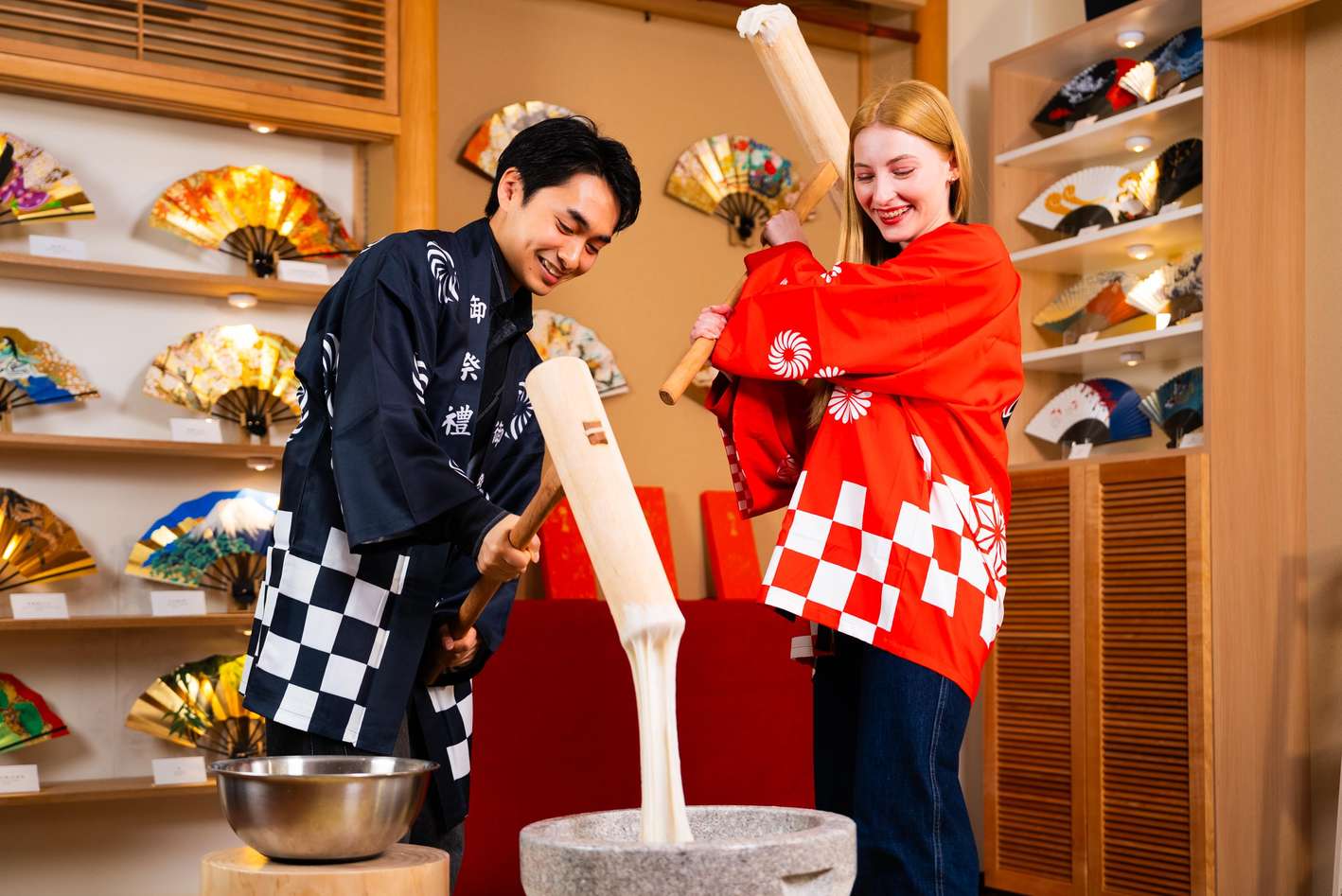
Before the pounding starts, your host teaches the calls. The pounder shouts yoisho on the strike; the turner answers hai when their hands are clear of the mortar.
Strike, pause, the turner reaches in with wet hands to fold the dough, strike again. That rhythm is what keeps the turner's hands safe, and you feel the point of it the first time you swing the kine.
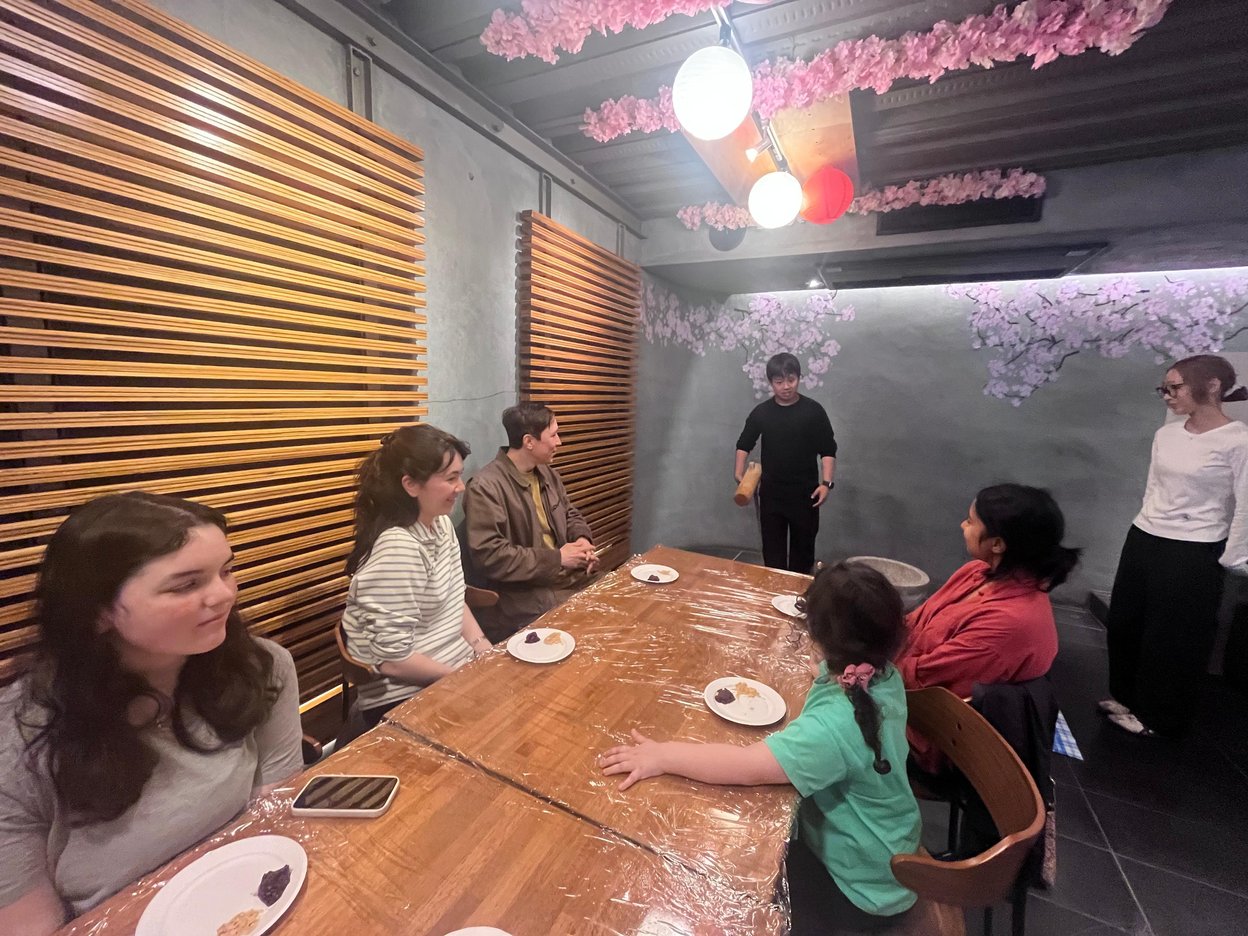
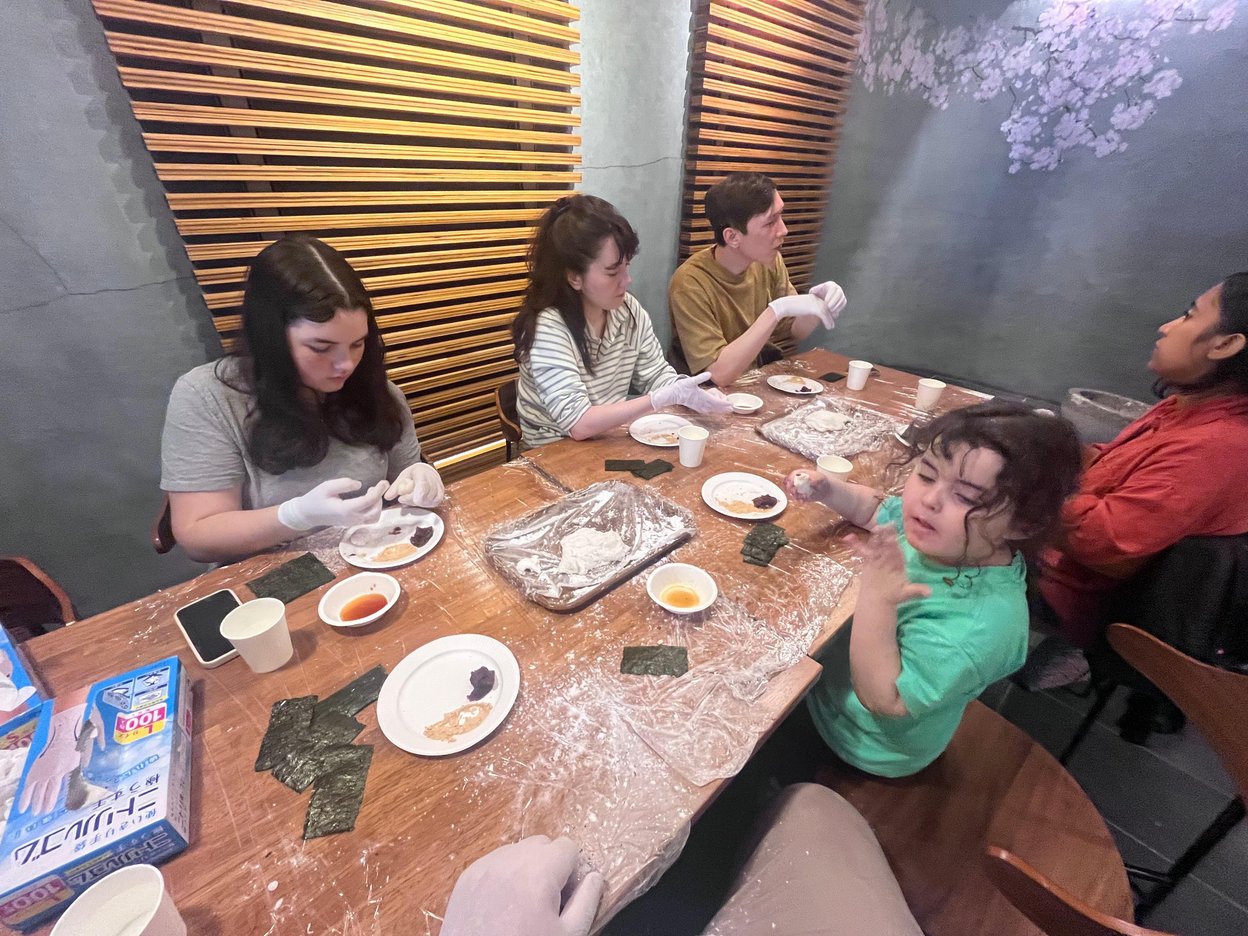
Cutting comes next, and it is yours alone: a pinch-and-twist motion, not a pull, so no fresh sticky surfaces form. Then you sit, taste warm mochi under ten different toppings, and finish with matcha upstairs.
Instructors explain every step in English, and the session is built for people who have never cooked Japanese food.
How the hour at the Asakusa studio unfolds
1
Arrival
Happi coat on, shoes off at the entrance, introduction to the tools
Come a few minutes early to settle in
2
Kneading
You work the steamed glutinous rice by hand before any pounding
This is where the texture first makes sense
3
The calls
Host teaches the yoisho and hai exchange between pounder and turner
The rhythm protects the turner's hands
4
Pounding
You swing the wooden kine into the stone usu, strike by strike
Keep the mallet flat so it lands inside the mortar
5
Shaping and tasting
Cut the warm mochi yourself, split it for eating now and souvenirs, then ten toppings and matcha
The generous part, so come hungry
One hour, one stone mortar, ten toppings: the session compresses the full mochitsuki sequence into a slot that fits any Tokyo morning.
Tour for this
Tokyo Asakusa: Mochi Pounding and Tasting Experience4.9★ (88) · 1 hour · Free cancellation
Yes, and the reason is the mochi itself. Freshly pounded mochi is soft, pliable and sticky while it is warm, with the natural sweetness of the rice showing.
Packaged daifuku from a shop chiller can never quite match it, because supermarket versions are made with a softer dough so they survive the shelf, and refrigeration turns fresh mochi firm and slightly dry within a night.
The classes know their audience. Instruction runs in English, the hands-on part is structured for beginners with no prior cooking experience, and in the Tokyo: Traditional Mochi Pounding Experience & Tasting the chef walks you from pounding through shaping and filling several types yourself, ending with green tea and your own creations.
Solo travelers join the same sessions as friends and families.
The class you get in Tokyo is also smaller than the demonstration you would get elsewhere: small groups mean the instructor has time to guide each person individually.
A traveler's note
Super nice employees who encouraged us to really get into the pounding. Tasted our mochi with various toppings and matcha tea. Bonus: an adorable LOVOT robot upstairs that interacts with you while you eat.
If kitchen confidence is the only thing holding you back, the classes are built to absorb it: the chef guides every hand, and nobody is expected to arrive with skill.
Pick mid-morning. The weekday subway crush runs from about 7:30 am to 9:30 am, and traveling after 9:30 am is noticeably calmer. A late-morning class leaves you time for a long sightseeing lunch nearby and an afternoon of temples or shopping before the evening crowds build again.
Book earlier than you think. The Asakusa studio wants reservations at least two days ahead, and observation-only entry is not an option at any price of effort: you either take part or you do not get in.
Demand rises around mochitsuki season, late December through early January, when the tradition is at its most visible and the New Year events appear across the city. Summer brings a second bump in interest. If your trip falls in that window, book as soon as your dates are fixed, before you arrive.
Mochitsuki interest through the year
August: mochitsuki reading interest 240 readers a month. Mochitsuki article readership is 240 readers; this does not show how busy the workshops are.
HighestAug240 readers a month
In betweenMar, Sep, Dec to Jan147 to 188 readers a month
LowestFeb, Apr to Jul, Oct to Nov90 to 134 readers a month
Darker: more mochitsuki reading interest, from 90 to 240 readers a month
Tap a month to read it.
The picture is clear: August and January are the peaks for mochitsuki interest, and November is the quietest month. A mid-morning class booked early beats any walk-up hope.
Getting to your making class in Tokyo - Asakusa and Shibuya
Both studios sit on subway lines, which is half the reason to book one. The Asakusa workshop is a five-minute walk from Asakusa Station on the Ginza Line, so you can pair it with the temple and the old sweet district in the same morning.
That district has form. Edo street craftsmen sculpted amezaiku candy in front of crowds, and watching the sweets being made was part of the treat. Modern Asakusa keeps the habit: you can try an amezaiku workshop led by a craftsperson, or make taiyaki, the fish-shaped filled griddle cakes, after your mochi session.
Shibuya puts you in the middle of everything, which makes the studio easy to reach and the surrounding streets the busiest of the two. The Asakusa option is the calmer walk and the deeper story.
How easy each studio is to reach
Asakusa studioA five-minute walk from Asakusa Station on the Ginza Line, with the temple and sweet shops next door
Easy
Shibuya studioCentral and well served by trains, but the crossing-area crowds slow the last stretch
Moderate
Walking between the twoThey sit on opposite sides of central Tokyo; take the train, about half an hour
No access
Whichever line you pick, leave the hotel with time to spare: the Ginza Line studio is the easy walk, and Shibuya's crowds reward an early start.
There is no dress code, but there is starch. Loose, washable clothes with sleeves that roll up, and flexible trousers for the wide pounding stance, are what work.
Flat, closed-toe slip-on shoes make the entrance simple, because indoor venues follow Japanese footwear etiquette and you take outdoor shoes off at the door. Clean, dark socks under them.
The studio hands you a happi coat, the short traditional jacket, to wear over your clothes, and hosts take photos of your group pounding and send them afterwards. Even with the coat on, fine potato starch and soybean flour drift onto sleeves and hems, so leave the dry-clean-only fabrics at the hotel.
Two things to know before you lift the mallet. Land it flat inside the mortar, never at an angle, so it does not chip the wooden rim and throw splinters.
And never reach into the mortar between strikes: the turner's job needs practice and trust, because a mistimed hand meets the mallet. In class, the host calls that part.
The warm mochi that comes off your mallet is the best thing you will eat all day, and it is also the stickiest.
Freshly pounded glutinous mochi is a severe choking hazard unless it is cut into small bites and eaten with tea. Every workshop enforces this, and hosts say it plainly: chew thoroughly, take small bites.
The mechanics matter less than the habit. Cut the pieces small, sip tea beforehand to moisten the throat, chew slowly and mix each mouthful well before swallowing. Sit still while you eat, no talking with a full mouth, and keep children seated and focused rather than wandering with a mouthful.
Children are welcome at the table and often join the pounding with smaller mallets, but the youngest guests need the pieces cut smallest, since cooler mochi hardens and becomes harder to chew. Grandparents should take the same care. The rule is one rule, and it is easy once the tea is poured.
The one thing that can spoil the day
Freshly pounded mochi is a severe choking hazard unless cut into small bites and eaten slowly with tea Cut the pieces small, sip tea before and while eating, chew thoroughly and stay seated while you eat
Keep the alert in mind and the tasting stays pure pleasure: small bites and hot tea are the whole rule.
The rice itself is on your side. Mochigome glutinous rice contains no wheat gluten at all; the word glutinous describes its glue-like stickiness, and its stretch comes from a starch profile of almost pure branched-chain amylopectin, not from the gluten protein.
Plain mochi and plain anko sweet red bean paste are therefore naturally gluten-free, which is why celiac travelers in Tokyo are generally offered them, with the usual caution about what else is in the room.
That room matters. In Shibuya, the Tokyo: Shibuya Vegan-Friendly Mochi Pounding Experience prepares its ingredients without wheat, dairy or eggs and serves a plant-based tasting set with wheat-free tamari, sweet anko and kinako.
But it runs in a shared kitchen, not a dedicated allergen-free facility: soy is present and sesame may be. If your allergy is severe, that is the detail that decides your booking.
Toppings hide the usual suspects: kinako carries soy, some carry peanut or almond. Travelers who check ingredients learn one word early: the Japanese for egg is tamago.
Tell your host about restrictions before the session, and they will tell you which pieces to skip.
Here is the arithmetic that decides your takeaway plans. Fresh mochi hardens within a few hours at room temperature as its starch recrystallizes, which is why anything you carry home must be eaten the same day.
Kept covered in an airtight container at room temperature, away from heat and direct sunlight, it stays soft for a few hours. Left out uncovered, it goes dry and tough.
The hotel fridge makes it worse, not better. Cold between about 2 and 5 degrees is exactly where rice starch hardens fastest, and a single night in the fridge strips the moistness out of fresh mochi. Leave it out past a day or two and mold moves in.
So plan the day around it. Buy the souvenir box at the Asakusa studio and eat it that evening, or plan for the tasting to be the generous part of the session, which it is: visitors say the spread of several pieces and ten toppings leaves nobody hungry.
The mochi you pound warm is the best version, and it does not keep.
Between strikes, the host tells you why any of this happens, and the story is worth hearing. Steaming the rice is the first lesson: boiled mochigome goes gummy on the outside before the inside cooks, while steam gelatinizes the grains gently and keeps them intact for pounding, which is where mochi's chew comes from.
The chant is the second. Yoisho and the turner's hai are not for show; the calls keep the pounder and the turner in time so the mallet never lands on a hand.
The rice itself is sacred ground. By the Heian period, aristocrats used mochi as food for the gods in Shinto rituals, because deities were believed to dwell in the rice.
Mochitsuki has marked New Year, marriage and childbirth for centuries, and each pounded grain is read as a stretched-out soul in a communal act of purification. In Edo, the pounding was a working trade: professional pounders went door to door in winter with portable stoves and steaming baskets.
What nobody tells you
The yoisho chant exists for safety
The call and answer between pounder and turner coordinates the timing, so hands are never in the mortar when the mallet falls
Steaming, not boiling, gives mochi its stretch
Gentle steaming keeps the grains whole, while boiling makes the outside gummy and ruins the pounding
Mochi was food for the gods
By the Heian period it was used as an offering in Shinto rituals, because deities were believed to live in the rice
The history is not decoration: it explains the chant, the steam and the mortar you just used, and it is what you retell at dinner.
Around your making class in Tokyo - what else to do
The class feeds you, and Tokyo has more mochi within an afternoon. In Asakusa, the Nakamise stalls sell daifuku filled with red bean paste, and one shop closes once the day's stock sells out, which tells you how fresh it is.
Elsewhere in the city, three famous houses reward a detour: a celebrated daifuku maker in Bunkyo-ku a minute from Gokokuji Station on the Yurakucho Line, a mame daifuku specialist in Aoyama five minutes from Gaienmae on the Ginza Line, and a warabi mochi master near Myogadani on the Marunouchi Line.
Watch the payment at the small shops: some of the best-known wagashi houses take cash only, no credit cards, no IC cards. Carry yen.
If you want variety without the shopkeeping, the basement food hall of a big department store gathers a wide choice of Japanese sweets in one pass, including sealed warabi mochi that can travel if you check the date. Expect choice rather than scarcity; the shelves move fast because everything on them was made that morning.
A mochi making class in Tokyo is one of the most physical hours you can spend sightseeing, and it ends with warm mochi under ten toppings.
Go for the Asakusa ritual if you want the tradition, the chef's class for variety, Shibuya if you eat plant-based. Book at least two days out, arrive early, and cut your mochi small.
Go ifYou want to swing the mallet yourself, and watching is not enoughYour trip falls outside the late December to early January rush, or you can book well aheadYou are happy to remove your shoes, wear a happi coat and get starch on your sleeves
Skip ifYou have a severe soy or sesame allergy that a shared kitchen cannot manageYou are pregnant or have a back or heart condition; one of the three classes lists these as not suitableYou hoped for a walk-up street spectacle; that is Nara, and Tokyo's sessions are booked
Our pick to book
Tokyo Asakusa: Mochi Pounding and Tasting Experience4.9★ (88) · 1 hour · Free cancellation
Quick answers on booking, language, safety and what a Tokyo workshop actually involves.
Tokyo2026
Ten minutes with the mallet and the rice stops being rice. Book ahead, since studios here do not take walk-ins.
Can I do a real mochi making class in Tokyo, or do I need to go to Kyoto or Nara?
You can do the full thing in Tokyo. A workshop in Asakusa takes you through kneading steamed rice, pounding with a wooden mallet and mortar, then cutting and shaping the mochi yourself. What Tokyo lacks is a permanent street-front pounding show like the one in Nara, so book a class in advance.
Which Tokyo neighborhoods have mochi pounding workshops?
Hands-on classes run in Asakusa and Shibuya. The Asakusa venue sits a five-minute walk from Asakusa Station on the Ginza Line, so you can slot a session into a morning of temple sightseeing. Seasonal demonstrations also pop up at places like Zojoji Temple during Setsubun and the Tokyo Tower sumo performances.
Is a Tokyo mochi making class suitable if I speak only English?
Yes. Every Tokyo class on this page runs with English instruction or an English-speaking host, and the steps are explained for beginners with no cooking experience. You will not need any Japanese cooking terms to follow along.
Can I watch instead of pounding? Is observation-only entry allowed?
At most Tokyo studios, no. The Asakusa pounding-and-tasting experience requires every guest to book as a participant, because watching only is not permitted for hygiene reasons. If someone in your group wants to just watch, a temple or hotel demonstration in January is a better bet.
How long does a mochi making workshop in Tokyo take?
Plan on about an hour from getting started through pounding, shaping and tasting the result. That leaves room for a late-morning lunch nearby and afternoon sightseeing before the evening subway crowds build.
Do Tokyo mochi workshops cover steaming the rice, or does it come pre-made?
Instructors start you with rice that is already steamed. At the Asakusa studio you knead the hot glutinous rice by hand or with the mallet before the real pounding begins, which is the messiest and most satisfying part of the traditional process.
Are Tokyo mochi making classes safe for pregnant travelers?
One Tokyo pounding class is not suitable for pregnant women, so read the class notes before booking. Plain rice mochi itself is fine during pregnancy; the care is with fillings, so avoid anything with raw egg or unpasteurized dairy and stick to sweet red bean or sesame paste.
Is there a vegan-friendly mochi making class in Tokyo?
Yes. A Shibuya workshop runs a 60-minute pounding session in English with a plant-based tasting set: kinako roasted soybean flour, sweet anko, grated daikon and wheat-free tamari instead of ordinary soy sauce. It contains soy, and sesame may be present since the kitchen is shared.
What toppings come with freshly pounded mochi in Tokyo classes?
Plenty, both sweet and savory. The Asakusa experience serves ten flavors, from kinako and green tea to black sugar syrup, grated radish and spicy pollack roe mayonnaise. Other tastings pair kinako and anko with matcha tea.
Can solo travelers join, or do I need to book as a pair?
Solo travelers are welcome. The Asakusa pounding-and-tasting experience is offered as a private tour, and in shared studios each group gets its own mortar, mallet and rice, with no ingredients or tools passed between groups.
What is the dangerous part of mochi pounding I should know about?
Never reach into the mortar while the mallet is moving. The person who turns the rice by hand between strikes works to a shouted rhythm, calling and answering before each blow, and mistiming it can badly hurt hands. As a beginner, stick to pounding and let your instructor handle the turning.
Can I take photos during the class?
Yes, bring your phone. Happi coats are provided for photos, and hosts are usually happy to take pictures of your group mid-pounding and send them after the session.